A squeaky bike chain is almost always the result of inadequate lubrication, dirt buildup, or a combination of both. The fix is straightforward: clean the chain thoroughly with a degreaser, let it dry completely, then apply bike-specific lubricant one drop at a time to each link while pedaling backward by hand. Wipe off the excess with a clean rag, and in most cases, the squeak will be gone within ten minutes. This simple maintenance task requires no special mechanical knowledge and can be done in your garage, driveway, or apartment balcony.
Consider a typical scenario: you pull your bike out for a Saturday morning ride, and every pedal stroke produces an annoying chirp that makes you cringe. That noise is the sound of metal grinding against metal without proper lubrication””the chain rollers are binding as they pass over the cassette teeth. Left unaddressed, this friction accelerates wear on your drivetrain components, potentially turning a quick maintenance task into an expensive repair. This article covers the specific steps to silence that squeak, explains why chains make noise in the first place, and helps you understand when cleaning and lubing will solve the problem versus when you need to replace the chain entirely. You’ll also learn how often to perform this maintenance and what to do if you’re caught without proper supplies.
Table of Contents
- What Causes a Bike Chain to Squeak and How Can You Fix It Fast?
- Step-by-Step Chain Cleaning for Quiet, Smooth Pedaling
- Choosing Between Wet and Dry Chain Lubricants
- When Cleaning and Lubrication Won’t Solve the Squeak
- Maintenance Schedules That Prevent Squeaky Chains
- Building Chain Maintenance Into Your Cycling Routine
- Conclusion
What Causes a Bike Chain to Squeak and How Can You Fix It Fast?
The primary culprits behind a squeaky chain are dryness, dirt accumulation, and rust. When lubricant evaporates or gets washed away, the metal-on-metal contact between chain rollers and pins creates that characteristic high-pitched noise. Dirt and grime compound the problem by acting as an abrasive paste that grinds away at the chain’s internal components. Environmental factors matter too””riding through rain, puddles, or dusty trails strips lubrication faster than casual neighborhood rides on dry pavement. Misalignment can also cause chain noise, though this produces more of a grinding or clicking sound than a true squeak.
If your chain is rubbing against the front derailleur cage or making noise only in certain gears, the issue might be cable tension or limit screw adjustment rather than lubrication. However, the vast majority of squeaking chains simply need cleaning and fresh lube. The fastest fix when you’re short on time involves wiping the chain down with a clean rag to remove surface grime, then applying lubricant directly. This approach works as a temporary measure, but for a lasting solution, you’ll want to do a proper cleaning first. Think of it like washing your hands before applying lotion””the lotion works better on clean skin.

Step-by-Step Chain Cleaning for Quiet, Smooth Pedaling
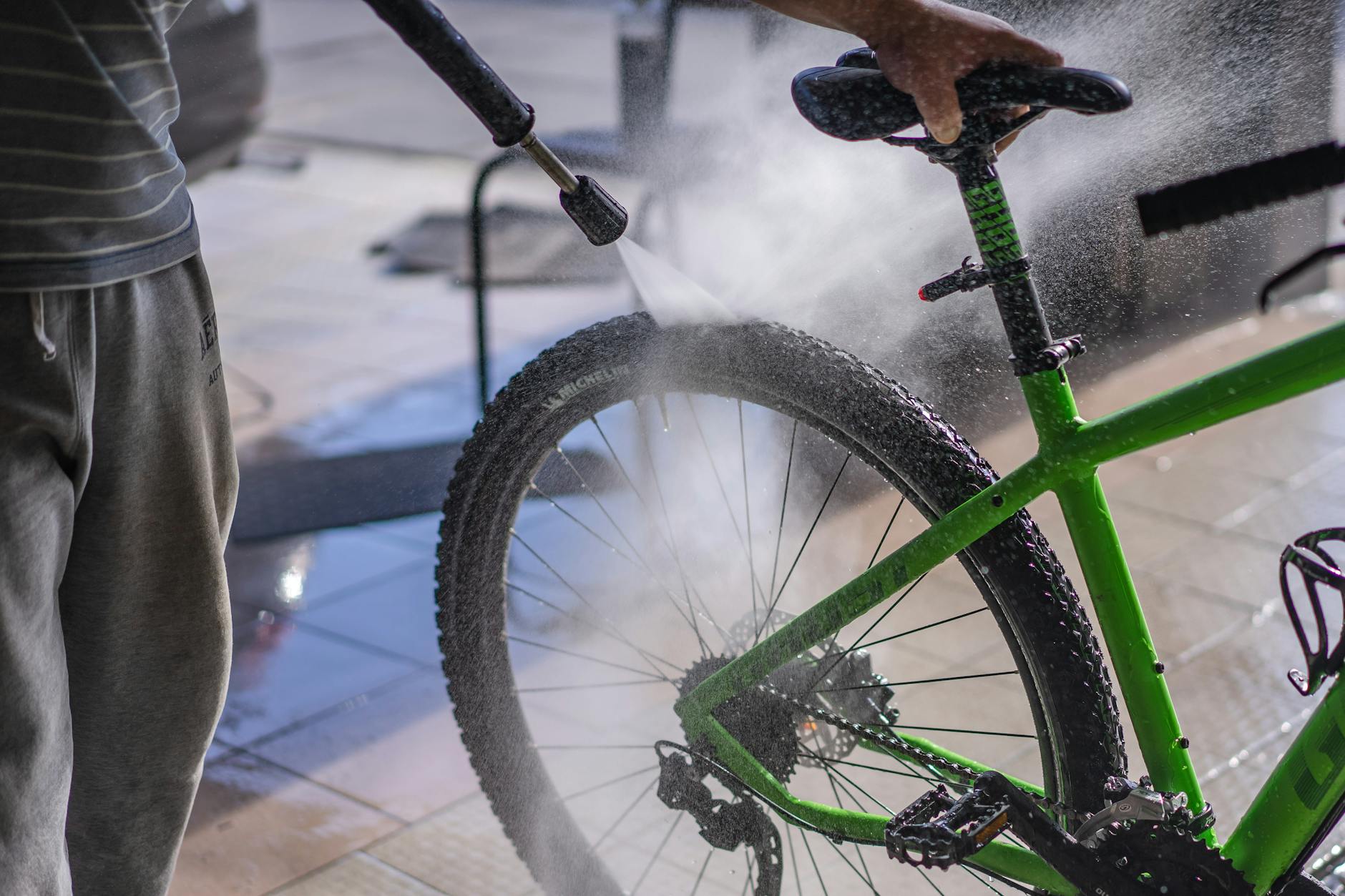
Proper chain cleaning starts with a degreaser and either a stiff brush or a dedicated chain-cleaning tool. Position your bike in a repair stand if you have one, or lean it against a wall with the drivetrain facing outward for easy access. Apply degreaser liberally to the chain while slowly pedaling backward, letting the solvent penetrate the rollers and dissolve the accumulated gunk. A chain-cleaning tool””those plastic devices that clamp around the chain and contain internal brushes””makes this process cleaner and more efficient, though a parts brush works fine. After scrubbing, rinse the chain with water to remove the degreaser and dissolved grime. This step is important: leftover degreaser can break down fresh lubricant before it has a chance to do its job. Once rinsed, dry the chain completely with a clean rag. Any remaining moisture will prevent the lubricant from adhering properly and can promote rust formation. Some cyclists use compressed air or a hair dryer to speed up drying, but wiping thoroughly and waiting a few minutes works just as well. Here’s a limitation worth noting: if your chain has been neglected for months or ridden extensively in wet conditions without maintenance, a single cleaning might not fully restore it. Rust and grime can work their way deep into the roller pins, creating stiff links that won’t flex properly. You can identify stiff links by running the chain through your hand and watching for any that don’t bend smoothly. A few stiff links might loosen up with repeated cleaning and lubrication, but widespread stiffness indicates a chain that needs replacement.
## How to Lubricate Your Bike Chain the Right Way With a clean, dry chain, lubrication becomes effective rather than futile. The technique matters: drip one drop of lubricant onto each chain link while slowly pedaling backward by hand. Aim for the rollers””the cylindrical parts that contact the cassette and chainring teeth””rather than the outer side plates. The lubricant needs to penetrate into the rollers where the actual friction occurs, not just coat the exterior surfaces. Continue pedaling backward for thirty seconds or so after applying lube to work it into the chain’s internal components. Then grab a clean rag and wipe off all the excess lubricant from the chain’s exterior. This step seems counterintuitive to many new cyclists””why remove the lube you just applied? The answer is that lubricant on the outside of the chain serves no purpose except to attract dirt. The interior of the rollers retains the lubrication where it’s needed, while excess on the surface just creates a sticky mess that accelerates grime buildup. A specific example illustrates the importance of proper technique: imagine two cyclists who both lubricate their chains weekly. The first drips lube across the chain haphazardly and never wipes off the excess. Within a month, their chain is coated in black grime and squeaking again. The second cyclist applies lube drop by drop, works it in, and wipes the chain nearly dry afterward. Their chain stays cleaner longer and runs quietly for weeks. Same product, same frequency, dramatically different results based solely on application technique.
Choosing Between Wet and Dry Chain Lubricants
Bike-specific chain lubricants fall into two main categories: wet lubes and dry lubes. Wet lubes are thicker and more resistant to washing away, making them ideal for rainy conditions or winter riding. However, their stickiness attracts more dirt and requires more frequent cleaning. Dry lubes go on wet but evaporate to leave a waxy or Teflon-based coating that resists dirt accumulation, though they wash away more easily in rain. The tradeoff comes down to your typical riding conditions. A commuter in Seattle dealing with frequent rain will get better longevity from a wet lube despite the extra cleaning required.
A fair-weather recreational rider in Arizona will find dry lube keeps the chain cleaner with less maintenance. Many serious cyclists keep both types on hand and switch seasonally or based on weather forecasts for upcoming rides. Household oils””like 3-in-1 oil or sewing machine oil””can work in an emergency but aren’t recommended for regular use. These products lack the additives that help bike-specific lubes penetrate chain rollers and resist fling-off during riding. They also tend to attract dirt more aggressively than purpose-made chain lubes. In a pinch, household oil will quiet a squeaky chain and provide some protection, but replace it with proper lubricant as soon as possible.

When Cleaning and Lubrication Won’t Solve the Squeak
Sometimes a squeaky chain signals problems that basic maintenance can’t fix. Severely rusted chains, where orange corrosion has penetrated the rollers and created visible pitting, should be replaced rather than salvaged. The structural integrity of a badly rusted chain is compromised, and the rough surfaces will rapidly wear down your cassette and chainrings even if you manage to quiet the noise temporarily. Chains with multiple stiff links fall into the same category. While a single stiff link can sometimes be freed by flexing it laterally while applying lubricant, widespread stiffness indicates internal damage or contamination beyond what cleaning can address.
You might also notice the chain skipping over cassette teeth during hard pedaling””this often indicates chain stretch (actually elongation due to pin and roller wear) that has exceeded the acceptable limit. A chain wear indicator tool, available for under ten dollars at most bike shops, can confirm whether your chain has stretched beyond the point of no return. The warning here is straightforward: continuing to ride on a worn-out chain doesn’t just create annoying noise, it actively damages other drivetrain components. A stretched chain wears cassette and chainring teeth into a profile that only matches that specific worn chain. Replace the chain early, and your cassette might last through two or three chain replacements. Wait too long, and you’ll need to replace the chain, cassette, and possibly chainrings all at once.
Maintenance Schedules That Prevent Squeaky Chains
Under normal riding conditions””dry roads, moderate temperatures, and recreational use””cleaning and lubricating your chain every two to four weeks keeps it running quietly and extends its lifespan significantly. This schedule provides enough fresh lubricant to prevent dryness while avoiding the over-lubrication that attracts excessive dirt. For most cyclists, tying chain maintenance to another regular habit works well: every other time you wash your bike, or the first weekend of each month.
Wet and muddy conditions demand more frequent attention. A mountain biker who rides through streams and mud every weekend might need to clean and lube after every ride. Winter commuters dealing with road salt and slush face similar challenges””the corrosive combination of salt and moisture attacks chains aggressively. In these conditions, a post-ride wipe-down with a rag and quick re-lubrication can extend the interval between full cleanings.
Building Chain Maintenance Into Your Cycling Routine
The cyclists who never deal with squeaky chains aren’t doing anything complicated””they’ve simply made maintenance a habit rather than a reaction to problems. A basic chain maintenance kit kept near your bike makes the process easier: a bottle of degreaser, your preferred chain lube, a few clean rags, and either a brush or chain-cleaning tool. Total cost is typically under thirty dollars, and the supplies last for many months of regular use.
Consider the example of a bike commuter who rides fifteen miles each way, five days a week. By spending ten minutes every other Sunday wiping down and lubricating their chain, they keep their drivetrain quiet and extend the chain’s life from perhaps 1,500 miles to 3,000 or more. The time investment pays dividends in both ride quality and reduced component costs over time.
Conclusion
Fixing a squeaky bike chain comes down to a simple process: clean off the accumulated grime with degreaser, dry the chain thoroughly, apply lubricant drop by drop to each link, work it in by pedaling backward, then wipe off the excess. This maintenance task takes ten to fifteen minutes and requires no special mechanical skills. The squeak itself is just a symptom””metal grinding against metal without adequate lubrication””and addressing the underlying cause silences the noise while preventing accelerated wear on expensive drivetrain components.
Make chain maintenance a regular habit rather than waiting for squeaks to develop. Every two to four weeks for normal riding conditions, more frequently if you’re dealing with wet or dirty trails. Know the warning signs that indicate replacement rather than maintenance: severe rust, multiple stiff links, or chain stretch that causes gear skipping. With consistent attention, your chain will run quietly and last significantly longer, making every ride more pleasant and every dollar spent on components go further.


