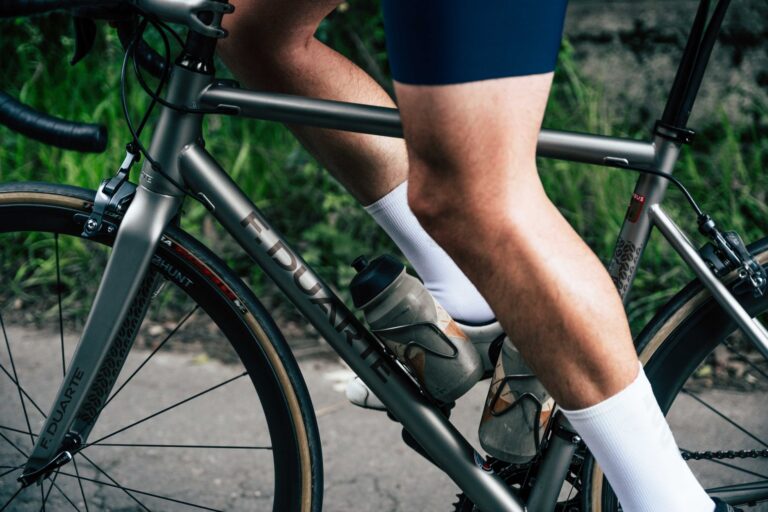
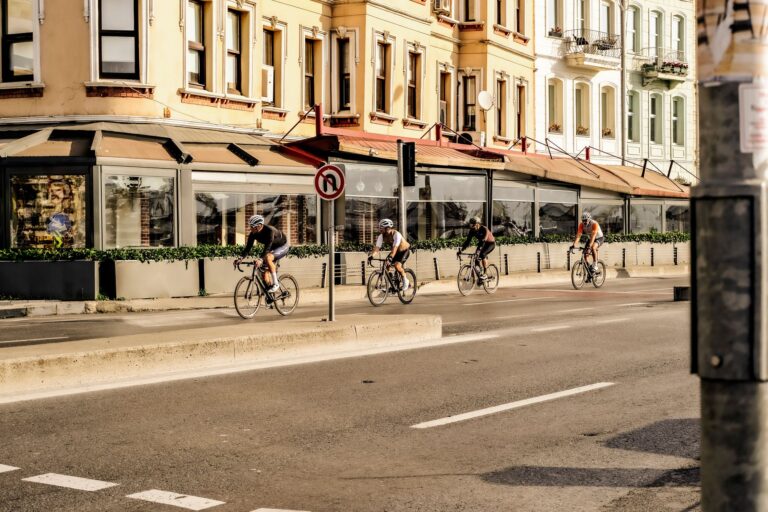
Combining bike commuting with bus or train travel comes down to three core strategies: bringing your bike aboard the transit vehicle, parking it securely at the station, or using bike-share systems at one or both ends of your trip. The best approach depends on your local transit system’s policies, the distance of your “last mile” connections, and how much flexibility you need throughout the day. For example, a commuter traveling from a suburban home to a downtown office might ride three miles to a train station, store the bike in a secure locker, take a 45-minute train ride, then walk or use a shared bike for the final stretch””eliminating the need to navigate rush-hour traffic or pay for urban parking.
This multimodal approach has grown steadily over the past two decades as transit agencies have expanded bike-friendly infrastructure and cities have invested in protected cycling lanes. What once required creative workarounds””folding bikes stuffed under seats, negotiations with bus drivers””has become a legitimate transportation strategy with dedicated bike cars, front-mounted bus racks, and purpose-built storage facilities at transit hubs. This article covers the practical details of making bike-transit combinations work: understanding agency policies, choosing the right bike setup, navigating peak-hour restrictions, and troubleshooting common problems. Whether you’re trying to shorten a long suburban commute or reduce your carbon footprint without sacrificing convenience, the following sections will help you build a reliable multimodal routine.
Table of Contents
- What Are the Best Ways to Combine Bike Commuting With Bus or Train Travel?
- Understanding Transit Agency Bike Policies Before You Commit
- Choosing the Right Bike for Multimodal Commuting
- Securing Your Bike at Transit Stations
- Navigating Peak-Hour Restrictions and Crowded Vehicles
- Making Bike-Share Systems Work for Your Commute
- Planning for Weather, Breakdowns, and Irregular Days
- The Future of Bike-Transit Integration
- Conclusion
What Are the Best Ways to Combine Bike Commuting With Bus or Train Travel?
The most reliable method is the “bike-to-transit” approach, where you cycle to a station and leave your bike there while completing your journey by bus or train. This avoids the complications of bringing a bike aboard crowded vehicles and gives you consistent, predictable timing. Most major transit stations now offer some form of bike parking, ranging from simple racks to enclosed cages requiring membership to fully automated storage systems in cities like Tokyo and select European capitals. Bringing your bike aboard works better for off-peak travel or when your destination requires cycling on both ends.
Commuter rail systems generally accommodate bikes more easily than urban metro lines, often designating specific cars or areas for cyclists. Buses equipped with front-mounted racks””standard in most North American cities””typically hold two or three bikes, though availability is first-come, first-served and can be unreliable during busy periods. A third option involves using bike-share systems strategically. If your home end has safe cycling infrastructure but your destination doesn’t, you might own a bike for the first leg and grab a shared bike (or e-bike) for the last mile after exiting the train. This hybrid approach has become more practical as bike-share networks have expanded beyond downtown cores into surrounding neighborhoods, though coverage remains uneven and system reliability varies significantly by city.
Understanding Transit Agency Bike Policies Before You Commit
Before building your commute around a bike-transit combination, research your specific transit agencies’ rules thoroughly””policies vary dramatically and can change with little notice. Some systems prohibit bikes entirely during peak hours, others require permits, and a few have blackout periods during major events. For instance, many urban metro systems that technically allow bikes will ban them during morning and evening rush periods, effectively making the strategy unworkable for standard 9-to-5 commuters. The details matter more than the headline policy. A transit system might advertise itself as “bike-friendly” while limiting cyclists to specific cars that fill quickly, enforcing size restrictions that exclude mountain bikes or cargo bikes, or requiring folding bikes to be bagged.
Some agencies count bikes against passenger capacity, meaning you could be denied boarding on a crowded train even if you’ve followed every rule. Calling customer service or checking the website isn’t always enough; consider doing a trial run on your intended route during your actual commute times before committing to this approach. However, if your schedule allows flexibility, the picture improves considerably. Off-peak travel””before 7 a.m., after 9 a.m., between 10 a.m. and 3 p.m., or after 7 p.m.””typically comes with relaxed restrictions and emptier vehicles. Some commuters negotiate adjusted work hours specifically to take advantage of these windows, trading a slightly earlier start time for a dramatically more pleasant combined commute.
Choosing the Right Bike for Multimodal Commuting
Your bike choice significantly affects how smoothly multimodal commuting works in practice. Folding bikes offer the most flexibility, bypassing most transit restrictions since they’re typically classified as luggage when collapsed. A quality folding bike from manufacturers like Brompton, Dahon, or Tern can fold in under 30 seconds and fits under a seat or between your legs, making you essentially invisible to enforcement and independent of bike-rack availability. The tradeoff is cost””decent folding bikes start around several hundred dollars and quality models run considerably higher””plus the compromise in ride quality compared to full-sized bikes. Standard commuter bikes work well for the bike-to-transit approach but create complications when you need to bring them aboard.
A lightweight single-speed or simple geared bike in the 20-25 pound range is easier to maneuver up stairs, through turnstiles, and into crowded cars than a 35-pound hybrid loaded with accessories. If you’re regularly lifting your bike over obstacles or carrying it up station stairs, every pound matters. For example, a cyclist combining bus travel with a hilly final mile might find that an affordable folding bike struggles on the inclines, while their preferred road bike exceeds the bus rack’s weight limit or doesn’t fit properly. The solution might involve keeping a second bike at work, using a folding e-bike despite the higher cost, or restructuring the route entirely. There’s rarely a single bike that optimizes for every aspect of multimodal commuting””expect compromises.
Securing Your Bike at Transit Stations
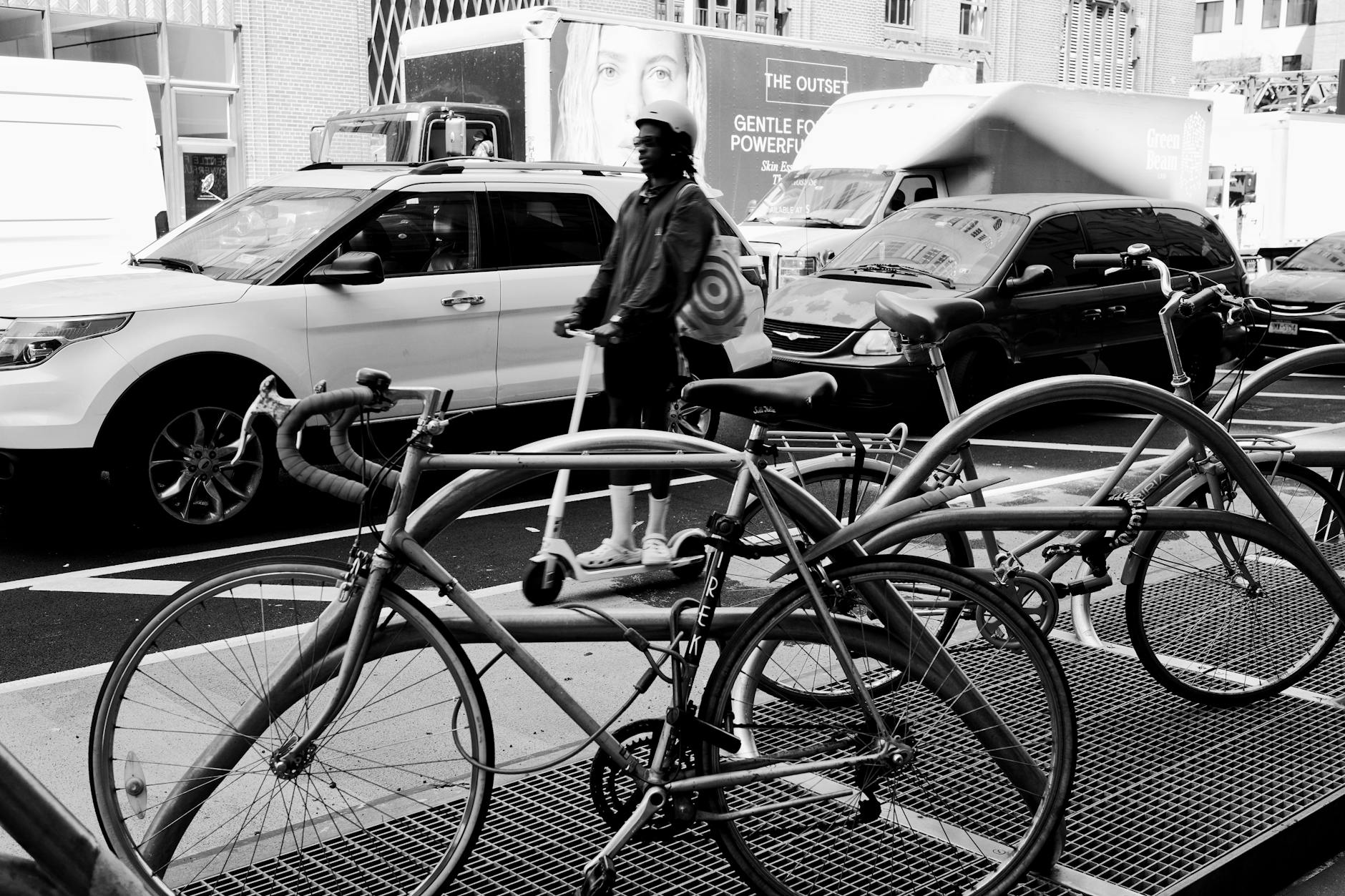
Bike parking at transit stations ranges from completely inadequate to genuinely excellent, with most falling somewhere in between. Standard outdoor racks””the most common offering””provide minimal security and expose your bike to weather, making them suitable only for beater bikes you can afford to lose or for short parking durations. Higher-security options include enclosed bike cages (often requiring membership and a monthly fee), staffed bike stations in major urban hubs, and personal lockers that you rent individually. The security-convenience tradeoff is real. Bike lockers offer the best protection but typically require advance reservation, annual fees, and commitment to a specific station.
Bike cages provide good security with more flexibility but may have waitlists in popular locations””some urban transit systems report wait times of months or even years for cage access at high-demand stations. Automated bike parking systems, while growing in popularity internationally, remain rare in North America. A practical comparison: parking a $1,500 commuter bike at an open rack near a suburban train station might result in theft or vandalism within weeks, making the $100-200 annual locker rental an obvious investment. But parking a $200 used bike at the same rack, secured with a quality U-lock, might prove perfectly adequate for years. Your bike’s value, your station’s theft statistics, and your risk tolerance should guide the decision. Some commuters deliberately ride inexpensive bikes specifically to reduce the stakes of station parking.
Navigating Peak-Hour Restrictions and Crowded Vehicles
Peak-hour bike restrictions exist because transit systems genuinely cannot accommodate bicycles when vehicles are packed with standing passengers””this isn’t bureaucratic hostility but physical reality. A single bicycle takes up the space of several standing passengers during the hours when systems are already over capacity. Understanding this helps you work with the constraints rather than fighting them. The workarounds depend on your flexibility. Adjusting your schedule by even 30 minutes can move you from a blackout period into permitted travel time. Some systems allow folding bikes at all hours, making them the only option for rigid 9-to-5 schedules.
Others offer bike permits that grant priority boarding during restricted hours, though these typically have quotas and waiting lists. If your employer offers flexible hours or remote work options, negotiating a schedule that avoids peak transit can solve the problem entirely. However, even during permitted hours, crowded vehicles create practical problems. You might technically be allowed to board with your bike at 9:15 a.m. but find every train already full enough that adding a bicycle would be unreasonable or genuinely impossible. Having a backup plan””knowing the next station with better capacity, carrying a lock for emergency bike parking, or having a bike-share membership as an alternative””prevents a single crowded train from derailing your entire commute.
Making Bike-Share Systems Work for Your Commute
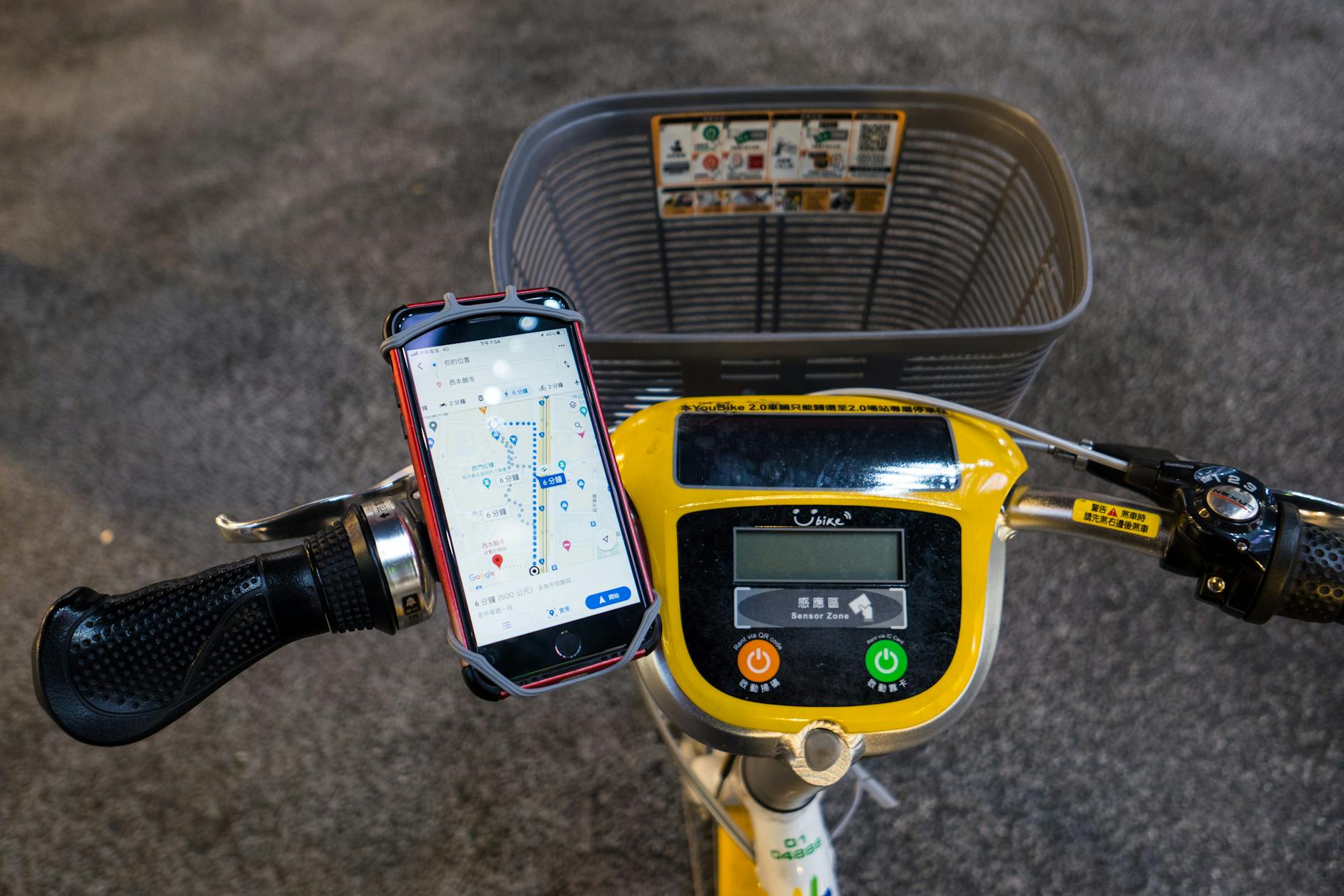
Bike-share systems can elegantly solve the bike-security problem by eliminating the need to bring or store your own bike, but they come with their own reliability concerns. The core appeal is flexibility: dock a shared bike at a station near home, take the train downtown, grab another shared bike for the final mile to your office. No worries about theft, maintenance, or navigating your bike through crowded stations. The limitations become apparent during actual use. Docking stations near transit hubs are often empty during morning commutes and full when you need to return a bike in the evening””exactly the wrong pattern for commuters.
Some systems now offer “valet” service at high-demand stations or provide real-time availability apps, but these solutions are inconsistent. Dockless systems partially address this by allowing free-floating bikes, though these create their own problems with availability and often face regulatory pushback. For example, a commuter might find bike-share works perfectly for the home-to-station leg in a residential neighborhood where bikes sit unused, then fails repeatedly for the station-to-office leg downtown where every bike is taken by 8 a.m. The opposite commuter, traveling from a dense urban core to a suburban office park, might encounter the reverse problem. Testing your specific route for several days before committing to this approach reveals patterns that website maps and availability apps don’t capture.
Planning for Weather, Breakdowns, and Irregular Days
Multimodal commutes have more failure points than single-mode trips, and bad weather amplifies every one of them. Rain makes cycling unpleasant, increases bike-rack drop and pickup difficulties, and often drives more people onto transit, making vehicles more crowded and bike restrictions more likely to be enforced. Having a clear bad-weather protocol””whether that’s driving, taking a ride-share, using transit for the full route, or simply accepting a wet ride””prevents morning decision paralysis. Mechanical problems require backup planning since you can’t simply call a tow truck for a flat tire at 7 a.m. when you need to catch a train.
Carrying basic tools, knowing where bike shops exist along your route, and understanding how to quickly switch to an all-transit backup makes breakdowns inconvenient rather than catastrophic. Some experienced multimodal commuters keep a spare folding bike at work or maintain memberships in multiple bike-share systems specifically to handle these situations. Irregular days””late meetings, after-work social events, heavy grocery shopping””complicate the carefully tuned routine of a multimodal commute. The flexibility penalty is real: someone who drives can easily stop for errands, while a cyclist-transit commuter faces a more constrained set of options. Building flexibility into your system, whether through a folding bike that goes everywhere or a car kept available for unusual days, keeps the multimodal approach sustainable over months and years.
The Future of Bike-Transit Integration
Transit agencies and urban planners increasingly recognize bike-transit integration as essential infrastructure rather than a niche accommodation. Recent years have seen expanded bike parking at stations, dedicated bike cars on new rail systems, and policy changes that relax historic restrictions.
The growth of e-bikes has accelerated this trend by making longer cycling distances practical, effectively expanding the catchment area of every transit station. Whether this momentum continues depends on factors beyond individual cyclists’ control: funding decisions, political priorities, and competition from emerging alternatives like e-scooter shares and autonomous vehicles. The most resilient approach involves remaining adaptable””staying informed about your transit system’s evolving policies, being willing to adjust equipment and routes as conditions change, and recognizing that the optimal multimodal strategy in any given city is a moving target rather than a solved problem.
Conclusion
Successful bike-transit integration requires matching your approach to local conditions: understanding specific agency policies, choosing appropriate equipment, and building in flexibility for the inevitable complications. The core options””bringing your bike aboard, parking at the station, or using shared bikes””each carry distinct tradeoffs in security, reliability, and convenience that depend on your particular route, schedule, and risk tolerance.
Start with research and experimentation before committing to equipment purchases or schedule changes. Ride your intended route during actual commute hours, test the bike parking or vehicle boarding you’re planning to use, and identify the failure points before they become daily frustrations. Multimodal commuting works well for many cyclists, but it works best when you’ve thought through the details rather than discovered them through unpleasant surprise.