The essential gear for bike commuting in all weather conditions centers on three core categories: waterproof layering systems, visibility equipment, and temperature-regulating accessories. A reliable rain jacket with sealed seams, front and rear lights rated for daytime visibility, and moisture-wicking base layers form the foundation that allows year-round commuters to ride comfortably whether facing morning fog, afternoon downpours, or winter cold. A commuter in Portland or Seattle, where rain is a near-daily reality for much of the year, typically builds their kit around a breathable hardshell jacket, waterproof panniers, and fenders””items that transform a miserable slog into a manageable ride.
Beyond these basics, successful all-weather commuting requires understanding how gear choices interact with your specific climate, commute distance, and workplace facilities. Someone riding five miles to an office with showers has different needs than someone covering fifteen miles to a job site with no changing room. This article covers the specific gear categories that matter most, from rain protection and cold-weather layering to summer heat management and the often-overlooked accessories that prevent small problems from becoming ride-ruining disasters. We will also examine the tradeoffs between different gear philosophies and the limitations of various approaches.
Table of Contents
- What Core Gear Do Bike Commuters Need for Wet Weather Conditions?
- Layering Systems for Cold Weather Bike Commuting
- Managing Heat and Sun During Summer Commutes
- Essential Visibility and Lighting Equipment
- Protecting Extremities in Challenging Conditions
- Storage Solutions for All-Weather Commuting
- Maintenance Gear for Wet and Extreme Conditions
- Conclusion
What Core Gear Do Bike Commuters Need for Wet Weather Conditions?
Rain protection for cycling differs significantly from hiking or general outdoor rain gear because of the unique demands cycling places on the body. A cyclist generates substantial heat even in cold weather, and standard waterproof jackets that work well for walking often turn into portable saunas when pedaling. The solution lies in cycling-specific rain jackets that feature underarm vents, back vents, or highly breathable membrane technologies like Gore-Tex Active or eVent. These materials allow water vapor from sweat to escape while blocking rain from entering. However, no jacket is truly “waterproof and breathable” in heavy exertion””this is a spectrum, and managing moisture means accepting some condensation buildup during intense efforts. Waterproof pants or shoe covers address the lower body, though many commuters find that fenders do more to keep them dry than any clothing layer.
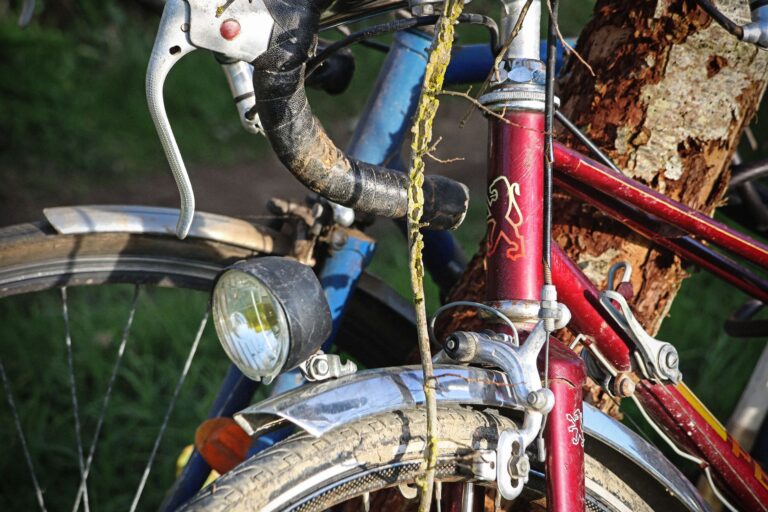
Full-coverage fenders””front and rear, extending close to the ground””block the road spray that would otherwise soak pants, shoes, and the rider’s back. Comparing a fenderless bike with waterproof pants to a fendered bike with regular pants, the fendered setup typically keeps the rider drier in moderate rain. The exception comes in genuine downpours or when riding through standing water, where both fenders and waterproof clothing become necessary. Waterproof bags or panniers protect belongings, and this is one area where quality directly correlates with performance. Roll-top designs with welded seams, such as those historically offered by Ortlieb or similar manufacturers, provide genuine waterproofing that keeps laptops and work clothes dry in extended rain. Backpack rain covers, by contrast, often fail at the seams where shoulder straps connect, and water wicks into the pack during prolonged exposure.
Layering Systems for Cold Weather Bike Commuting
Cold weather commuting requires a layering approach that accounts for the dramatic temperature differential between standing still in freezing conditions and pedaling at moderate intensity. The classic three-layer system””base layer for moisture management, mid layer for insulation, and outer layer for wind and precipitation protection””applies to cycling but needs modification. Most commuters find they need significantly less insulation than they would for standing outdoors at the same temperature, because sustained pedaling generates substantial body heat within minutes. The base layer matters more than many cyclists realize. Merino wool or synthetic materials designed for athletic use pull sweat away from skin, preventing the clammy feeling that cotton creates. Merino offers natural odor resistance, which matters for commuters who cannot shower immediately upon arrival, while synthetics dry faster.
The tradeoff: merino typically costs more and wears out faster, particularly in high-friction areas. However, if your commute involves significant perspiration and limited freshening-up options at work, merino’s odor resistance may justify the added expense. Wind protection often matters more than heavy insulation. A thin wind-blocking layer over a light fleece keeps most cyclists comfortable in temperatures that would demand heavy down jackets for stationary activities. Soft-shell jackets, which combine light insulation with wind resistance and some water repellency, serve as versatile single-layer solutions for cool-but-not-cold conditions. The limitation appears below freezing: soft shells lack the waterproofing needed for snow or freezing rain, requiring a true hardshell outer layer in winter precipitation.
Managing Heat and Sun During Summer Commutes
Summer presents the opposite challenge: preventing overheating and managing sun exposure during rides that may occur in direct sunlight and high temperatures. Lightweight, light-colored clothing reflects heat, while mesh panels and moisture-wicking fabrics help sweat evaporate. However, the fundamental physics of cycling in heat means that at low speeds, evaporative cooling cannot keep pace with heat generation. Riders moving slowly in hot conditions””climbing hills, stopping at traffic lights, navigating congested streets””face heat stress that gear alone cannot solve. Sun protection requires attention to often-neglected areas. Standard cycling jerseys leave forearms exposed, and the backs of hands receive intense sun exposure on handlebars. Arm sleeves and lightweight cycling gloves address these areas without adding significant warmth.
For the face and neck, lightweight cycling caps that fit under helmets provide shade, while buff-style neck gaiters can be wetted for evaporative cooling. One example of a commonly overlooked exposure zone: the triangle of skin at the back of the neck between helmet and jersey collar, which receives direct overhead sun and burns quickly. Hydration becomes essential gear in summer heat, and the choice between water bottles and hydration packs involves tradeoffs. Bottles in frame-mounted cages offer quick access but limited capacity””typically 40 to 70 ounces total for a two-bottle setup. Hydration packs carry more water but add back sweat and weight. For commutes under an hour, bottles typically suffice. For longer rides in extreme heat, or routes without water access, packs become more practical despite the comfort penalty.

Essential Visibility and Lighting Equipment
Visibility gear saves lives, and this category deserves more attention than many commuters give it. Front and rear lights rated for daytime use””typically meaning outputs above 200 lumens in front and visible flashing modes in rear””make cyclists dramatically more visible to drivers in all conditions. The key specification is not raw lumen output but rather the light’s ability to draw attention during daylight, when ambient brightness competes with artificial lights. Many cyclists underestimate how invisible they become in dawn, dusk, and overcast conditions without active lighting. Reflective elements supplement lights but cannot replace them.
Reflectives only work when headlights directly illuminate them, meaning they provide zero visibility from side angles and in unlit conditions. However, reflective ankle bands create a distinctive up-and-down motion that drivers’ visual systems recognize as a cyclist more readily than stationary reflectors. Combining active lighting with strategically placed reflectives””particularly on moving parts like pedals, ankles, and wheels””creates redundancy that matters when a light fails mid-commute. The comparison between cheap and quality lights matters less in pure illumination than in reliability and battery life. A powerful light that dies unexpectedly mid-ride, or whose battery degrades to uselessness within a year, provides worse long-term value than a moderate light with consistent performance. USB-rechargeable lights have become standard, and choosing lights with common charging ports means one cable can serve multiple devices.
Protecting Extremities in Challenging Conditions
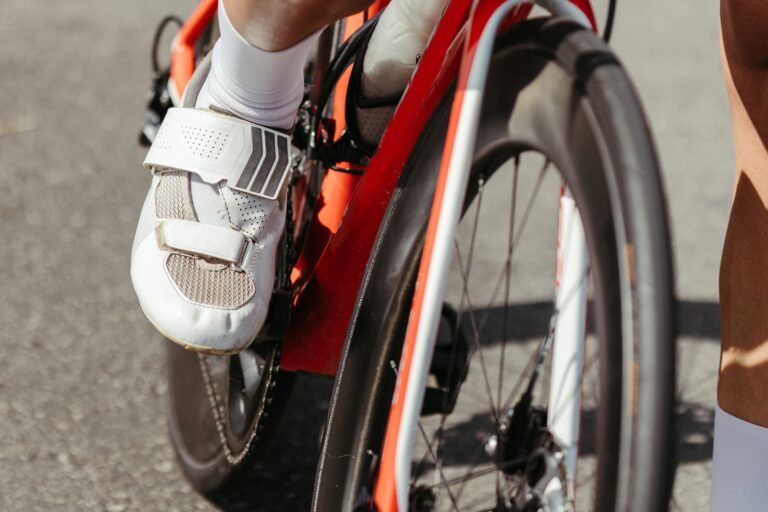
Hands and feet suffer disproportionately in cold or wet conditions because they receive less blood flow than the core body, and because they remain relatively stationary while the rest of the body generates heat through pedaling. Cycling-specific gloves address the hands, with a range of options from lightweight full-finger gloves for cool weather through heavily insulated lobster-claw mittens for below-zero conditions. The tradeoff is dexterity: warmer gloves reduce brake and shift precision, which matters for safety. Foot protection involves both cold and wet concerns. Waterproof shoe covers extend the usable temperature range of standard cycling shoes, blocking wind and rain while adding some insulation. Dedicated winter cycling boots, such as those historically made for cold-climate commuters, feature insulation and integrated weather protection but require compatible pedal systems.
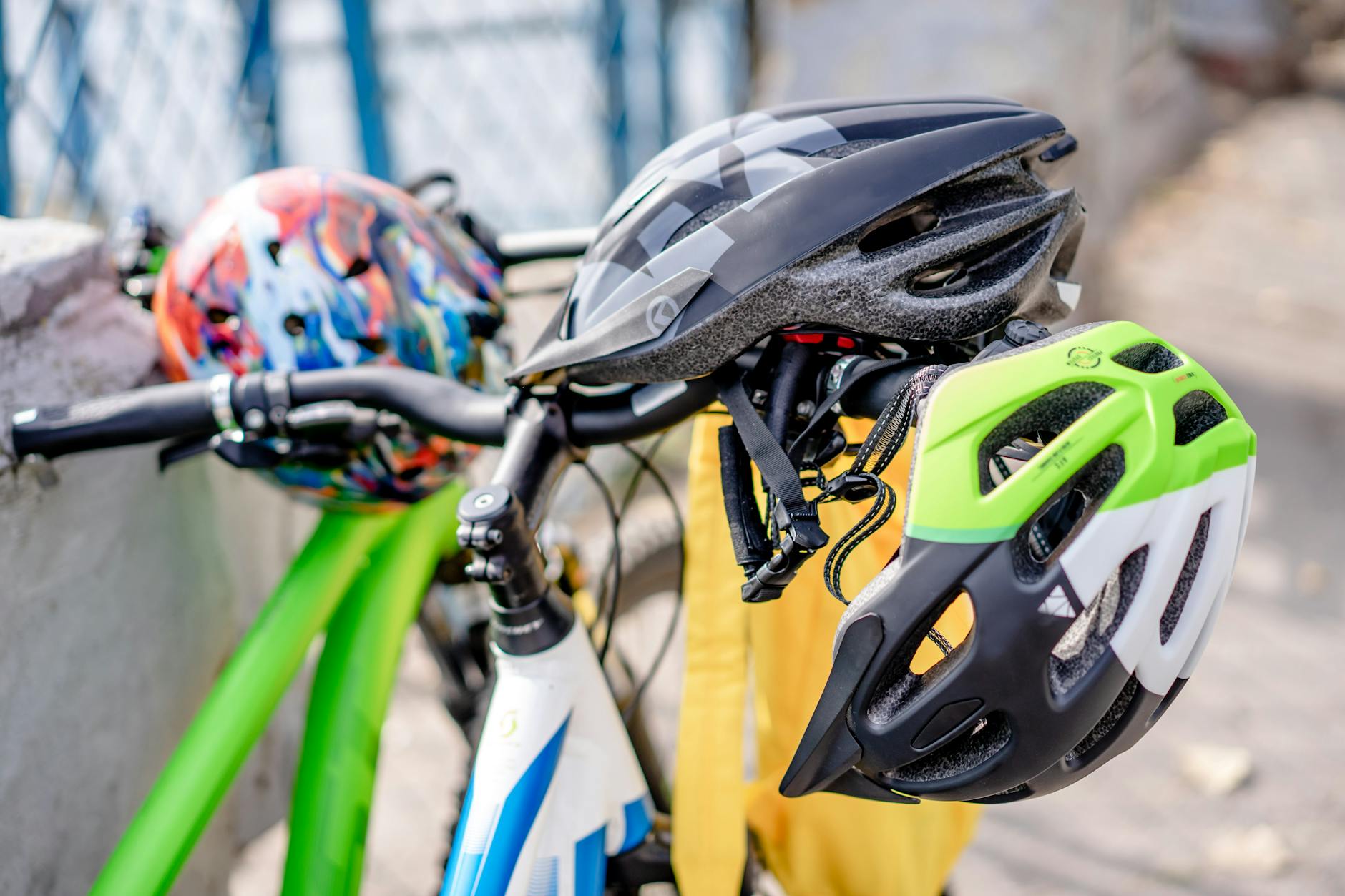
For flat-pedal commuters, standard winter boots work but often lack the stiff sole that makes pedaling efficient. One specific failure mode to avoid: waterproof shoe covers that seal too tightly at the top, trapping sweat inside and creating the same wet-foot problem they were meant to prevent. Ear and head protection often gets overlooked because standard helmets provide little coverage. Helmet liners, ear covers that fit under helmet straps, and balaclavas designed to work with helmets address this gap. However, any head covering that reduces hearing or peripheral vision creates safety tradeoffs. Testing visibility and hearing with head coverings before riding in traffic helps identify dangerous blind spots.
Storage Solutions for All-Weather Commuting
Carrying work clothes, laptops, and daily necessities requires storage that protects contents from weather while remaining practical to use. Panniers””bags that mount to racks on either side of the rear wheel””offer the best combination of capacity and weight distribution, keeping heavy loads low and centered rather than on the rider’s back. Waterproof panniers protect contents completely, while non-waterproof bags require internal dry bags or rain covers that may fail at attachment points.
The comparison between panniers and backpacks involves comfort, convenience, and weather concerns. Backpacks keep belongings with the rider when off the bike and require no rack infrastructure, but they create back sweat, shift weight high, and expose contents to more rain exposure than properly designed panniers. For commuters with workplace storage, leaving panniers attached to the bike eliminates the backpack’s only practical advantage. For those who must carry bags inside, quick-release pannier mounts and shoulder straps that convert panniers to messenger bags address the portability concern.
Maintenance Gear for Wet and Extreme Conditions
All-weather commuting places greater demands on bicycles, and carrying basic repair equipment becomes more important when conditions complicate roadside fixes. Tire repair supplies””spare tubes, tire levers, and either a pump or CO2 inflator””form the baseline. In wet conditions, cold and wet hands make tire changes dramatically more difficult; having practiced the repair in controlled conditions helps when performing it in a rainstorm. Multi-tools address minor mechanical issues, but riders should carry only tools they know how to use.
A comprehensive multi-tool does nothing for a rider who cannot perform basic adjustments. The more practical approach: learn to fix the most common failures””flat tires, chain issues, and brake or derailleur adjustment””and carry tools for those specific repairs. Chain quick links, in particular, allow field repair of a broken chain that would otherwise end a ride. Fenders, as mentioned earlier, protect both rider and bicycle, reducing wear on drivetrain components by blocking road grit carried in water spray. This represents gear that prevents problems rather than solving them””a worthwhile investment for regular wet-weather riders.
Conclusion
Building an all-weather commuting kit means prioritizing the gear that addresses your specific conditions and commute characteristics. Rain protection, visibility equipment, extremity coverage, and temperature-appropriate layering form the foundation, but the right combination depends on local climate, ride distance, and workplace facilities. A commuter in a mild, wet climate has different priorities than one facing Midwest winters or Southwest summers, and the best kit reflects that reality rather than following a universal checklist.
The investment in quality weather gear pays dividends in comfort, safety, and the ability to ride consistently rather than driving on marginal days. Starting with the highest-impact items””typically rain protection and lighting””and building the kit over time allows for learning what works and what does not before committing to a complete system. The goal is not owning the most gear but rather having the right gear to make year-round commuting practical and sustainable.