The most critical bike safety rules every parent should teach are proper helmet use, age-appropriate riding locations, traffic awareness, and pre-ride equipment checks. These four pillars form the foundation of cycling safety for children””and the stakes are significant. Over 250,000 bicycle injuries occur among children under 18 each year in the United States, with approximately 300 proving fatal. A child who learns these rules early, and practices them consistently, dramatically reduces their risk of becoming part of these statistics. Consider a common scenario: a 7-year-old wants to ride to a friend’s house three blocks away.
Without proper training, that child might dart into the street without looking, ride against traffic, or pedal through an intersection without stopping. With the right safety education, that same child stops at every driveway, makes eye contact with drivers, and stays on the sidewalk where they belong for their age. The difference between these two outcomes often comes down to what parents deliberately teach””and reinforce. This article covers the essential safety rules in detail, from helmet fitting to traffic navigation, visibility strategies, equipment maintenance, and the developmental limitations that affect when children should ride on streets versus protected paths. Each section includes practical guidance you can start using today.
Table of Contents
- Why Are Bicycle Safety Statistics So Alarming for Children?
- How Should a Child’s Bike Helmet Actually Fit?
- What Traffic Rules Should Children Learn Before Riding on Roads?
- When Should Children Ride on Sidewalks Versus Streets?
- What Pre-Ride Safety Checks Should Become Habit?
- How Does Visibility Affect Child Cycling Safety?
- What Behaviors Should Be Strictly Prohibited While Riding?
- Looking Ahead: Building Lifelong Safety Habits
- Conclusion
Why Are Bicycle Safety Statistics So Alarming for Children?
The numbers paint a sobering picture of cycling risks for young riders. Approximately 500,000 children are seriously injured in bicycle-related accidents annually in the U.S., and around 120,000 of these injuries require emergency department visits. Nearly 1,000 bicyclists of all ages die on American roads each year in motor vehicle crashes, with children representing a vulnerable subset of these tragedies. What makes these statistics particularly troubling is how preventable many injuries are. In 2022, 62 percent of bicyclists killed were not wearing helmets””a basic safety measure that research shows reduces head injury risk by 48 percent.
Half of child bicycle accidents occur within one mile from home, suggesting that familiarity with a neighborhood can breed dangerous complacency. Parents often assume the street outside their house is safe because they know the neighbors, but children still face risks from distracted drivers, delivery vehicles, and their own underdeveloped judgment. However, these statistics should inform parents rather than frighten them into banning bikes entirely. Cycling offers tremendous benefits for children’s physical health, independence, and joy. The goal is not to eliminate riding but to eliminate preventable injuries through education and consistent rule enforcement.
How Should a Child’s Bike Helmet Actually Fit?
A helmet only protects a child’s head if it fits correctly and stays on during impact. The helmet should sit level on the head, covering the forehead””roughly two finger-widths above the eyebrows. It should not tip backward to expose the forehead, a common fitting error that leaves the most vulnerable part of the skull unprotected. The chin strap must be fastened snugly enough that only one finger fits between the strap and the chin, and the helmet should not rock more than an inch in any direction when the child shakes their head. The research supporting proper helmet use is compelling. A comprehensive meta-analysis found helmets reduce head injury by 48 percent, serious head injury by 60 percent, and traumatic brain injury by 53 percent.
Cyclists without helmets are three times more likely to die from head injuries. A 2024 Norwegian study reinforced these findings, documenting serious head injuries in only 22 percent of helmeted riders compared to 38 percent of those without helmets. One limitation parents should understand: helmets must be replaced after any crash, even if no visible damage exists. The foam interior compresses during impact and loses its protective capacity. Similarly, helmets should be replaced every few years as materials degrade, or immediately if a child has outgrown the fit. A too-small helmet pushed to the back of a growing head offers minimal protection.
What Traffic Rules Should Children Learn Before Riding on Roads?
Children need to understand that bicycles follow the same basic rules as cars. This means riding on the right side of the road with traffic, obeying all stop signs and traffic signals, and yielding to pedestrians. The most important habit to instill is stopping and looking left-right-left before crossing any street or driveway””even when a child has a green light or appears to have the right of way. Making eye contact with drivers is a rule that deserves special emphasis. A child might assume a stopped car will stay stopped, but the driver may not have seen them. Teaching children to look at the driver’s face and confirm the driver is looking back creates a moment of mutual acknowledgment that significantly reduces intersection collisions.
This becomes particularly important at driveways, where drivers backing out may be focused on traffic rather than sidewalk users. Hand signals represent another essential skill, though parents should be realistic about expectations. Before turning left, riders should extend their left arm straight out. For right turns, they can extend the right arm straight or bend the left arm upward at the elbow. To signal stopping, the left arm extends downward with palm facing back. For children under 10, practice these signals extensively before expecting reliable use””the cognitive load of signaling while balancing and watching traffic is substantial for developing brains.

When Should Children Ride on Sidewalks Versus Streets?
Age provides the clearest guideline for riding location. Children under 10 years old should limit riding to sidewalks, parks, or dedicated bike paths. This recommendation stems from developmental research showing that children this age have difficulty accurately judging vehicle speed and distance””skills essential for safely navigating traffic. A car that appears to be “far away” to an 8-year-old may actually be closing rapidly. The transition from sidewalk to street riding should happen gradually and under supervision. Parents might start by riding alongside children on quiet residential streets with minimal traffic, then progress to busier roads as skills and judgment improve.
Some families find that riding to school together for several months helps children learn the route’s specific hazards before solo trips begin. This investment of parental time pays dividends in both safety and confidence. Local laws complicate this picture, as sidewalk cycling regulations vary significantly by jurisdiction. Some cities prohibit sidewalk riding for anyone over a certain age, while others allow it universally. Parents should research local ordinances while recognizing that even where sidewalk riding is technically prohibited for older children, the safest choice for a 9-year-old may still be the sidewalk rather than a busy arterial road. The spirit of the law””preventing fast adult cyclists from endangering pedestrians””differs from the reality of a young child pedaling slowly.
What Pre-Ride Safety Checks Should Become Habit?
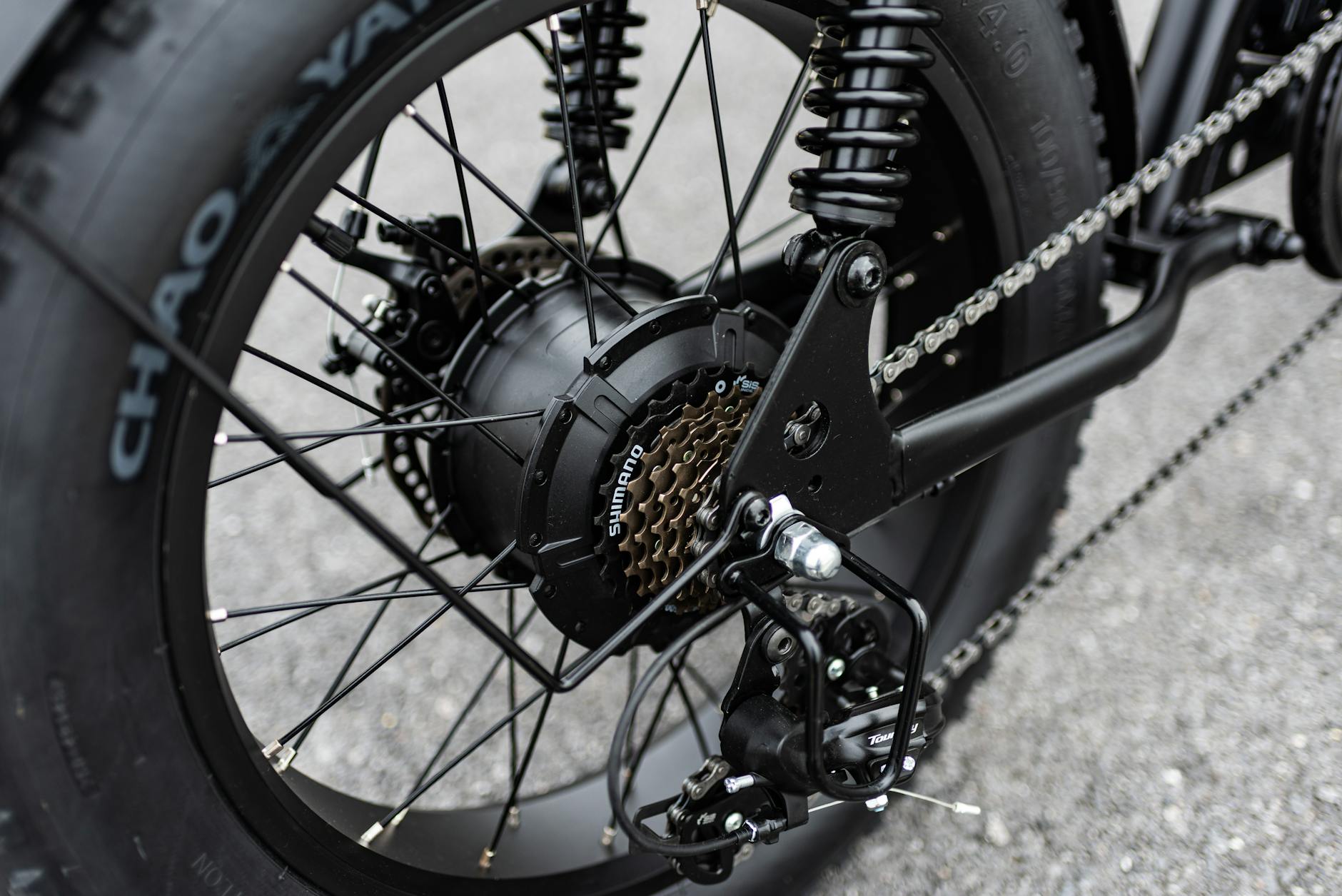
The ABC check offers a simple framework children can memorize and perform before every ride. “A” stands for Air””squeeze tires to ensure proper pressure, as underinflated tires make steering unpredictable and increase flat risk. “B” is for Brakes””squeeze both brake levers while pushing the bike forward to confirm they engage firmly. “C” represents Chain””visually inspect that the chain is properly attached and lubricated, without rust or excessive slack. Comparing this to driving a car helps children understand the importance. Adults check mirrors, adjust seats, and fasten seatbelts before starting the engine. Cyclists should develop equivalent pre-ride routines.
A brake that worked fine yesterday might have a cable stretched overnight. A tire that held air last week might have developed a slow leak. These checks take thirty seconds and can prevent serious accidents. The tradeoff parents face is between thoroughness and practicality. A professional mechanic’s pre-ride inspection would include checking wheel quick-releases, inspecting brake pads for wear, testing the headset for play, and more. For children, the ABC check represents a reasonable balance””comprehensive enough to catch the most dangerous failures while simple enough that kids will actually do it. Parents should perform more thorough monthly inspections themselves, or take bikes to shops seasonally for professional maintenance.
How Does Visibility Affect Child Cycling Safety?
Visibility represents one of the most controllable safety factors, yet many families overlook it. Children should wear bright or fluorescent colors when cycling, especially during dawn, dusk, or overcast conditions. Reflective tape on helmets, bikes, and clothing adds another layer of conspicuousness. Dark clothing should be avoided entirely during low-light periods””a child in navy blue at dusk is nearly invisible to drivers until dangerously close. A specific example illustrates the stakes: A study of cycling fatalities found that a disproportionate number occurred during twilight hours when visibility was compromised.
Drivers frequently reported not seeing cyclists until impact was unavoidable. For children, whose smaller size already makes them harder to spot, visibility gear provides crucial margin for error. Some families adopt a rule that any ride within two hours of sunrise or sunset requires a reflective vest, regardless of weather conditions. However, parents should understand visibility’s limitations. Bright clothing and reflectors help drivers see cyclists, but they cannot compensate for a distracted driver checking their phone or a child who rides into traffic without looking. Visibility measures work best as one layer in a comprehensive safety approach, not as a substitute for proper riding behavior and age-appropriate route selection.
What Behaviors Should Be Strictly Prohibited While Riding?
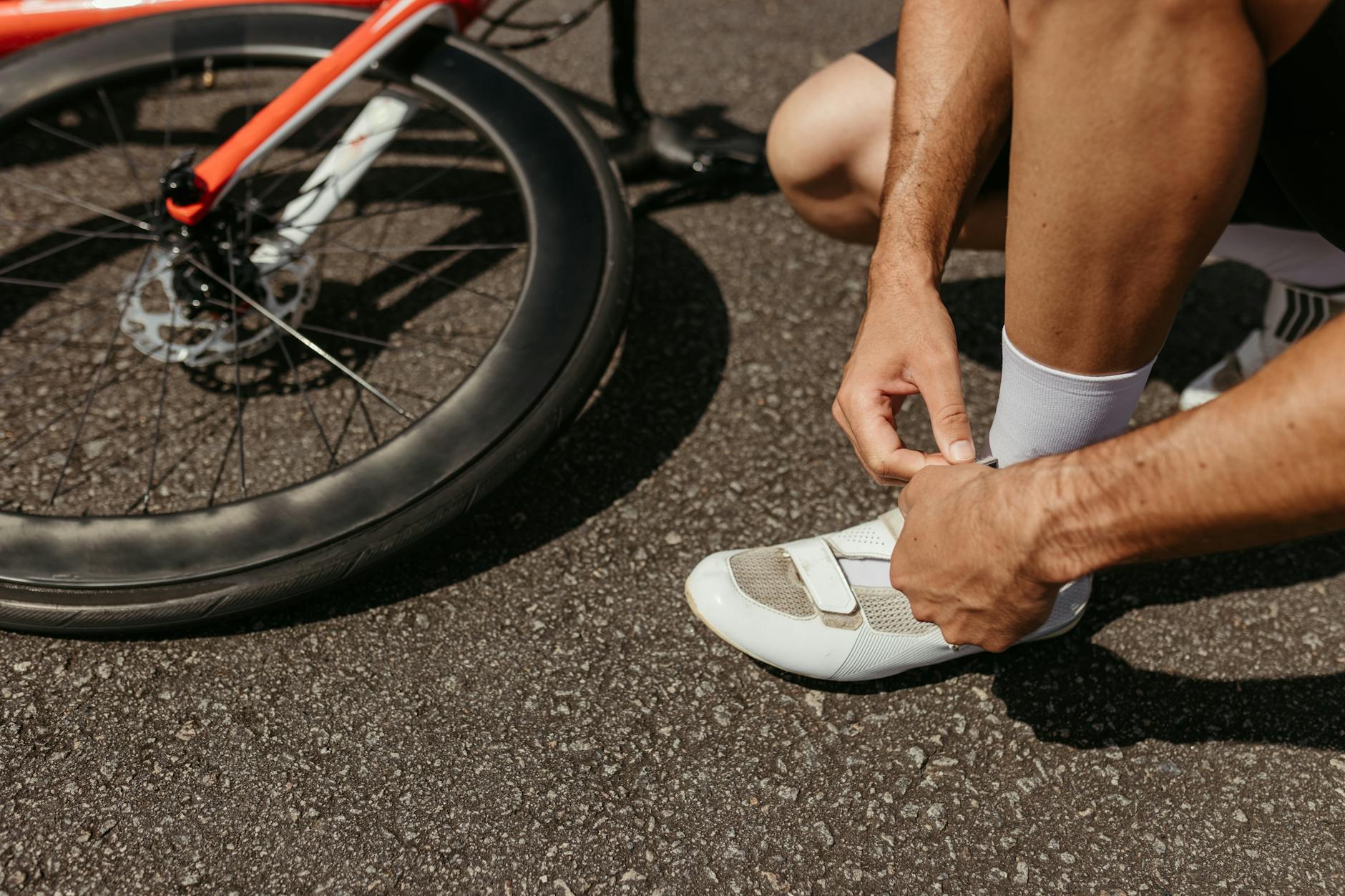
Certain activities must be explicitly banned during cycling. Phone use tops this list””no texting, calling, or scrolling while riding, period. The cognitive distraction of screen use fundamentally compromises a child’s ability to monitor traffic, maintain balance, and react to hazards. Some families require phones to be stored in backpacks, not pockets, to remove the temptation entirely. Proper footwear matters more than many parents realize. Sneakers with good grip should be the only acceptable cycling shoe.
Sandals, flip-flops, and bare feet create multiple risks: feet can slip off pedals, loose straps can catch in chains, and unprotected feet suffer severe injuries in falls or collisions. A child might protest on hot summer days, but the few seconds of discomfort from wearing closed shoes pales against the alternative. Headphones and earbuds present another hazard worth addressing. While not always explicitly prohibited by law, listening to music or podcasts prevents children from hearing approaching vehicles, shouted warnings, or emergency sirens. The auditory environment provides critical safety information that visual attention alone cannot replace. If children want music while riding, consider a small speaker mounted on the handlebars at low volume””it allows environmental awareness while providing entertainment.
Looking Ahead: Building Lifelong Safety Habits
The safety rules taught during childhood establish patterns that persist into adult cycling. A teenager who always checks their brakes before riding because they learned the ABC check at age six carries that habit into adulthood. A young adult who instinctively makes eye contact with drivers at intersections does so because a parent drilled that behavior years earlier. The investment in safety education compounds over time.
Current legal trends suggest helmet requirements will expand. As of February 2025, 21 states, the District of Columbia, and over 200 localities have bicycle helmet-use laws, with state-level requirements associated with a 20 percent decrease in bicycle versus motor vehicle deaths and injuries. Parents in jurisdictions without current laws should anticipate future requirements and establish helmet habits now. More importantly, they should recognize that legal minimums represent floors, not ceilings””comprehensive safety practices exceed what any law requires.
Conclusion
Teaching bike safety to children requires covering four essential areas: helmet use with proper fit, traffic rules and intersection behavior, age-appropriate riding locations, and pre-ride equipment checks. These fundamentals, combined with visibility practices and prohibited behaviors like phone use, create a comprehensive safety framework. The statistics on cycling injuries are sobering, but they also demonstrate how dramatically proper precautions reduce risk””helmets alone cut head injuries by nearly half. Start with the basics and build systematically. Fit a helmet correctly today.
Practice the ABC check before tomorrow’s ride. Walk through hand signals this weekend. Accompany your child on their regular routes to identify specific hazards and appropriate responses. Safety education is not a single conversation but an ongoing process of instruction, practice, and reinforcement. The goal is a child who rides confidently and safely””not because a parent is watching, but because good habits have become automatic.


