Planning a family bike ride that everyone actually enjoys comes down to three core principles: choose routes that match your slowest rider’s ability, plan for more breaks than you think you need, and build in rewards that give everyone something to look forward to. The most common mistake families make is overestimating distance and underestimating how different age groups experience cycling. A route that feels like a pleasant warm-up for an adult can be an exhausting ordeal for a seven-year-old. Start with distances roughly half of what you think your family can handle, then adjust upward on future rides based on how everyone felt.
Consider a family with children ages six and ten attempting their first trail ride together. If the parents typically ride fifteen miles on weekend outings, a reasonable family target would be four to six miles on flat terrain with at least two scheduled stops. This approach leaves room for the unexpected””a flat tire, a bathroom emergency, or a child who simply needs to rest””without turning the ride into a stressful race against daylight or dwindling energy. This article covers the practical elements of family cycling logistics, from selecting appropriate routes and matching bikes to rider sizes, to managing group dynamics on the road and building a riding culture that keeps everyone coming back. We will also address safety considerations, gear essentials, and how to handle the inevitable complaints when enthusiasm starts flagging halfway through a ride.
Table of Contents
- What Makes Family Bike Rides Enjoyable for Riders of All Ages?
- Choosing Routes That Work for Mixed Ability Levels
- Matching Bikes and Equipment to Each Family Member
- Managing Group Dynamics and Pacing on the Ride
- Handling Complaints, Fatigue, and Mid-Ride Meltdowns
- Essential Gear and Supplies for Family Cycling Outings
- Building Long-Term Family Cycling Habits
- Conclusion
What Makes Family Bike Rides Enjoyable for Riders of All Ages?
The key differentiator between a successful family ride and a miserable one often has nothing to do with the bikes themselves. Enjoyment stems from setting appropriate expectations, maintaining a flexible attitude, and designing the experience around your least experienced rider rather than your most enthusiastic one. Children, particularly those under ten, have fundamentally different physical capabilities and attention spans than adults. They fatigue more quickly, overheat more easily, and lose interest faster when the scenery becomes monotonous. Contrast two approaches: a family that sets out with a specific mileage goal and pushes through complaints to achieve it versus a family that treats the ride as an exploration with a loose destination.
The goal-oriented approach frequently produces tears, arguments, and children who associate cycling with misery. The exploration approach””where stopping to look at a creek or investigate an interesting tree is encouraged rather than discouraged””creates positive associations that build long-term cycling enthusiasm. However, complete lack of structure can also backfire, particularly with older children who appreciate having clear objectives. The balance lies in setting modest, achievable targets while remaining genuinely willing to abandon them if circumstances change. Telling a twelve-year-old “we’re riding to the ice cream shop” provides motivation, while being prepared to turn around early if a younger sibling hits a wall prevents the outing from becoming an endurance test.

Choosing Routes That Work for Mixed Ability Levels
Route selection is arguably the most important planning decision for family rides. The ideal family cycling route features minimal elevation change, separation from motor vehicle traffic, a smooth riding surface, and interesting waypoints that break up the journey. Rail trails””former railway corridors converted to multi-use paths””historically have provided excellent options because their original purpose demanded gentle grades that locomotives could handle, typically less than two percent incline. The limitation of focusing exclusively on flat, paved paths is that they may not exist in your area, and children who only ride on perfect surfaces may struggle to develop bike handling skills for varied terrain. If your local options include gravel paths or gentle dirt trails, these can actually benefit young riders by teaching them to navigate minor obstacles and adjust their balance on changing surfaces.
The tradeoff is slower speeds and increased fatigue, so reduce your distance expectations accordingly. Before committing to a route, ride it yourself without children if possible. Online trail descriptions and user reviews provide helpful starting points, but conditions change seasonally, and descriptions of difficulty are subjective. A trail described as “easy” by experienced mountain bikers may be genuinely challenging for a family with young riders. Pay attention to factors that reviews often omit: availability of restrooms along the route, water fountains, shade coverage, and whether the path is truly continuous or requires navigating road crossings.
Matching Bikes and Equipment to Each Family Member
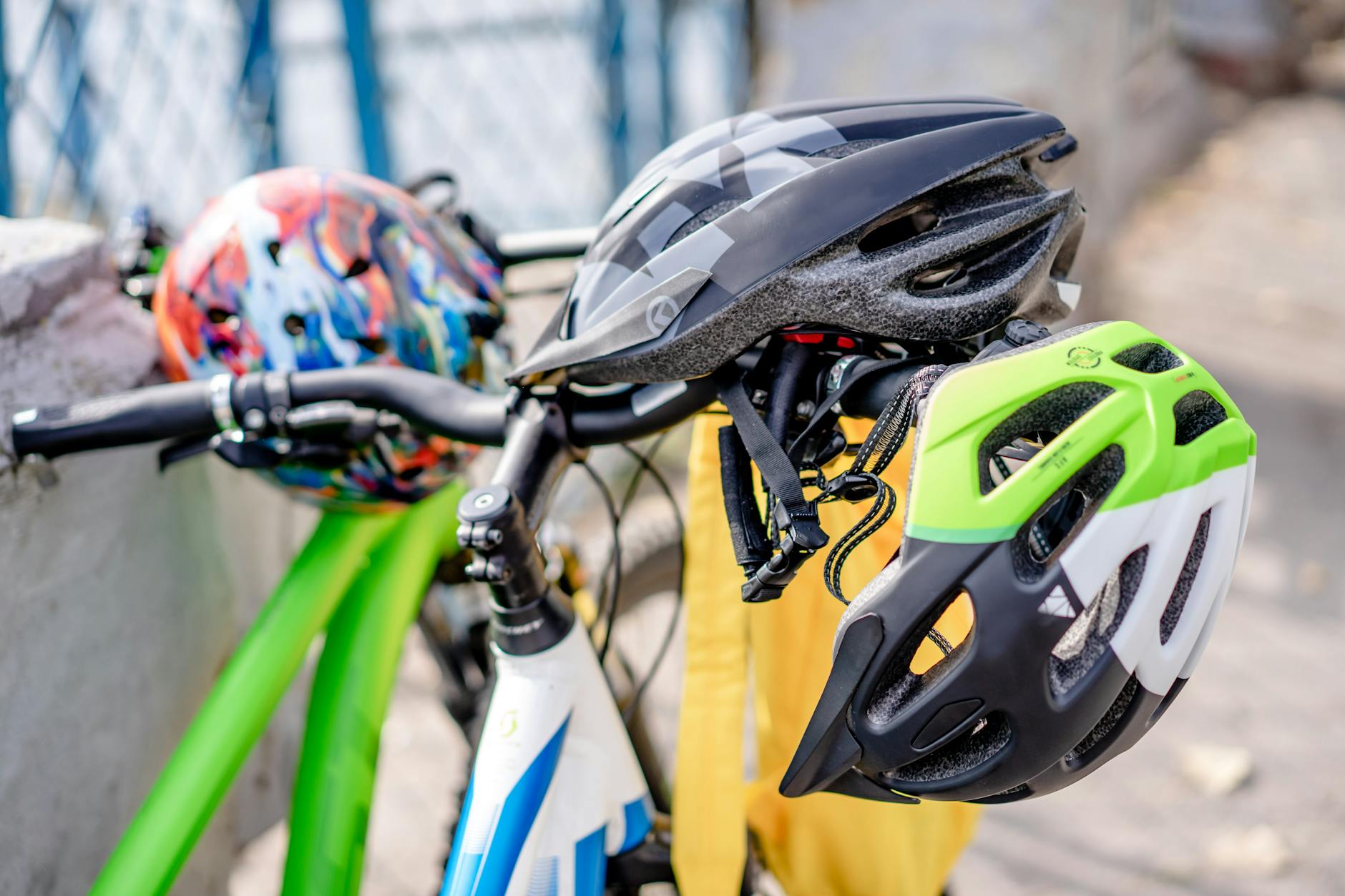
Proper bike fit matters enormously for children’s comfort and safety, yet many families ride with bikes that are too large because they were purchased with “room to grow.” A child on an oversized bike cannot control it effectively, cannot stop quickly, and will tire faster from fighting the awkward geometry. The general guideline is that a child should be able to straddle the bike with both feet flat on the ground and reach the handlebars without stretching. For families with very young children, several alternatives exist beyond waiting until they can pedal independently. Trailer bikes””single-wheeled attachments that connect to an adult’s bike””allow children as young as four to participate in the pedaling without bearing full responsibility for steering and balance.
Child trailers provide an option for even younger children, though the passenger experience can be less engaging than active participation. Balance bikes have helped many children develop cycling readiness earlier than the traditional training wheel approach. The example of a family equipping a four-year-old with a trailer bike illustrates the tradeoffs: the child participates actively and builds leg strength and cycling familiarity, but the adult pulling the trailer bike works significantly harder and has reduced maneuverability. On narrow trails with tight turns, this setup can be problematic. Families should test configurations in low-stakes environments before committing to them for longer rides.
Managing Group Dynamics and Pacing on the Ride
The physical reality of family cycling is that everyone wants to ride at a different pace. Adults who cycle regularly may find a ten-mile-per-hour average frustratingly slow, while that same pace exhausts a child who normally rides around the neighborhood at six or seven miles per hour. Establishing expectations before departure prevents the faster riders from repeatedly surging ahead and waiting impatiently, which creates pressure on slower riders and often provokes conflict. One practical approach involves designating a lead rider and a sweep rider, with everyone else staying between them. The lead rider sets a pace comfortable for the slowest member and does not increase speed regardless of how easy the route feels.
The sweep rider stays behind the last child, ensuring no one falls back unnoticed. This structure works well for families with multiple children and prevents the common scenario where parents at the front don’t realize a child has stopped far behind. The comparison between structured pacing and free-form riding reveals that neither approach works universally. Families with closely matched abilities and similar temperaments may ride happily together without formal structure. Families with significant age gaps or competitive dynamics often need explicit rules to prevent faster riders from inadvertently pressuring slower ones. The key insight is recognizing which approach your specific family needs rather than assuming one method works for all situations.
Handling Complaints, Fatigue, and Mid-Ride Meltdowns
Expect complaints. Even well-planned family rides encounter moments when someone declares they cannot continue, the ride is too hard, or they want to go home immediately. How parents respond to these moments shapes whether children develop resilience and eventually push through minor discomfort or whether they learn that complaining ends activities they don’t enjoy. The limitation of a purely supportive response””immediately stopping and offering to turn around whenever a child complains””is that it rewards complaining and may prevent children from discovering they had more capacity than they believed. However, dismissing legitimate fatigue or distress damages trust and can create genuinely miserable experiences.
The distinction lies in reading whether the complaint reflects momentary frustration or genuine exhaustion. A child who complains but keeps pedaling is likely processing normal discomfort. A child who stops, shows physical signs of fatigue, or becomes unusually quiet may need actual intervention. Practical strategies include scheduling breaks before complaints begin, keeping preferred snacks accessible, and having a planned reward at the turnaround point or destination. Some families find success with distraction techniques””playing counting games, identifying wildlife, or racing to specific landmarks””while others prefer acknowledging the difficulty directly and expressing confidence that the child can handle it. Know your children’s individual responses to challenge and adjust accordingly.
Essential Gear and Supplies for Family Cycling Outings
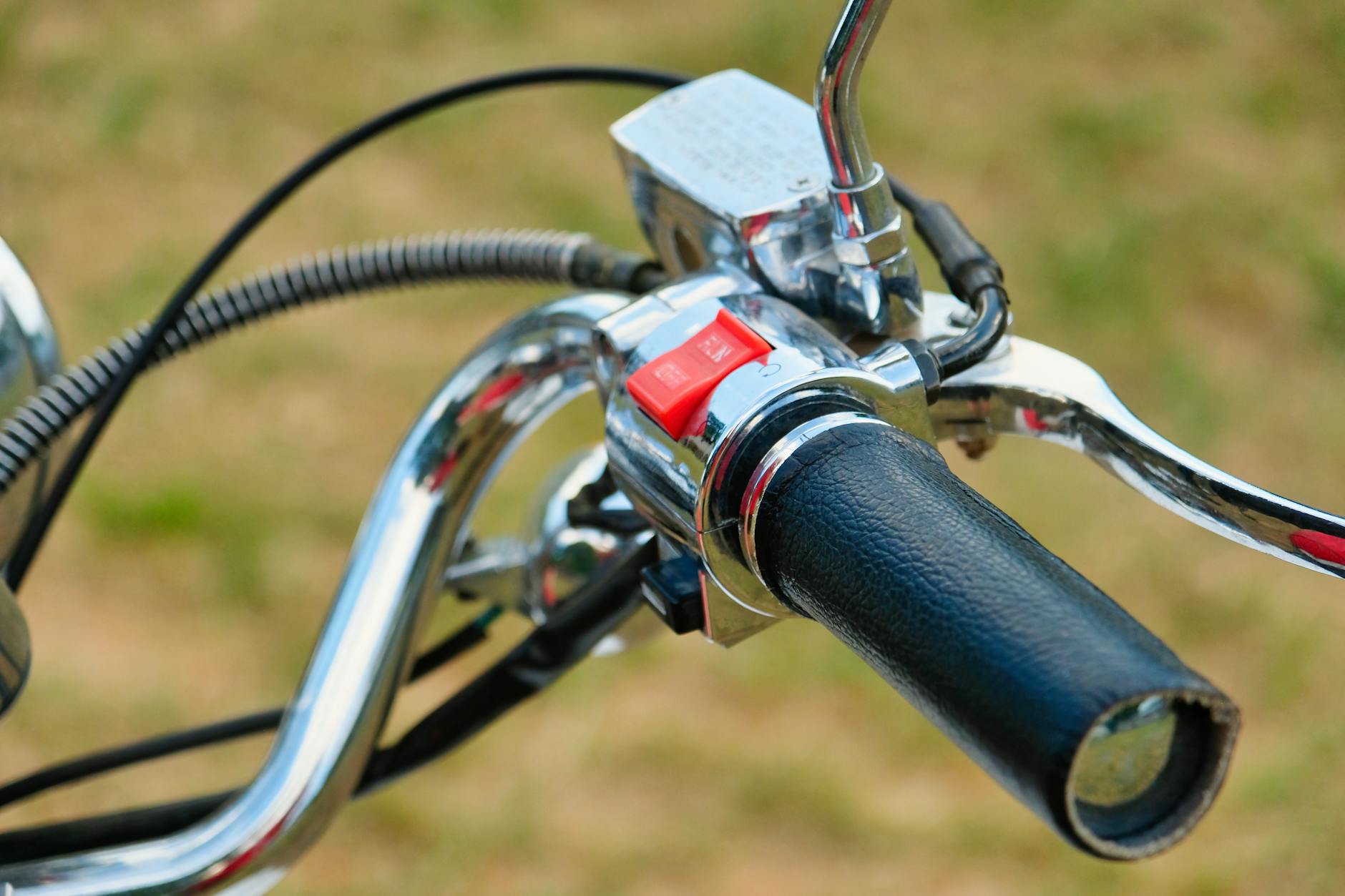
Beyond bikes and helmets, family rides require more supplies than solo adult cycling because the potential complications multiply with more riders. A basic repair kit should include a spare tube, tire levers, a pump or CO2 inflator, and a multi-tool. However, the reality is that many parents have never changed a tube and discovering this mid-ride with tired children is not ideal. Practice basic repairs at home before they become necessary on the trail.
Water and snacks present a pacing challenge: children often don’t recognize thirst or hunger signals until they are already significantly depleted. Rather than waiting for children to request water, schedule regular drink breaks regardless of whether anyone reports feeling thirsty. For rides over an hour, plan for snacks that provide quick energy without creating upset stomachs””granola bars, fruit, or crackers tend to work better than candy or heavy foods. A family attempting a two-hour ride with insufficient water learned this lesson when their eight-year-old became listless and irritable on the return leg. The symptoms resolved within fifteen minutes of getting fluids and a snack, but the experience turned the final miles into a struggle that could have been prevented with better supply planning.
Building Long-Term Family Cycling Habits
Isolated family rides, however successful, don’t automatically create cycling families. Building durable habits requires consistency””regular rides at predictable intervals, even if brief, establish cycling as a normal family activity rather than a special event requiring extensive planning. Some families designate a specific day as bike day, creating an expectation that removes the friction of deciding whether to ride each week.
The forward-looking perspective recognizes that children’s abilities and interests change rapidly. A child who struggles at six may become an enthusiastic rider at eight. A teenager who dismisses family activities as uncool may reengage in young adulthood. Maintaining the infrastructure””functional bikes, knowledge of local routes, and positive associations with cycling””creates conditions for family riding to continue through various life stages even if participation fluctuates during certain periods.
Conclusion
Planning family bike rides that everyone enjoys requires accepting constraints that experienced cyclists might find limiting. Shorter distances, slower paces, more frequent stops, and flexible objectives characterize successful family outings. The families who build lasting cycling traditions typically prioritize the experience over achievement, understanding that a four-mile ride ending in laughter creates more value than a fifteen-mile ride ending in exhaustion and resentment.
The practical next step is starting small. Choose a route half the length you think reasonable, bring more water and snacks than seem necessary, and commit to remaining cheerful regardless of how the ride unfolds. Observe what works and what doesn’t, then adjust future rides accordingly. Family cycling competence develops through repetition, and the goal of any single ride is simply to make everyone willing to try again.


