The best hybrid bike lights for safe night commuting combine adequate brightness for urban visibility, reliable battery life for round-trip journeys, and mounting systems that work across different handlebar and seatpost sizes typical of hybrid bikes. Front lights in the 400-800 lumen range with side visibility cutouts, paired with rear lights of at least 50 lumens with multiple flash patterns, represent the practical sweet spot for most commuters navigating mixed conditions of city streets, bike paths, and suburban roads. Brands like Cygolite, Light and Motion, NiteRider, and Bontrager have historically offered well-regarded options at various price points, though specific models and features change frequently enough that checking current reviews before purchasing is advisable.
A commuter riding from a suburban home through downtown to an office, for example, needs lights that perform differently than a mountain biker on dark trails or a roadie on rural highways. The hybrid commuter typically encounters streetlit sections where being seen matters more than illuminating the path, interspersed with darker stretches where actually seeing the road becomes critical. This dual requirement shapes what makes a light “best” for this specific use case. The following sections cover how to evaluate brightness claims, battery considerations for realistic commute scenarios, mounting options for hybrid bike geometry, visibility features that actually improve safety, and common mistakes that leave commuters inadequately lit despite having lights installed.
Table of Contents
- What Makes a Bike Light Suitable for Hybrid Commuting at Night?
- Understanding Lumen Ratings and Real-World Visibility
- Battery Types and Charging Solutions for Commuters
- Mounting Options That Work With Hybrid Bike Geometry
- Common Lighting Mistakes That Compromise Commuter Safety
- Weather Resistance and Seasonal Considerations
- Light Regulations and Legal Requirements
- Conclusion
What Makes a Bike Light Suitable for Hybrid Commuting at Night?
hybrid commuting presents distinct lighting challenges that differ from recreational cycling. The typical commuter rides in variable conditions within a single trip: well-lit downtown cores, moderately lit residential streets, potentially dark multi-use paths, and intersections where being visible to turning drivers matters enormously. A light optimized purely for maximum brightness or maximum runtime often fails to address this variability. The ideal commuter light offers multiple modes that can be adjusted mid-ride without stopping, genuine side visibility rather than just a forward-focused beam, and a beam pattern that illuminates road hazards without blinding oncoming traffic or pedestrians. Brightness specifications require careful interpretation. Manufacturers typically advertise peak lumens, but actual performance depends on beam pattern, optics quality, and how quickly the light throttles down as batteries deplete or the unit heats up.
A 500-lumen light with well-designed optics and a broad, even beam often provides more useful illumination for commuting than a 1000-lumen light with a narrow spotlight pattern. The commuter needs to see potholes, debris, and road markings across the entire lane width, not just a bright circle directly ahead. Some manufacturers now provide beam diagrams or lux measurements at specific distances, which offer more practical information than raw lumen counts. Rear lights deserve equal attention, though commuters often underinvest here. Automotive research suggests that drivers notice flashing lights more readily than steady ones, but certain flash patterns can make it difficult for drivers to judge closing distance and speed. Lights offering a “pulse” or “breathing” mode, which maintain partial illumination while adding a flash component, may offer a reasonable compromise between attention-grabbing and distance-assessment. The rear light’s visibility from angles, not just directly behind, matters significantly at intersections where most cyclist-vehicle conflicts occur.
Understanding Lumen Ratings and Real-World Visibility
Lumen ratings have become the default metric for comparing bike lights, but they measure total light output from the source rather than useful illumination where you need it. Two lights roads/” title=”Best Hybrid Bikes With Front Suspension for Rough Roads”>with identical lumen ratings can perform dramatically differently on the road depending on reflector design, lens quality, and beam shaping. The lighting industry lacks standardization in how measurements are taken, meaning one manufacturer’s 600 lumens might genuinely equal another’s 400 lumens in practical road illumination. The German StVZO standard, which requires bike lights to have a shaped beam that illuminates the road without blinding oncoming traffic, represents one attempt at more meaningful performance criteria, though lights meeting this standard may feel less bright subjectively even while providing superior practical visibility. Runtime claims present similar interpretation challenges. Advertised runtimes typically reflect ideal laboratory conditions at controlled temperatures using the lowest power mode.
Cold weather can reduce lithium battery capacity by 20-40 percent, and running in higher modes drains batteries at rates rarely proportional to the brightness increase. A light advertised at 4 hours on high and 12 hours on low might realistically deliver 2.5 hours on high during a winter commute. Commuters should look for lights where the realistic runtime in their typical mode exceeds round-trip commute time by a comfortable margin, or alternatively, lights that offer USB recharging and can accept a quick top-up charge at work. However, if your commute involves primarily well-lit urban streets, maximum brightness matters less than reliability and visibility features. A 200-lumen light with excellent side visibility, multiple flash modes, and rock-solid battery reliability might serve better than a 1000-lumen light that requires constant mode adjustment and leaves you anxious about battery life. Assess your actual route conditions before chasing specifications that may not match your needs.
Battery Types and Charging Solutions for Commuters
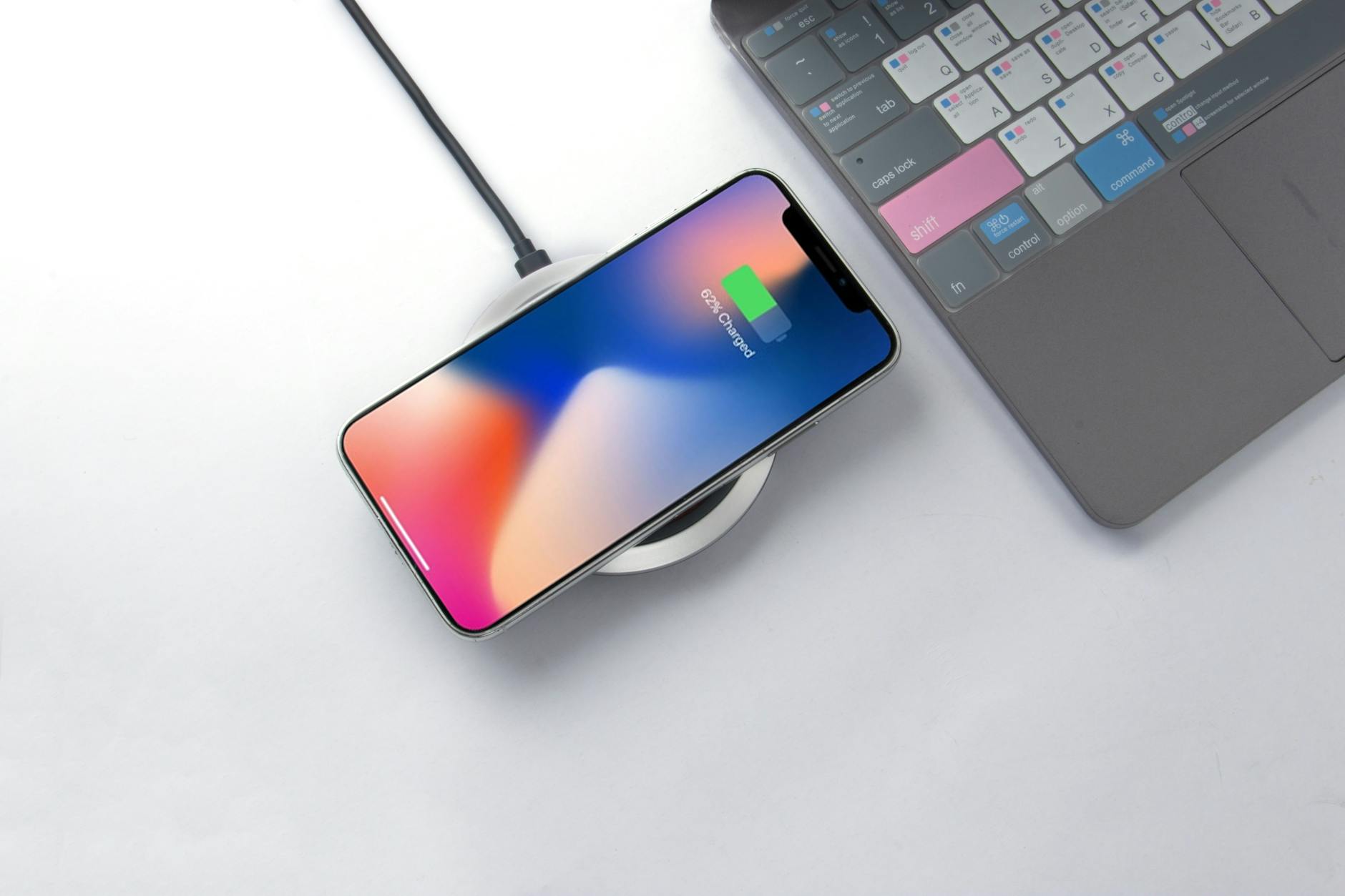
Battery technology significantly affects commuter light practicality. Integrated lithium-ion batteries with USB charging have become the dominant design, eliminating the ongoing cost of disposables while creating dependency on charging access. The shift to USB-C charging has simplified cable management for those who have standardized their devices, though some quality lights still use micro-USB or proprietary connectors. External battery pack lights, which separate the light head from a larger battery carried in a jersey pocket or frame bag, offer extended runtime for longer commutes but add complexity and potential failure points in the cable connection. Charging discipline determines whether battery capacity remains useful over time. Lithium batteries degrade faster when stored at full charge or depleted states for extended periods.
Commuters who charge their lights immediately after each ride and then leave them on the charger for weeks between uses may find capacity degrading faster than those who charge shortly before anticipated use. That said, modern battery management systems have improved significantly, and for most commuters the practical difference matters less than simply remembering to charge regularly. A light that dies mid-commute because you forgot to charge it fails regardless of its theoretical battery longevity. Quick-charge features have become more common and offer genuine practical value for commuters. A light that reaches 80 percent charge in 30-45 minutes can be topped up during a morning meeting if you discover a low battery on arrival. Some lights now offer pass-through charging, allowing them to run while plugged into a USB power bank, effectively creating unlimited runtime at the cost of carrying additional gear. For commuters with access to charging at work, this feature matters less than for those completing longer one-way journeys without power access.
Mounting Options That Work With Hybrid Bike Geometry
Hybrid bikes present specific mounting considerations that differ from road or mountain bike setups. Handlebars may be flat, riser, or swept-back designs, each requiring different mounting angles to achieve proper beam direction. Many commuter hybrids come with accessories like phone mounts, bells, and mirrors already claiming handlebar real estate. Tool-free mounting systems using silicone bands or quick-release mechanisms allow repositioning as needed, though some compromise security compared to bolted mounts. The most secure mounts often work best within specific diameter ranges, so verifying compatibility with your handlebar size before purchasing saves frustration. Rear light mounting on hybrids offers more options than on road bikes. Many hybrids include rack mounting points, and lights designed for rack mounting often position higher and further back than seatpost-mounted options, potentially improving visibility.
Seatpost mounts work well on most hybrids but may conflict with dropper posts on fitness-oriented models. Seatstay mounting places the light lower but keeps it visible regardless of whether saddle bags or other seatpost accessories are present. Some commuters run multiple rear lights in different positions for redundancy and to create a larger visual signature. Quick-release mounts enable removing lights when parking, which matters significantly for commuters leaving bikes locked in public locations. Even inexpensive lights walk away when left on locked bikes. The tradeoff involves fumbling with mount and dismount during every ride, potentially in rain or while wearing gloves. Some systems compromise by using theft-resistant but not theft-proof mounting, discouraging casual theft while acknowledging that determined thieves defeat any mount. Consider your parking security honestly when deciding whether tool-free removability or absolute security matters more.
Common Lighting Mistakes That Compromise Commuter Safety
The most frequent error involves running lights aimed too high, blinding oncoming cyclists and drivers while providing poor road illumination. This happens naturally when mounting lights on handlebars and never adjusting the angle. Proper aim places the beam’s brightest portion on the road 30-50 feet ahead, with enough spread to catch peripheral hazards and enough range to reveal obstacles at stopping distance. Taking two minutes to check and adjust aim after initial installation prevents ongoing problems that the rider never notices because they are behind the light. Running only in high-beam or maximum-flash modes creates problems for other road users and may violate local regulations that restrict strobe effects. High-power modes drain batteries faster, generate heat that throttles output, and can genuinely impair other cyclists’ night vision when passing on shared paths.
Learning to switch modes based on conditions, using lower steady modes on trails with oncoming bike traffic and higher flash modes on busy roads with vehicle traffic, marks the difference between considerate lighting and merely having a light attached. Neglecting side visibility represents another common gap. Many lights focus output forward with minimal side emission, leaving cyclists vulnerable in the turning and intersection scenarios where most collisions occur. Drivers approaching intersections may see no light at all from a cyclist approaching perpendicularly if the light lacks side cutouts or amber side markers. Wheel-mounted lights, spoke reflectors, or supplementary clip-on lights on bags or clothing add visibility from angles that handlebar lights miss. Some cyclists use reflective frame tape or decals as passive side visibility enhancement.
Weather Resistance and Seasonal Considerations
Year-round commuters need lights that function reliably across temperature extremes and wet conditions. Water resistance ratings follow the IP (Ingress Protection) standard, where IPX4 indicates splash resistance, IPX5 handles low-pressure jets, and IPX7 survives temporary immersion. Most quality commuter lights achieve at least IPX4, adequate for rain but potentially insufficient for fording flooded paths or riding through extended downpours. Charging port covers represent a common failure point, as they may fail to reseal properly after charging, allowing moisture intrusion over time. Cold weather affects both battery performance and physical durability.
Lithium batteries deliver less capacity in cold temperatures, and the effect worsens with age. Plastics become more brittle and impact-prone. Touchscreens or capacitive buttons may not register gloved fingers. Commuters in cold climates should consider lights with simple mechanical buttons, plan for 30-50 percent less runtime in winter, and inspect mounts and housings for cracks as temperatures fluctuate. Storing lights indoors rather than in unheated garages or on the bike overnight helps preserve battery health and plastic integrity.
Light Regulations and Legal Requirements
Local regulations regarding bike lights vary significantly by jurisdiction and may require specific capabilities rather than just presence. Some regions mandate steady rather than flashing modes, others require minimum brightness levels, and many specify separate front (typically white) and rear (typically red) requirements. Penalties for riding without required lights range from nominal warnings to substantial fines. Beyond legal requirements, insurance implications may arise if inadequate lighting contributes to an accident, potentially affecting liability determinations regardless of other factors.
Checking local regulations before purchasing ensures your lights actually meet legal minimums and not just personal preferences. The trend in regulation has generally moved toward recognizing the safety value of being seen, though legacy rules designed around weak incandescent lights persist in some areas. As LED technology continues advancing, the gap between minimum legal requirements and recommended practice widens. Meeting legal minimums might mean a modest always-on light, while genuine visibility in modern traffic conditions might suggest substantially brighter lighting with attention-getting modes. Most commuters benefit from exceeding minimum requirements while remaining compliant with maximum restrictions where they exist.
Conclusion
Selecting the best hybrid bike lights for night commuting requires matching light capabilities to actual commute conditions rather than chasing maximum specifications. A thoughtfully chosen front light in the 400-800 lumen range with appropriate beam shaping, paired with a quality rear light offering multiple modes including pulse options, covers most urban and suburban commuting scenarios adequately. Mounting compatibility, battery runtime exceeding realistic commute needs, and weather resistance appropriate to local conditions matter as much as raw brightness.
Beyond equipment selection, installation and usage practices determine whether your lights actually protect you. Proper aim, mode selection appropriate to conditions, regular charging discipline, and attention to side visibility round out an effective lighting strategy. The investment in quality lighting typically returns value quickly through confidence, comfort, and genuine safety improvement during the darker months when commuting conditions demand more than daylight visibility alone can provide.