The best hybrid bikes for seniors prioritize an upright riding position, a step-through frame design, and a comfortable saddle with adequate suspension””features that reduce strain on the back, neck, and joints while making mounting and dismounting safer. Models from established manufacturers like Trek (the Verve series), Specialized (the Roll and Crossroads lines), and Giant (the Cypress and Liv Alight for women) have historically ranked among the most recommended options for older riders seeking comfortable daily transportation. These bikes typically feature wider tires for stability, ergonomic grips, and gearing systems that make pedaling easier on hills without requiring excessive force.
Beyond specific brand recommendations, this article explores what makes a hybrid bike suitable for senior riders, including frame geometry considerations, the importance of proper fit, and how to evaluate features like suspension forks and gear ratios. A 68-year-old rider recovering from knee replacement surgery will have different needs than an active 72-year-old who wants to keep up with grandchildren on weekend trails””so understanding these variables matters more than chasing any single “best” model. We will also cover test-riding strategies, common mistakes to avoid, and when an e-bike hybrid might be the better choice. The hybrid category itself exists precisely because it blends the best elements of road bikes and mountain bikes, making it inherently versatile for seniors who want one bike for multiple purposes: errands, light exercise, and recreational riding on paved paths or packed gravel.
Table of Contents
- What Makes a Hybrid Bike Comfortable for Senior Riders?
- Key Features to Prioritize When Shopping for a Senior-Friendly Hybrid
- How Frame Size and Fit Affect Comfort for Older Cyclists
- Comparing Popular Hybrid Bike Models for Senior Comfort
- When an Electric Hybrid Bike Makes More Sense
- Maintenance Considerations for Senior Hybrid Bike Owners
- Future Trends in Senior-Friendly Bicycle Design
- Conclusion
What Makes a Hybrid Bike Comfortable for Senior Riders?
Comfort in a hybrid bike stems from several interconnected design elements, with frame geometry being the most fundamental. Bikes designed with a more upright riding position place the handlebars higher relative to the saddle, which keeps the spine in a more natural alignment and reduces the forward lean that causes neck and lower back fatigue. This contrasts sharply with road bikes, where an aggressive forward posture prioritizes aerodynamics over comfort. For seniors, even fifteen minutes in a hunched position can cause discomfort that discourages future riding. The step-through frame design””sometimes called a low-step or open frame””deserves particular attention because it eliminates the need to swing a leg high over a top tube. This feature becomes increasingly valuable for riders dealing with hip stiffness, balance concerns, or reduced flexibility.
A rider with hip arthritis, for instance, may find that a traditional diamond frame makes the bike essentially unusable, while a step-through version of the same model feels completely accessible. The tradeoff is a slight reduction in frame stiffness, but for casual riding at moderate speeds, this difference is imperceptible to most riders. Suspension also plays a role, though more is not always better. A front suspension fork can absorb bumps and reduce hand fatigue on rougher surfaces, but it adds weight and requires periodic maintenance. Rigid forks with wider tires (35mm to 45mm) often provide sufficient cushioning for paved paths while keeping the bike lighter and simpler. Some manufacturers now offer suspension seatposts as a middle-ground solution, isolating the rider from road vibration without the complexity of a full suspension system.

Key Features to Prioritize When Shopping for a Senior-Friendly Hybrid
Gearing systems represent one of the most consequential choices when selecting a hybrid bike, and the trend toward simplified drivetrains has been particularly beneficial for senior riders. Traditional derailleur systems with multiple chainrings and rear cogs offer the widest gear range but require more maintenance and can be confusing to operate. Internal gear hubs, such as those made by Shimano (Nexus and Alfine series) or Enviolo, hide the gearing mechanism inside the rear hub, protecting it from the elements and allowing shifts even while stationary””useful when you forget to downshift before stopping at a traffic light. However, if you plan to ride in genuinely hilly terrain, internal hubs may not provide a low enough gear for comfortable climbing. Riders in San Francisco or Seattle, for example, might find that even an 8-speed internal hub leaves them grinding up steep grades.
In such cases, a traditional derailleur system with a wide-range cassette (11-42 teeth or wider) paired with a compact crankset offers more climbing-friendly ratios. The tradeoff is increased maintenance and a steeper learning curve for smooth shifting. Brake selection matters significantly for riders with reduced hand strength. Hydraulic disc brakes require substantially less finger pressure than mechanical disc brakes or traditional rim brakes, and they provide more consistent stopping power in wet conditions. The additional cost””typically adding one hundred to two hundred dollars to the bike’s price””is worthwhile for anyone who has experienced hand fatigue or cramping from squeezing brake levers. Tektro and Shimano manufacture reliable hydraulic systems at various price points, with Shimano’s entry-level hydraulic brakes generally considered easier to service.
How Frame Size and Fit Affect Comfort for Older Cyclists
Even the most comfortable hybrid bike will cause problems if it does not fit the rider properly, and seniors often need more precise fitting than younger cyclists who can adapt to minor mismatches. The standover height””the clearance between the top tube and the rider’s inseam when standing flat-footed””should allow at least two inches of space for confident mounting and emergency dismounts. Step-through frames largely eliminate this concern, but traditional frames still require careful measurement. Reach, the distance from the saddle to the handlebars, determines how much the rider must lean forward and how stretched or cramped the arms feel. Many hybrid bikes come with adjustable stems that allow the handlebar position to be raised or brought closer to the rider, but there are limits to how much adjustment is possible. A 5’4″ rider on a medium frame might find the reach comfortable, while a 5’2″ rider on the same frame feels overextended even with the stem fully adjusted.
Bike shops that offer professional fitting services can sometimes swap stems or handlebars to achieve better positioning, though this adds cost. Saddle height and setback also require attention, and getting these wrong causes real problems. A saddle positioned too high forces the rider to rock their hips with each pedal stroke, irritating the lower back. A saddle too low prevents full leg extension, reducing power and causing knee strain. The general guideline””a slight bend in the knee at the bottom of the pedal stroke””applies to seniors but may need modification for those with knee issues. Working with a physical therapist who understands cycling biomechanics can be valuable for riders managing chronic conditions.
Comparing Popular Hybrid Bike Models for Senior Comfort
Trek’s Verve series has consistently appeared in recommendations for senior-friendly hybrids, with the Verve+ (their e-bike version) and the standard Verve offering similar geometry and comfort features. The Verve 2 Lowstep, specifically, combines a step-through frame with an upright position, front suspension fork, and Shimano drivetrain. It occupies a mid-range price point that reflects quality components without venturing into premium territory. Riders report that the stock saddle is acceptable but not exceptional””a common issue across manufacturers where upgrading the saddle becomes almost expected. Specialized’s Roll model takes a different approach by emphasizing what the company calls “Body Geometry” design, with a saddle and grips specifically shaped to reduce pressure points.
The Roll’s extremely upright position and swept-back handlebars create a Dutch-style riding experience that some riders love and others find too relaxed for efficient pedaling. This illustrates an important limitation: comfort is subjective, and a bike that feels perfect in the showroom might reveal problems after twenty miles. Specialized dealers typically allow extended test rides, which helps mitigate this uncertainty. Giant and Liv (Giant’s women-specific brand) offer the Cypress and Alight series at competitive price points, often undercutting Trek and Specialized by meaningful margins for comparable specifications. The tradeoff is sometimes less refined component selection and fewer dealer locations for service, depending on your region. For budget-conscious seniors, these brands represent strong value, particularly if a knowledgeable local bike shop stocks and services them.
When an Electric Hybrid Bike Makes More Sense
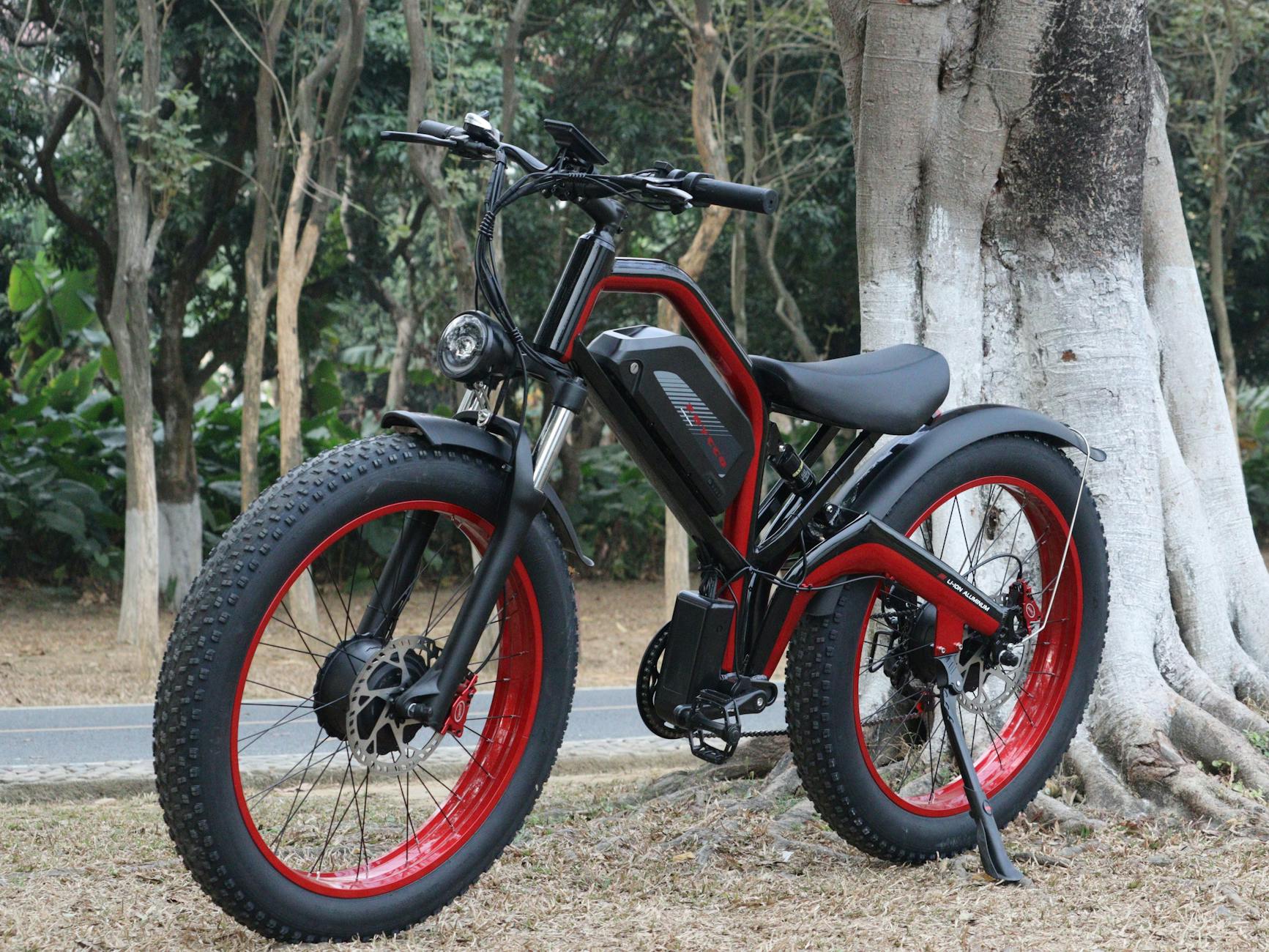
The question of whether to choose a traditional hybrid or an e-bike hybrid deserves careful consideration, as the gap in practicality between these options has widened significantly. Electric assist allows seniors to ride farther, tackle hills that would otherwise be prohibitive, and arrive at destinations without excessive sweating””a genuine concern for riders using bikes for transportation rather than pure exercise. The physical benefits of cycling remain present because pedal-assist systems (as opposed to throttle-only e-bikes) still require the rider to pedal; the motor simply multiplies their effort. However, e-bikes introduce complications that may concern some seniors. Weight is the most immediate issue: a typical e-bike hybrid weighs 45 to 55 pounds, compared to 25 to 35 pounds for an acoustic equivalent.
This weight makes the bike harder to lift onto car racks, carry up stairs, or maneuver in tight spaces. If the battery dies mid-ride, pedaling home becomes substantially more difficult than on a lighter bike. The higher price point””often double or triple the cost of comparable non-electric models””also requires consideration, as does the eventual need to replace the battery, which can cost several hundred dollars. For seniors who want assistance only occasionally, some manufacturers offer hybrid bikes designed to accept add-on conversion kits, allowing the rider to start with a traditional bike and electrify it later if desired. This approach offers flexibility but typically results in a less elegant integration than purpose-built e-bikes.
Maintenance Considerations for Senior Hybrid Bike Owners
Keeping a hybrid bike in safe working condition requires regular attention, and some maintenance tasks are more challenging for seniors with limited hand strength or dexterity. Basic tire inflation, chain lubrication, and brake adjustment fall within reach for most mechanically inclined riders, but tasks like truing wheels, adjusting derailleurs, or bleeding hydraulic brakes often require professional help. Establishing a relationship with a local bike shop that offers tune-up packages can simplify this process””many shops offer annual service plans that include periodic adjustments and safety checks. Tire selection offers an example of how maintenance intersects with comfort.
Wider tires at lower pressures ride more comfortably but require more frequent inflation to maintain performance. Tubeless tire setups eliminate most flat tires but require sealant replacement and can be messy if problems arise. Puncture-resistant tires with Kevlar belts add weight but dramatically reduce roadside repairs. For seniors who want minimal hassle, the combination of puncture-resistant tires and Slime or similar sealant inside the tubes represents a practical compromise.
Future Trends in Senior-Friendly Bicycle Design
The bicycle industry has increasingly recognized seniors as a growth market, and design innovations reflect this shift. Automatic electronic shifting, which requires only a single button press regardless of gear change, eliminates the cognitive load of managing derailleur positioning. Integrated lighting powered by dynamo hubs provides always-available visibility without battery management.
Advanced suspension systems with lockout controls allow riders to choose between efficiency on smooth pavement and comfort on rough surfaces without stopping to make manual adjustments. As of recent industry reports, manufacturers have also begun incorporating more sensor technology into e-bikes, including fall detection and automatic emergency contact notification””features borrowed from smartwatches that could provide peace of mind for seniors riding alone. These innovations remain concentrated in premium price brackets but typically migrate to mid-range offerings within several product cycles.
Conclusion
Choosing the best hybrid bike for a senior rider requires balancing comfort features against individual needs, with frame geometry, gearing, and brakes serving as the most critical considerations. Step-through frames, upright riding positions, and hydraulic disc brakes address the most common concerns older cyclists face, while proper sizing ensures these features deliver their intended benefits. Test riding multiple models remains essential because comfort is subjective and cannot be determined from specifications alone.
The investment in a quality hybrid bike pays dividends in health, independence, and enjoyment for seniors who remain active cyclists. Whether choosing a traditional hybrid or stepping up to an e-bike model, prioritizing fit and the features that matter most for your specific circumstances will lead to better outcomes than chasing any particular brand or model recommendation. Local bike shops with patient staff who understand senior riders’ needs are invaluable resources throughout this process.


