Choosing the best gravel bike pedals for mixed terrain riding can dramatically impact both performance and enjoyment when tackling diverse surfaces. Gravel cycling, by its very nature, throws unpredictable conditions at riders””loose rock, hardpack dirt, muddy singletrack, pavement sections, and everything in between. The pedals beneath your feet serve as the critical connection point between rider and machine, and selecting the wrong type can lead to frustration, inefficiency, or even dangerous situations when the trail turns technical. The pedal decision for gravel riders is more nuanced than for road or mountain biking because mixed terrain demands versatility.
Road cyclists can optimize purely for power transfer and weight, while mountain bikers prioritize mud clearance and walkability. Gravel riders need elements of both, plus the ability to handle spontaneous hike-a-bike sections, cafe stops in cycling shoes, and multi-hour efforts where comfort becomes paramount. This creates a genuine dilemma: clipless systems offer efficiency but vary wildly in their suitability for off-road use, while flat pedals provide flexibility but sacrifice power transfer and foot retention on rough descents. By the end of this article, readers will understand the fundamental differences between pedal systems available for gravel applications, the specific features that matter most for mixed terrain performance, and how to match pedal choice to individual riding style and terrain preferences. The guide covers everything from cleat compatibility and float degrees to platform size and mud-shedding capability, providing the framework needed to make an informed decision that enhances rather than limits your gravel adventures.
Table of Contents
- What Makes Gravel Bike Pedals Different from Road and Mountain Pedals?
- Clipless Pedal Systems for Gravel Terrain Performance
- Flat Pedals as a Gravel Riding Alternative
- Choosing Gravel Pedals Based on Your Riding Style
- Common Gravel Pedal Problems and How to Solve Them
- Pedal and Shoe Compatibility Considerations
- How to Prepare
- How to Apply This
- Expert Tips
- Conclusion
- Frequently Asked Questions
What Makes Gravel Bike Pedals Different from Road and Mountain Pedals?
gravel-specific pedal requirements occupy a middle ground that neither pure road nor traditional mountain bike pedals fully address. Road pedals like Shimano SPD-SL or Look Keo systems use large three-bolt cleats that maximize power transfer through broad contact areas but make walking nearly impossible and clog instantly with mud. Standard cross-country mountain bike pedals often lack the platform stability needed for long gravel rides where riders may not unclip for hours at a time. The defining characteristics of effective gravel pedals center on three factors: retention security across varied conditions, walkability during inevitable off-bike moments, and sufficient platform support for extended riding comfort. Two-bolt SPD-style cleats have emerged as the dominant gravel choice because they recess into shoe soles for walking, engage reliably when covered in debris, and allow for appropriately grippy cycling shoes.
However, the pedal body surrounding that cleat interface varies enormously between designs, and this is where gravel-specific engineering makes its mark. Platform size matters significantly for mixed terrain applications. A larger platform distributes pressure across more of the foot, reducing hot spots during long days and providing stability when standing over rough sections. Many gravel-oriented pedals feature wider bodies than traditional XC race pedals, sometimes incorporating cage-like structures or extended wings that catch the shoe sole beyond the cleat area. This design philosophy accepts slight weight penalties in exchange for practical benefits that accumulate over hours of varied riding.
- Mud clearance mechanisms prevent binding in wet conditions through open designs, recessed springs, and self-cleaning channels
- Float adjustment allows riders to fine-tune rotational freedom, typically ranging from zero to six degrees depending on knee sensitivity
- Dual-sided entry speeds engagement when remounting after technical sections or stops
Clipless Pedal Systems for Gravel Terrain Performance
The clipless pedal market for gravel applications has expanded considerably, with several distinct categories emerging to address different rider priorities. SPD-style two-bolt systems dominate, but within that ecosystem exists substantial variation in platform size, retention mechanism, weight, and intended use case. Shimano’s own SPD lineup illustrates this spectrum effectively. The PD-M520 represents the entry-level workhorse: a compact dual-sided design weighing around 380 grams that has equipped millions of bikes across disciplines. Moving upward, the PD-M540 sheds approximately 30 grams with hollow axles while maintaining the same basic design. The trail-oriented XT PD-M8100 and PD-M8120 models introduce wider platforms and adjustable entry and release tension, with the M8120 adding a substantial cage that extends underfoot support significantly.
This cage design specifically addresses gravel riders who want clipless efficiency with flat pedal-like stability. Beyond Shimano, several manufacturers have developed gravel-specific interpretations. Crankbrothers Eggbeater pedals take minimalism to extremes with four-sided entry and exceptional mud clearance, though their small contact area suits aggressive riders more than comfort-focused tourers. Time ATAC pedals use a distinctive engagement mechanism with generous angular float that many riders find gentler on knees. Look’s X-Track system offers another SPD-compatible option with their own retention design. Wahoo’s Speedplay-derived offerings now include off-road variants with caps that protect the mechanism.
- Retention tension adjustability lets riders balance security against easy release based on skill level and terrain difficulty
- Bearing quality directly impacts longevity, with sealed cartridge bearings lasting significantly longer than cup-and-cone designs in dirty conditions
- Chromoly versus aluminum axles affect both weight and durability, with steel axles bending rather than breaking under impact
Flat Pedals as a Gravel Riding Alternative
While clipless systems receive most attention in gravel discussions, quality flat pedals deserve serious consideration for certain riding styles and terrain profiles. The flat pedal renaissance in mountain biking has produced platforms that, when paired with properly sticky shoes, offer remarkable grip and control without mechanical attachment. Modern flat pedal designs for performance cycling bear little resemblance to the basic platforms found on department store bikes. Thin profiles reduce stack height for better cornering clearance and more natural foot position. Concave shapes cup the foot, preventing lateral sliding. Replaceable pins””typically eight to ten per side””bite into soft rubber shoe soles to create friction-based retention that many riders find surprisingly secure.
Premium options from manufacturers like OneUp, Deity, Race Face, and Chester use large platforms exceeding 100mm in width, providing ample real estate for foot repositioning during long rides. The practical advantages of flat pedals on gravel become apparent in specific scenarios. Technical sections requiring frequent foot dabs allow instant placement without unclipping. Walking through unrideable terrain feels natural in flat-compatible shoes. Riders recovering from knee injuries or those with biomechanical quirks sometimes find unlimited foot movement therapeutic. Beginning gravel riders can develop handling skills without worrying about clipping out during unexpected moments. The weight penalty compared to clipless systems has shrunk considerably, with high-end composite flats weighing under 300 grams per pair.
- Pin height and pattern configuration determine grip level, with taller pins providing more bite at the cost of increased shin danger
- Platform width should roughly match shoe width for optimal support and control
- Bearing types range from loose ball to sealed industrial cartridge, affecting maintenance requirements and service life
Choosing Gravel Pedals Based on Your Riding Style
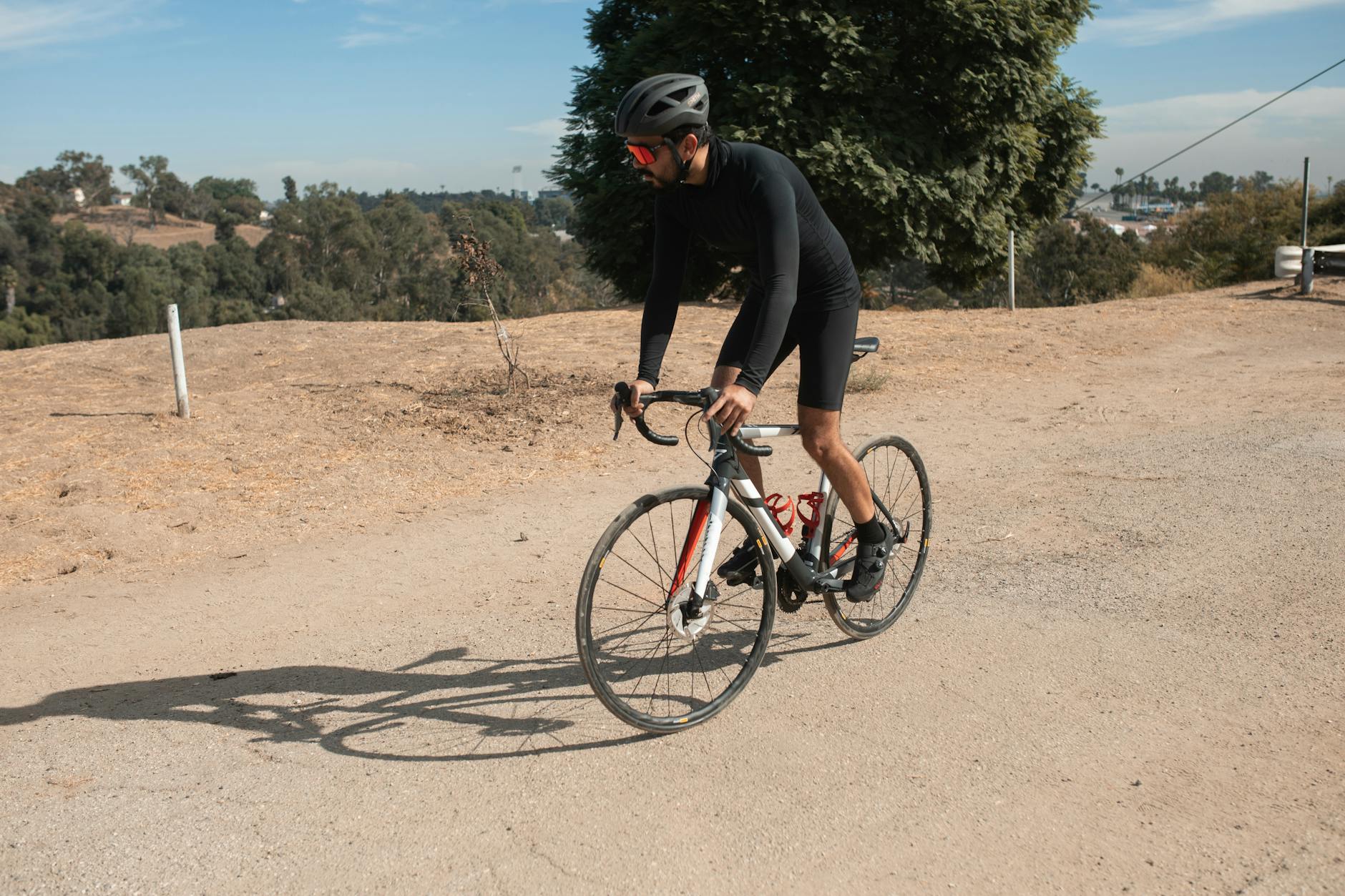
Selecting appropriate pedals requires honest assessment of typical ride characteristics, terrain preferences, and personal priorities. No single pedal suits all gravel riders because the discipline encompasses everything from paved bike paths to technical singletrack. Riders prioritizing speed and efficiency on relatively smooth gravel roads””think rail trails, packed fire roads, or European-style gravel sportives””benefit most from lightweight clipless options without extensive platforms. The Shimano PD-M540, Time ATAC XC, or similar race-oriented designs maximize power transfer while maintaining necessary walkability for occasional dismounts.
These riders typically accumulate significant mileage, value every gram saved, and encounter few situations demanding instant foot freedom. Conversely, riders tackling genuinely technical mixed terrain with steep grades, loose conditions, and potential hike-a-bike sections benefit from more substantial platforms or even flat pedals. The additional stability pays dividends when descending chunky surfaces or picking through rock gardens, and easier foot release reduces anxiety during challenging moments. Shimano’s XT PD-M8120, Crankbrothers Mallet series, or quality flat platforms serve these riders well. Gravel racers covering ultra-distance events sometimes opt for this category too, as minor efficiency losses matter less than cumulative comfort and confidence over twelve or more hours.
- Commuting and utility gravel riding often favors flat pedals due to varied footwear requirements
- Gravel races with cutoff times may warrant lighter, more efficient clipless systems
- Adventure and bikepacking applications benefit from serviceability and durability over outright weight savings
Common Gravel Pedal Problems and How to Solve Them
Several issues repeatedly surface among gravel riders regardless of pedal choice, and understanding these problems helps inform both selection and maintenance decisions. Mud and debris accumulation tops the list, as wet conditions can render even quality clipless pedals temporarily unusable. Engagement failures in muddy conditions stem from debris packing into the retention mechanism. Open pedal designs with minimal spring housing resist this better than enclosed systems. The Crankbrothers four-sided entry mechanism excels here because mud simply passes through rather than collecting. Shimano SPD pedals benefit from periodic mid-ride dunking in streams or puddles to flush accumulated grit.
Some riders carry small brushes for trailside clearing during particularly filthy rides. Adjusting spring tension toward the looser end of the range can also help marginal engagement in contaminated conditions. Hot spots and foot numbness plague long-distance gravel riders, particularly those using small-platform clipless pedals. The concentrated pressure point beneath the cleat compresses nerves and restricts blood flow over hours of pedaling. Solutions include wider platform pedals, stiffer shoe soles that better distribute loads, and slight cleat repositioning rearward on the shoe. Some riders rotate between two or three different shoes during ultra-events to vary pressure points. Flat pedal users can actively move foot position during rides, which clipless systems don’t permit without unclipping.
- Cleat wear accelerates rapidly with frequent walking; carry spares on multi-day trips and inspect mounting hardware regularly
- Bearing contamination in wet conditions requires more frequent service intervals than road cycling applications
- Knee pain often relates to cleat angle and float settings, requiring patient experimentation to resolve

Pedal and Shoe Compatibility Considerations
The pedal choice only represents half the equation””gravel-appropriate shoes must partner effectively with selected pedal systems. This compatibility extends beyond simple cleat mounting to encompass sole stiffness, tread pattern, and walking comfort. Two-bolt SPD-compatible shoes designed for gravel riding have proliferated alongside the discipline’s growth. These typically feature moderately stiff soles that balance pedaling efficiency against walkability, recessed cleat channels that protect hardware during hike-a-bike sections, and lugged rubber outsoles that grip on loose terrain. Pure road shoes with three-bolt compatibility simply don’t work for serious mixed terrain, while aggressive mountain bike shoes may prove stiffer and heavier than necessary.
The emerging category of gravel-specific footwear””from manufacturers like Giro, Shimano, Specialized, and Fizik””specifically addresses these requirements with thoughtful tread patterns and appropriate flex characteristics. Flat pedal shoe selection differs considerably, prioritizing sticky rubber compounds over sole stiffness. Five Ten’s Stealth rubber has become the industry benchmark, with their Freerider and similar models providing exceptional grip on pedal pins. Ride Concepts, Etnies, and other brands offer alternatives with comparable performance. These shoes sacrifice some pedaling efficiency compared to stiff cycling shoes but enable unlimited foot movement and instant ground contact when needed.
How to Prepare
- **Install pedals with appropriate torque and anti-seize compound.** Apply a thin layer of anti-seize or grease to pedal threads before installation, then torque to manufacturer specifications””typically 30-35 Nm. This prevents seizing in the crank arm while ensuring secure attachment through vibration and impacts.
- **Set initial spring tension conservatively.** Begin with tension screws at the middle or lower range of adjustment. Test engagement and release multiple times in a safe environment before riding. Increase tension only if experiencing unintentional release during hard efforts.
- **Position cleats for neutral foot alignment.** Mount cleats with the shoe naturally positioned on the pedal, avoiding toe-in or toe-out unless correcting specific biomechanical issues. Fore-aft position typically places the cleat center beneath the ball of the foot, though some riders prefer slight rearward positioning for comfort.
- **Break in new clipless systems gradually.** First rides with unfamiliar pedals should occur on low-traffic, non-technical terrain. Practice engaging and releasing repeatedly until the motion becomes automatic. Muscle memory prevents panic during unexpected situations.
- **Inspect all hardware before significant rides.** Check cleat mounting bolts, pedal attachment to cranks, and mechanism function. Carry appropriate tools for trailside adjustment””typically a 4mm Allen key for cleats and 15mm wrench or 8mm Allen for pedal removal.
How to Apply This
- **Match pedal choice to primary terrain type.** Assess what surfaces constitute the majority of typical rides and weight selection toward that use case. A pedal optimized for rare conditions compromises everyday performance.
- **Test different float settings systematically.** Ride at least fifty miles at each adjustment before evaluating. Knee comfort often doesn’t manifest immediately, and premature changes prevent accurate assessment.
- **Develop reliable engagement habits.** Whether clipless or flat, consistent foot placement improves efficiency and safety. Practice finding pedals by feel without looking down, and establish a preferred leading foot for mounting.
- **Establish maintenance schedules based on conditions.** Wet and muddy riding demands service every few weeks or after particularly filthy rides. Dry conditions allow longer intervals, but annual bearing inspection remains important regardless.
Expert Tips
- Carry a spare cleat and mounting bolts during multi-day rides or remote adventures; damaged cleats can end a trip prematurely, and replacement hardware weighs almost nothing.
- Consider owning two pedal types for genuinely different riding styles””swapping pedals takes under five minutes and allows optimization for specific events or conditions rather than accepting compromise.
- Weight savings in pedals rank among the least impactful upgrades for typical gravel riding; prioritizing function over grams almost always produces better real-world results.
- When transitioning from road cycling, expect a learning curve with smaller gravel pedals; the reduced target size and different shoe interface requires adaptation regardless of clipless experience.
- Test pedal and shoe combinations on technical terrain before important events; some pairings that feel secure on smooth roads reveal engagement issues when jarring impacts complicate the connection.
Conclusion
Selecting the best gravel bike pedals for mixed terrain riding ultimately comes down to understanding personal priorities, typical terrain, and the specific tradeoffs each system presents. Clipless SPD-style pedals offer the most versatile foundation for most gravel riders, with platform size and retention mechanism design creating meaningful differences between otherwise similar-looking options. Flat pedals provide a legitimate alternative for riders prioritizing flexibility, technical terrain confidence, or varied footwear requirements.
The financial investment in quality pedals pays returns across years of reliable service. Unlike components that wear rapidly or become obsolete, well-maintained pedals from reputable manufacturers continue performing through countless miles of varied terrain. Spending time researching options, understanding individual needs, and perhaps testing different systems produces far better long-term satisfaction than impulse purchases or following trends. Whatever system you choose, remember that the best pedal is ultimately the one that disappears beneath you””providing secure, comfortable connection while demanding zero conscious attention as you focus on the gravel ahead.
Frequently Asked Questions
How long does it typically take to see results?
Results vary depending on individual circumstances, but most people begin to see meaningful progress within 4-8 weeks of consistent effort. Patience and persistence are key factors in achieving lasting outcomes.
Is this approach suitable for beginners?
Yes, this approach works well for beginners when implemented gradually. Starting with the fundamentals and building up over time leads to better long-term results than trying to do everything at once.
What are the most common mistakes to avoid?
The most common mistakes include rushing the process, skipping foundational steps, and failing to track progress. Taking a methodical approach and learning from both successes and setbacks leads to better outcomes.
How can I measure my progress effectively?
Set specific, measurable goals at the outset and track relevant metrics regularly. Keep a journal or log to document your journey, and periodically review your progress against your initial objectives.
When should I seek professional help?
Consider consulting a professional if you encounter persistent challenges, need specialized expertise, or want to accelerate your progress. Professional guidance can provide valuable insights and help you avoid costly mistakes.
What resources do you recommend for further learning?
Look for reputable sources in the field, including industry publications, expert blogs, and educational courses. Joining communities of practitioners can also provide valuable peer support and knowledge sharing.


