Gravel bike gearing options have become one of the most debated topics among cyclists venturing beyond paved roads, with the choice between 1x and 2x drivetrains sitting at the center of countless forum discussions, bike shop conversations, and purchasing decisions. As gravel cycling has evolved from a niche pursuit into one of the fastest-growing segments of the cycling industry, manufacturers have responded with increasingly sophisticated drivetrain options designed to handle everything from smooth dirt roads to technical singletrack and steep mountain passes. Understanding the fundamental differences between single and double chainring setups is essential for anyone looking to optimize their gravel bike for the terrain they actually ride. The question of which drivetrain configuration works best addresses several practical concerns that affect every ride. Gear range determines whether you can spin up a steep gravel climb without destroying your knees or maintain efficient cadence on a fast descent.
The spacing between gears influences how smoothly you can find the right resistance when conditions change rapidly””a common occurrence on unpaved surfaces. Weight, mechanical simplicity, and maintenance requirements all factor into the equation, particularly for riders who venture far from civilization where a mechanical failure could end a ride or leave them stranded. By the end of this article, readers will have a clear understanding of how 1x and 2x drivetrains differ in construction, performance, and real-world application. The discussion covers gear range calculations, shifting behavior, weight considerations, and the specific scenarios where each system excels. Whether building a new gravel bike from scratch, upgrading an existing setup, or simply trying to understand what all the fuss is about, this comprehensive comparison provides the technical foundation and practical guidance needed to make an informed decision.
Table of Contents
- What Are the Key Differences Between 1x and 2x Gravel Bike Drivetrains?
- Gear Range Analysis for Gravel Riding: Calculating Your High and Low Limits
- Gear Spacing and Cadence Control on Unpredictable Terrain
- How to Choose Between 1x and 2x for Your Gravel Riding Style
- Drivetrain Weight and Mechanical Reliability Considerations
- Electronic and Mechanical Shifting Options for Gravel Drivetrains
- How to Prepare
- How to Apply This
- Expert Tips
- Conclusion
- Frequently Asked Questions
What Are the Key Differences Between 1x and 2x Gravel Bike Drivetrains?
The fundamental distinction between 1x and 2x drivetrains lies in the number of chainrings mounted to the crankset. A 1x system uses a single chainring at the front””typically ranging from 38 to 44 teeth for gravel applications””paired with a wide-range cassette containing 10 to 13 cogs at the rear. A 2x system employs two chainrings, commonly in configurations like 46/30 or 48/31, combined with a cassette that generally offers tighter spacing between gears. This architectural difference creates cascading effects on shifting behavior, gear range, weight, and mechanical complexity. Modern 1x drivetrains rely on narrow-wide chainring tooth profiles and clutch-equipped rear derailleurs to maintain chain retention without the need for a front derailleur.
The alternating pattern of wide and narrow teeth on the chainring engages the chain more securely, while the clutch mechanism in the rear derailleur applies constant tension to prevent chain slap and drops on rough terrain. Cassettes for 1x systems have expanded dramatically, with current options offering spreads from 10-44, 10-50, or even 10-52 teeth to compensate for the absence of a second chainring. The 2x configuration maintains the traditional road cycling approach of using the front derailleur for large ratio changes and the rear derailleur for fine-tuning. Gravel-specific 2x systems typically feature sub-compact chainring combinations with smaller inner rings than road bikes””30 or 31 teeth versus the road standard of 34″”to provide lower climbing gears. The cassettes paired with these systems tend toward 11-34 or 11-36 tooth ranges, offering closer spacing between gears that some riders prefer for maintaining optimal cadence.
- **Chainring count**: 1x uses one front chainring; 2x uses two
- **Chain retention**: 1x relies on narrow-wide teeth and clutch derailleurs; 2x uses a front derailleur cage
- **Cassette range**: 1x typically requires wider-range cassettes (10-44 or larger); 2x functions with tighter cassettes (11-34 typical)

Gear Range Analysis for Gravel Riding: Calculating Your High and Low Limits
Gear range, expressed as a percentage, measures the difference between a drivetrain’s easiest and hardest gears. A wider gear range provides more versatility across varied terrain but often comes with trade-offs in gear spacing. To calculate gear range, divide the highest gear ratio by the lowest gear ratio, subtract one, and multiply by one hundred. Understanding these numbers helps riders determine whether a given setup will handle their local terrain without leaving them spinning out on descents or grinding to a halt on climbs. Consider a 1x setup with a 42-tooth chainring and an 11-50 cassette. The hardest gear (42/11) produces a ratio of 3.82, while the easiest gear (42/50) yields 0.84. This creates a gear range of approximately 355 percent.
Now examine a 2x setup with 46/30 chainrings and an 11-34 cassette. The hardest gear (46/11) gives 4.18, and the easiest (30/34) provides 0.88, resulting in a gear range of roughly 375 percent. The 2x system in this example actually offers slightly more total range, though the practical difference is marginal. What the raw percentages obscure is the distribution of that range. The 1x system in the example provides a lower bottom gear (0.84 versus 0.88), which translates to easier spinning on steep climbs. The 2x system offers a higher top gear (4.18 versus 3.82), beneficial for fast descents or tailwind-assisted flats. Riders must consider where they need the gears most””those who prioritize climbing might prefer the lower absolute floor of a well-configured 1x, while riders covering rolling terrain with fast sections might value the higher ceiling of a 2x.
- **1x typical range**: 350-450% with modern wide-range cassettes
- **2x typical range**: 350-400% with sub-compact chainrings and standard cassettes
- **Low gear comparison**: 1x often provides lower absolute climbing gears; 2x requires intentional chainring selection to match
Gear Spacing and Cadence Control on Unpredictable Terrain
While total gear range captures the extremes of a drivetrain, gear spacing””the percentage jump between adjacent cogs””determines how precisely a rider can dial in their preferred cadence. Gravel riding presents constantly shifting conditions: loose climbs that demand smooth power application, hardpack sections where speed builds quickly, and variable gradients that require frequent gear changes. The spacing between gears directly affects how well a rider can respond to these changes without significant cadence disruptions. A 2x drivetrain with an 11-34 cassette typically offers jumps of 8-15 percent between adjacent gears through most of the range, with smaller steps in the middle of the cassette where riders spend most of their time. An 11-speed cassette in this configuration might progress as 11-12-13-14-15-17-19-21-24-28-34, providing tight spacing through the commonly used middle gears.
When the terrain calls for a significant effort change, the front derailleur handles the large jump, allowing the rider to stay in the cassette’s sweet spot. The 1x approach necessitates larger jumps between gears to achieve comparable range. A 10-50 12-speed cassette might progress as 10-12-14-16-18-21-24-28-33-39-45-50, creating jumps of 15-20 percent in the middle of the range and 25+ percent between the largest cogs. Riders accustomed to road cycling’s tight spacing often notice this during tempo efforts on rolling terrain, where the perfect gear seems to fall between two available options. However, many gravel riders report that the variable terrain masks these larger jumps””when the surface constantly changes, cadence fluctuations matter less than on smooth pavement.
- **2x advantage**: Closer gear spacing, especially in mid-range gears used for sustained efforts
- **1x reality**: Larger jumps between gears, particularly noticeable on consistent gradient terrain
- **Practical consideration**: Variable gravel surfaces often minimize the perceived impact of wider spacing

How to Choose Between 1x and 2x for Your Gravel Riding Style
Selecting the appropriate drivetrain requires honest assessment of the terrain you ride, your physical capabilities, and your priorities regarding simplicity versus optimization. Riders tackling mountainous gravel routes with extended climbs exceeding 15 percent gradient benefit from the ultra-low gearing achievable with 1x systems paired with large cassettes. Those covering primarily rolling or flat terrain with occasional punchy climbs often find that 2x provides more usable gears in the ranges they actually need. Fitness level and preferred cadence play significant roles in this decision. Stronger riders who can power through moderately steep grades at lower cadences have less need for extremely low gears””they might find a 2x system with its tighter spacing better suited to their riding style.
Cyclists who prefer higher cadences, those with knee concerns, or anyone tackling grades that exceed their power-to-weight ratio will appreciate the bail-out gears that wide-range 1x cassettes provide. Consider your lowest sustainable cadence and calculate whether available gearing keeps you above that threshold on your steepest local climbs. The simplicity argument favors 1x systems, particularly for riders who dislike fiddling with equipment or frequently ride in conditions that punish mechanical complexity. Without a front derailleur, cables, and associated hardware, there are fewer components to adjust, maintain, and potentially fail. The reduced cockpit clutter””a single shifter rather than two””appeals to riders who value clean aesthetics and straightforward operation. However, modern 2x systems have become remarkably reliable, and the front shifting penalty that plagued earlier generations has largely been engineered away by current hydraulic and electronic systems.
- **Choose 1x if**: You prioritize simplicity, ride technical terrain, face steep climbs, or prefer minimal maintenance
- **Choose 2x if**: You value tight gear spacing, ride varied terrain with fast sections, or already own compatible equipment
- **Hybrid consideration**: Some riders run 2x for events and 1x for casual riding, swapping components between frames
Drivetrain Weight and Mechanical Reliability Considerations
Weight differences between comparable 1x and 2x systems have narrowed considerably as component technology has advanced, though 1x typically maintains a slight advantage. Removing the front derailleur, shift cable, housing, and second chainring saves approximately 150-250 grams depending on the components in question. However, the wide-range cassettes required for effective 1x range partially offset these savings””a 10-50 cassette weighs 80-120 grams more than an 11-34 cassette. The net weight savings for 1x generally falls in the 50-150 gram range for complete drivetrain systems. Mechanical reliability involves multiple factors beyond simple component count. The clutch mechanism in 1x rear derailleurs adds complexity compared to traditional derailleurs but dramatically improves chain security on rough terrain””a reliability gain for gravel conditions.
The absence of front derailleur issues (mis-shifts, rubbing, cable stretch) eliminates a common source of frustration and trailside adjustments. Chain wear patterns differ between the systems: 1x drivetrains can develop uneven cassette wear since certain cogs receive disproportionate use, while 2x systems distribute wear across more chainring and cassette combinations. Cross-chaining concerns””running the chain at extreme angles by using the big chainring with the biggest cogs or small chainring with smallest cogs””represent a theoretical efficiency loss and accelerated wear pattern in 2x systems. Modern chain and cassette designs have minimized these concerns, but riders who habitually cross-chain will experience faster drivetrain wear. The 1x configuration eliminates cross-chaining entirely since only one chainring exists, producing consistent chainline regardless of gear selection. For riders who prefer not to think about which gear combinations to avoid, 1x removes this mental overhead.
- **Weight advantage**: 1x typically saves 50-150 grams complete
- **Reliability factors**: Fewer components in 1x versus proven designs in 2x; both systems are highly reliable when properly maintained
- **Chainline considerations**: 1x eliminates cross-chaining; 2x requires awareness of inefficient gear combinations
Electronic and Mechanical Shifting Options for Gravel Drivetrains
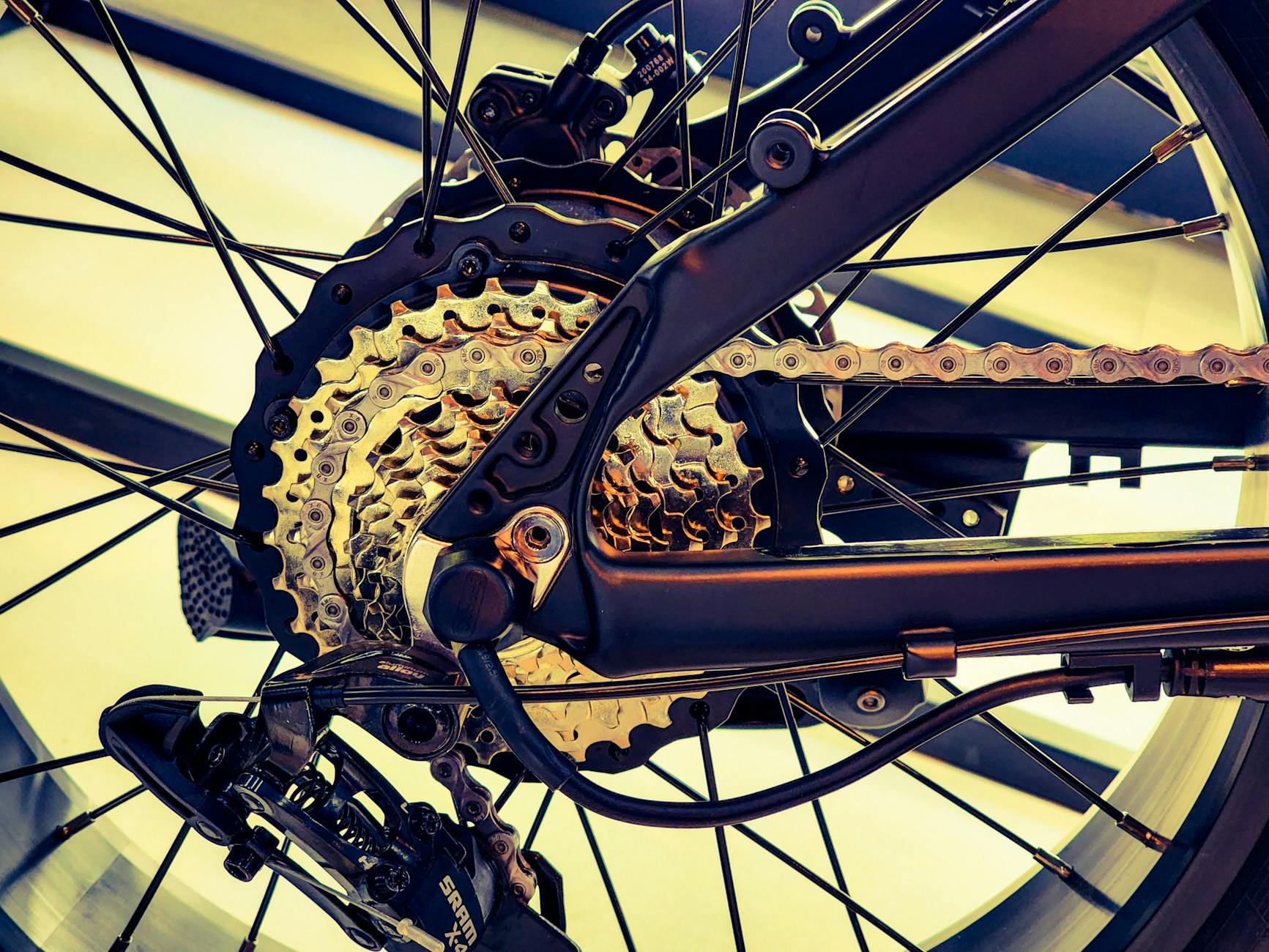
The introduction of electronic shifting has added another dimension to the 1x versus 2x discussion, with both SRAM and Shimano offering wireless or semi-wireless options across their gravel-focused groupsets. SRAM’s AXS platform provides both 1x (XPLR) and 2x configurations with identical ergonomics, allowing riders to switch between setups without relearning shift patterns. Shimano’s GRX Di2 line offers refined 2x electronic shifting with the option to block the front derailleur in a single position for quasi-1x operation. Campagnolo Ekar represents the first groupset designed exclusively as a 1x system, built from the ground up without 2x compatibility. Electronic front derailleurs have largely solved the poor shifting reputation that plagued mechanical systems, particularly when shifting under load. The motor-driven movement provides consistent, powerful shifts regardless of cable tension or housing friction.
Riders who previously dismissed 2x due to frustrating front shifts may find electronic versions change their perspective. The added cost and battery management requirements represent the primary drawbacks, though battery life typically spans multiple long rides between charges. For events or remote riding where battery failure would be catastrophic, mechanical systems retain appeal. Mechanical systems continue to offer excellent value and proven reliability. Shimano’s GRX 800 and 600 series provide refined 2x mechanical performance at price points well below electronic equivalents. SRAM’s mechanical options focus primarily on 1x configurations through their Apex, Rival, and Force XPLR lines. Budget-conscious builders can assemble highly functional gravel drivetrains using either philosophy for under $500 in components, with performance that would have been flagship-level just five years ago.
How to Prepare
- **Document your local terrain**: Ride your regular routes with a GPS device that records gradient data. Note the steepest sustained climbs and the longest descents. Most cycling computers display real-time grade percentage””pay attention to the maximum grades you encounter and how long they last. This data directly informs what low gears you need.
- **Determine your preferred cadence range**: During a few rides, note your comfortable cadence on climbs and flats. Most cyclists prefer 80-100 RPM, but individual variation exists. Use an online gear calculator to determine what gearing combinations allow your preferred cadence at your typical climbing speeds. If your lowest gear forces cadences below 60 RPM on regular climbs, the gearing is too high.
- **Inventory your current equipment**: Assess what components you already own and their compatibility with different drivetrain options. Freehub body standards (Shimano HG, SRAM XD, Shimano Microspline) limit cassette choices. Crankset spindle interfaces must match bottom bracket standards. Understanding these compatibility requirements prevents ordering incompatible parts.
- **Set a realistic budget**: Price complete groupsets and individual components from reputable sources. A full 2x mechanical groupset costs $400-1,200 depending on tier. Electronic systems add $400-800 to equivalent mechanical versions. Budget for cassettes, chains, and brake pads as consumable items that require periodic replacement.
- **Test ride both systems if possible**: Many bike shops maintain demo bikes with different drivetrains. Rental fleets and demo days at events provide opportunities to experience 1x and 2x setups on actual gravel terrain. A few hours of real-world comparison reveals more than any specification sheet.
How to Apply This
- **Match chainring size to your climbing needs**: For 1x systems, select a chainring 2-4 teeth smaller than your standard road gearing if your routes include significant climbing. A rider comfortable with 50/34 road gearing might choose a 40 or 42-tooth gravel chainring. For 2x, sub-compact options (46/30 or 48/31) provide better climbing than standard compact gearing.
- **Optimize cassette selection for your terrain profile**: Flat and rolling terrain riders can use tighter cassettes (11-34 or 11-36) for better gear spacing. Mountain and steep-terrain riders should prioritize range with cassettes reaching 42, 44, or 50+ teeth at the large end. Some manufacturers offer multiple cassette options within the same groupset tier.
- **Configure your shifter reach and positioning**: Both 1x and 2x systems benefit from proper lever setup. Adjust reach to allow comfortable shifting from the hoods and drops. For 2x systems, consider swapping to a single shift lever (SRAM) or using sequential shifting modes (Shimano Di2) if front shifting complexity deters you.
- **Establish a maintenance schedule**: 1x drivetrains require regular chain monitoring since all wear concentrates on one chainring. Check chain stretch every 500-1,000 miles and replace before 0.5% wear to preserve cassette life. 2x systems spread wear more evenly but require periodic front derailleur cable tension and limit screw adjustments.
Expert Tips
- **Consider a mullet drivetrain for maximum range**: Combining a road-style crankset (1x or 2x) with a mountain bike rear derailleur and cassette creates gear ranges impossible with pure road or gravel components. A 40T chainring with a 10-52 cassette provides lower gears than any stock gravel groupset while maintaining acceptable high gears.
- **Narrow-wide chainrings work on 2x cranksets**: Riders who want 1x simplicity without buying a new crankset can remove the outer chainring, install a narrow-wide ring in the inner position, and remove the front derailleur. This approach works best with 110/4 BCD cranksets where aftermarket narrow-wide rings are readily available.
- **Chain length matters more with 1x**: The wide cassette range in 1x systems creates significant chain wrap differences between extreme gears. Proper chain length””tested in the big/big combination with two additional links””prevents rear derailleur damage and ensures smooth shifting across the full range.
- **Front derailleur trim eliminates most rubbing issues in 2x**: Modern front derailleurs offer multiple trim positions accessed through partial shift lever throws. Learning to use trim prevents chain rub in cross-chained positions and makes 2x operation nearly as simple as 1x for daily riding.
- **Cassette wear patterns indicate usage**: When replacing a 1x cassette, examine which cogs show the most wear. If middle cogs are significantly more worn than climbing or descending gears, the chainring size is well-matched to typical riding. If extreme cogs show heavy wear, consider adjusting chainring size to shift usage toward the middle of the cassette.
Conclusion
The choice between 1x and 2x drivetrains for gravel cycling ultimately depends on individual priorities rather than objective superiority of either system. Both configurations have been refined to exceptional levels of performance, with gear ranges adequate for challenging terrain and reliability suitable for remote adventures. The 1x approach rewards riders who value simplicity, clean aesthetics, and lower maintenance with competent performance across diverse conditions. The 2x configuration serves riders who prioritize precise cadence control, need both ultra-low climbing gears and high-speed capabilities, or simply prefer the familiar operation of a double chainring setup.
Neither choice is permanent for most riders. Frames accept both configurations with minor adjustments, and the cycling industry’s standardization of mounting interfaces means swapping between systems requires neither exotic tools nor professional assistance. Riders uncertain about their preference can choose one system, evaluate its performance over a season of riding, and adjust based on experience. The best gravel bike gearing is whatever setup allows you to complete the rides you want to do while enjoying the process””whether that means the straightforward operation of a single chainring or the flexibility of a traditional double.
Frequently Asked Questions
How long does it typically take to see results?
Results vary depending on individual circumstances, but most people begin to see meaningful progress within 4-8 weeks of consistent effort. Patience and persistence are key factors in achieving lasting outcomes.
Is this approach suitable for beginners?
Yes, this approach works well for beginners when implemented gradually. Starting with the fundamentals and building up over time leads to better long-term results than trying to do everything at once.
What are the most common mistakes to avoid?
The most common mistakes include rushing the process, skipping foundational steps, and failing to track progress. Taking a methodical approach and learning from both successes and setbacks leads to better outcomes.
How can I measure my progress effectively?
Set specific, measurable goals at the outset and track relevant metrics regularly. Keep a journal or log to document your journey, and periodically review your progress against your initial objectives.
When should I seek professional help?
Consider consulting a professional if you encounter persistent challenges, need specialized expertise, or want to accelerate your progress. Professional guidance can provide valuable insights and help you avoid costly mistakes.
What resources do you recommend for further learning?
Look for reputable sources in the field, including industry publications, expert blogs, and educational courses. Joining communities of practitioners can also provide valuable peer support and knowledge sharing.