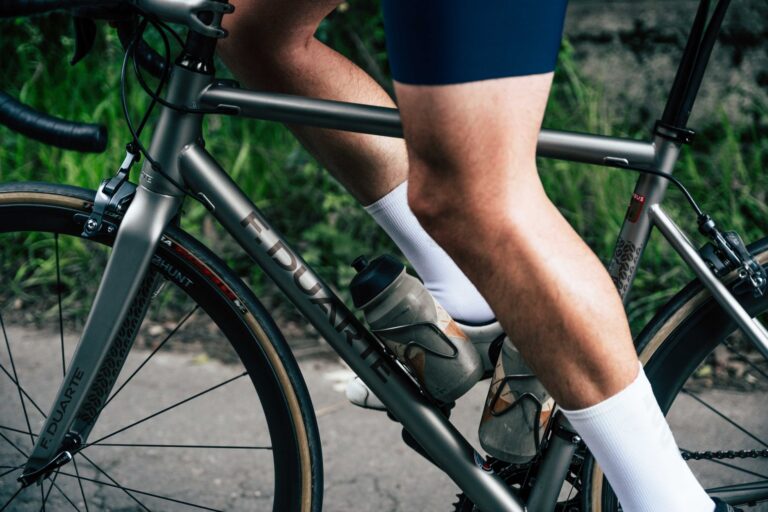
Finding the best road bike trainers for indoor winter training can transform the cold, dark months from a frustrating fitness setback into an opportunity for structured improvement. When temperatures drop and roads become hazardous with ice, snow, or reduced visibility, cyclists face a choice: lose hard-earned fitness gains or move their training indoors. The indoor trainer market has evolved dramatically over the past decade, offering everything from budget-friendly wheel-on units to sophisticated direct-drive smart trainers that replicate outdoor riding with remarkable accuracy. The decision to invest in an indoor trainer addresses several practical problems that winter presents to dedicated cyclists. Road conditions become unpredictable, daylight hours shrink, and the physiological stress of riding in extreme cold can outweigh the training benefits.
Indoor training eliminates these variables while introducing new advantages: consistent conditions for structured workouts, the ability to target specific power zones without interruption, and integration with virtual training platforms that add engagement to what might otherwise be monotonous sessions. For competitive cyclists, maintaining base fitness through winter often determines performance when racing season returns. This article examines the different categories of indoor bike trainers available, the technology that differentiates them, and the factors that should guide your purchase decision. By the end, you will understand the distinctions between trainer types, know which specifications matter most for your goals, and have practical guidance for setting up an effective indoor training space. Whether you are a competitive racer maintaining peak fitness or a recreational rider seeking to stay active through winter, the right trainer setup makes indoor cycling productive and sustainable.
Table of Contents
- What Types of Road Bike Trainers Work Best for Indoor Winter Training?
- Understanding Smart Trainer Technology and Power Accuracy for Indoor Cycling
- Evaluating Noise Levels and Trainer Stability for Apartment and Home Use
- How to Choose the Right Indoor Trainer for Your Winter Training Goals
- Common Problems with Indoor Bike Trainers and How to Solve Them
- Integrating Indoor Trainers with Virtual Training Platforms
- How to Prepare
- How to Apply This
- Expert Tips
- Conclusion
- Frequently Asked Questions
What Types of Road Bike Trainers Work Best for Indoor Winter Training?
Indoor bike trainers fall into three primary categories, each with distinct characteristics that affect performance, price, and user experience. Wheel-on trainers clamp onto your rear wheel and create resistance through a roller pressing against the tire. Direct-drive trainers replace your rear wheel entirely, with your chain engaging a cassette mounted on the trainer itself. Roller drums, the third category, require you to balance your entire bike on rotating cylinders, most closely mimicking outdoor riding dynamics but demanding more skill and attention. Wheel-on trainers represent the most affordable entry point, with basic models starting around $100 and smart versions reaching $500.
These trainers work with your existing wheel setup and take minimal time to install. The tradeoffs include tire wear, potential slippage during high-power efforts, and somewhat less accurate power measurement. Direct-drive trainers, ranging from $500 to over $1,500, eliminate tire wear concerns and provide more consistent resistance and power accuracy. The direct mechanical connection between chain and trainer means no slippage and typically quieter operation. For serious winter training where power accuracy and repeatability matter, direct-drive units have become the standard recommendation.
- **Wheel-on trainers**: Lower cost, portable, causes tire wear, less accurate power measurement
- **Direct-drive trainers**: Higher accuracy, quieter, no tire wear, requires removing rear wheel and often a dedicated cassette
- **Rollers**: Excellent for technique and warm-ups, requires balance skill, less suitable for high-intensity intervals

Understanding Smart Trainer Technology and Power Accuracy for Indoor Cycling
Smart trainers represent the most significant advancement in indoor cycling technology, incorporating electronic resistance control and connectivity features that transform static training into interactive experiences. These units communicate with devices via ANT+ and Bluetooth protocols, transmitting real-time data including power output, cadence, and speed. More importantly, smart trainers receive commands from training applications, automatically adjusting resistance to simulate terrain, execute structured workouts, or match the demands of virtual racing environments. Power accuracy varies significantly across trainer models and price points.
Entry-level smart trainers typically claim accuracy within plus or minus 3-5%, while premium units achieve plus or minus 1% or better. This accuracy matters because training with power relies on consistent, repeatable measurements. If your trainer reads 250 watts today but the same effort shows 260 watts tomorrow, the data becomes unreliable for tracking fitness or executing precise intervals. Manufacturers achieve better accuracy through strain gauge technology rather than estimated power calculations, and through rigorous factory calibration. Trainers from Wahoo, Tacx, and Elite at the $800+ price point generally deliver accuracy comparable to standalone power meters.
- **ERG mode**: Trainer automatically adjusts resistance to maintain target power regardless of cadence
- **Simulation mode**: Resistance changes to replicate grade percentages, creating realistic climbing and descending
- **Power accuracy**: Premium trainers achieve plus or minus 1%, essential for serious training
- **Connectivity**: ANT+ and Bluetooth allow pairing with computers, phones, tablets, and head units simultaneously
Evaluating Noise Levels and Trainer Stability for Apartment and Home Use
Noise output and physical stability deserve careful consideration, particularly for cyclists training in shared living spaces or upper-floor apartments. Early magnetic trainers produced a distinctive high-pitched whine that made indoor training antisocial at best and neighbor-enraging at worst. Modern direct-drive trainers have dramatically reduced noise levels, with the best units producing sound levels comparable to a conversation””around 60-65 decibels at moderate intensity. Fluid resistance trainers fall somewhere between, quieter than magnetic but not as silent as belt-driven direct-drive designs. Floor vibration transmits noise more effectively than airborne sound in many buildings.
A trainer operating at acceptable decibel levels can still disturb neighbors below if vibrations travel through the floor structure. Addressing this requires isolation through dense rubber mats, purpose-built rocker plates, or multi-layer isolation platforms. Trainer stability also affects your riding experience and safety. Models with wider leg spans and heavier frames resist lateral movement during out-of-saddle efforts. Some trainers incorporate lateral flex or rocker mechanisms that allow the bike to move naturally, reducing hip strain during long sessions while maintaining overall stability.
- Decibel ratings vary from 55 dB for premium direct-drive to 75+ dB for basic magnetic units
- Floor mats of 6mm+ thickness reduce vibration transmission significantly
- Flywheel weight affects ride feel: heavier flywheels (15+ lbs) provide smoother, more realistic inertia
- Wider trainer legs improve stability but increase space requirements

How to Choose the Right Indoor Trainer for Your Winter Training Goals
Selecting an appropriate trainer requires honest assessment of your training objectives, budget constraints, and practical circumstances. Competitive cyclists who follow structured training plans with specific power targets benefit most from accurate smart trainers with reliable ERG mode functionality. Recreational riders primarily seeking winter fitness maintenance may find that simpler, less expensive options deliver sufficient value. Virtual racing participants on platforms like Zwift or RGT require trainers with robust wireless connectivity and responsive resistance changes to compete fairly.
Budget allocation should account for the complete indoor training ecosystem, not just the trainer itself. A dedicated rear wheel or cassette for direct-drive trainers, a quality floor mat, a fan for cooling, and potentially a subscription to training software all add to the total investment. A $1,200 trainer paired with inadequate cooling becomes an uncomfortable experience that discourages consistent use. Conversely, a $600 trainer combined with good ventilation, entertainment options, and a structured training program can deliver excellent results. Consider where marginal dollars provide the most value for your specific situation.
- **For structured power-based training**: Prioritize power accuracy and ERG mode responsiveness
- **For virtual racing and group rides**: Prioritize gradient simulation range and resistance change speed
- **For general fitness and casual use**: Basic smart features may suffice; consider total ecosystem cost
- **For limited space or travel**: Look at portable options and quick-release mounting systems
Common Problems with Indoor Bike Trainers and How to Solve Them
Drivetrain wear accelerates during indoor trainer use due to increased sweat exposure, consistent load on specific gear combinations, and the absence of natural lubrication that comes from varying conditions outdoors. Sweat contains salt and acids that corrode metal components quickly. Protecting your drivetrain requires wiping down the bike after every session, using a sweat guard over the handlebars and top tube, and maintaining more frequent chain lubrication schedules than outdoor riding demands. Some cyclists dedicate a specific bike to indoor use, accepting wear on that machine to preserve their primary outdoor bike.
Heat buildup presents a significant challenge because indoor training lacks the cooling airflow that outdoor riding provides. Even at moderate intensities, core temperature rises rapidly without adequate ventilation. Insufficient cooling leads to elevated heart rates for a given power output, premature fatigue, and reduced workout quality. A single desk fan proves inadequate for serious training; effective cooling requires dedicated high-velocity fans positioned to move substantial air volume across the torso and face. The Wahoo Kickr Headwind and similar trainer-specific fans adjust airflow based on speed or heart rate, providing progressive cooling as intensity increases.
- Sweat management prevents component corrosion and extends bike lifespan
- Multiple fans positioned front and side dramatically improve thermal comfort
- Regular calibration maintains power accuracy, especially for wheel-on trainers
- Checking thru-axle compatibility before purchase prevents frustrating incompatibility issues

Integrating Indoor Trainers with Virtual Training Platforms
Virtual training platforms have transformed indoor cycling from isolated suffering into connected, engaging experiences. Zwift, the dominant platform, renders 3D virtual worlds where your avatar rides alongside others in real-time, with trainer resistance changing to match virtual terrain. TrainerRoad focuses on structured training with extensive workout libraries and adaptive training plans. Rouvy and FulGaz overlay video footage of real roads, providing scenic variety without the gamified elements of Zwift. Each platform serves different preferences and training philosophies.
Platform compatibility requires attention to device connectivity and trainer communication protocols. Most modern smart trainers support both ANT+ and Bluetooth, but connection reliability varies. Running multiple simultaneous connections””for example, broadcasting to Zwift on a computer while recording to a Garmin head unit””can create conflicts on some trainers. Understanding your trainer’s dual-broadcast capabilities and the platform’s pairing requirements prevents frustrating technical issues during workouts. Free trials available from most platforms allow testing compatibility and user experience before committing to annual subscriptions.
How to Prepare
- **Select an appropriate location** with adequate ventilation, stable temperature, and enough ceiling height for standing efforts. Basements work well for temperature stability, while garages may require supplemental heating. Ensure electrical outlets can support fans, the trainer, and entertainment devices without overloading circuits.
- **Install proper floor protection** using a trainer mat at minimum, or build a dedicated platform from plywood topped with rubber matting for better vibration isolation. The mat protects flooring from sweat, prevents trainer movement, and reduces noise transmission to rooms below.
- **Configure cooling systems** with at least two fans: one high-velocity fan aimed at your torso and a second for your face. Position fans before mounting the bike to avoid adjustment during workouts. Consider smart fans that respond to heart rate or power for automatic intensity matching.
- **Establish entertainment and data display** positioning. Mount a screen at comfortable viewing height””slightly below eye level to maintain neutral neck position. Ensure wireless connectivity reaches your training space reliably, as dropped connections during virtual rides disrupt the experience.
- **Prepare your bike specifically for trainer use** by installing a trainer-specific tire for wheel-on units or a dedicated cassette for direct-drive trainers. Check that your axle type matches trainer compatibility, apply fresh chain lubricant, and install a sweat guard to protect the headset and handlebars.
How to Apply This
- **Start with a calibration routine** before your first serious workout and periodically thereafter. Follow manufacturer instructions precisely, typically involving a warmup period followed by a calibration spindown. Consistent calibration ensures power readings remain accurate and comparable across sessions.
- **Build workout duration gradually** rather than attempting long sessions immediately. Indoor training feels harder due to heat buildup and psychological factors. Begin with 30-45 minute sessions and extend by 10-15 minutes weekly as adaptation occurs.
- **Structure sessions with variety** to maintain engagement and target different physiological systems. Alternate between endurance rides, interval sessions, and recovery spins. Use virtual platform features like group rides or races to add external motivation and break monotony.
- **Monitor and manage training load** using power data and perceived exertion. Indoor training’s controlled nature makes it easy to execute consistently, but this predictability can lead to overtraining if recovery remains insufficient. Track cumulative training stress and schedule recovery weeks appropriately.
Expert Tips
- **Match flywheel weight to your riding style**: Heavier flywheels (16+ kg) suit steady-state efforts and provide more realistic road feel, while lighter flywheels respond more quickly to power changes, better suiting sprint and short interval work.
- **Invest in cooling before upgrading your trainer**: A $1,500 trainer provides marginal benefits over a $700 unit, but proper cooling fundamentally changes indoor training quality. High-CFM fans deliver more training value per dollar than incremental trainer upgrades.
- **Use a rocker plate for sessions exceeding one hour**: The locked lateral position of standard trainer setups creates hip and lower back strain during extended efforts. Rocker plates allow natural bike movement, reducing discomfort and enabling longer productive sessions.
- **Maintain two user profiles for calibration consistency**: If multiple household members share a trainer, use separate profiles in training software and perform individual calibrations. Different bike setups, rider weights, and tire pressures affect calibration results.
- **Run firmware updates only before easy workout days**: Trainer firmware updates occasionally introduce bugs or change resistance feel. Updating before a key workout risks disruption; schedule updates when a failed session would not compromise training objectives.
Conclusion
Selecting and setting up a road bike trainer for indoor winter training involves balancing numerous factors: budget, space constraints, training objectives, and the broader ecosystem of accessories and software that create a complete indoor cycling environment. Direct-drive smart trainers have become the standard recommendation for serious cyclists, offering power accuracy, quiet operation, and seamless integration with virtual platforms. However, the trainer itself represents just one component of effective indoor training””cooling, comfort, and consistent structure matter equally for sustainable winter fitness maintenance.
The investment in quality indoor training equipment pays dividends beyond a single winter season. Unlike outdoor cycling, where weather and route conditions introduce uncontrollable variables, indoor training provides a laboratory for precise, repeatable efforts that build specific fitness. Athletes who embrace indoor training as a tool rather than a necessary evil often discover that winter becomes their period of greatest fitness development. With appropriate equipment, thoughtful setup, and structured programming, indoor training delivers outcomes that rival or exceed what challenging outdoor conditions would allow.
Frequently Asked Questions
How long does it typically take to see results?
Results vary depending on individual circumstances, but most people begin to see meaningful progress within 4-8 weeks of consistent effort. Patience and persistence are key factors in achieving lasting outcomes.
Is this approach suitable for beginners?
Yes, this approach works well for beginners when implemented gradually. Starting with the fundamentals and building up over time leads to better long-term results than trying to do everything at once.
What are the most common mistakes to avoid?
The most common mistakes include rushing the process, skipping foundational steps, and failing to track progress. Taking a methodical approach and learning from both successes and setbacks leads to better outcomes.
How can I measure my progress effectively?
Set specific, measurable goals at the outset and track relevant metrics regularly. Keep a journal or log to document your journey, and periodically review your progress against your initial objectives.
When should I seek professional help?
Consider consulting a professional if you encounter persistent challenges, need specialized expertise, or want to accelerate your progress. Professional guidance can provide valuable insights and help you avoid costly mistakes.
What resources do you recommend for further learning?
Look for reputable sources in the field, including industry publications, expert blogs, and educational courses. Joining communities of practitioners can also provide valuable peer support and knowledge sharing.