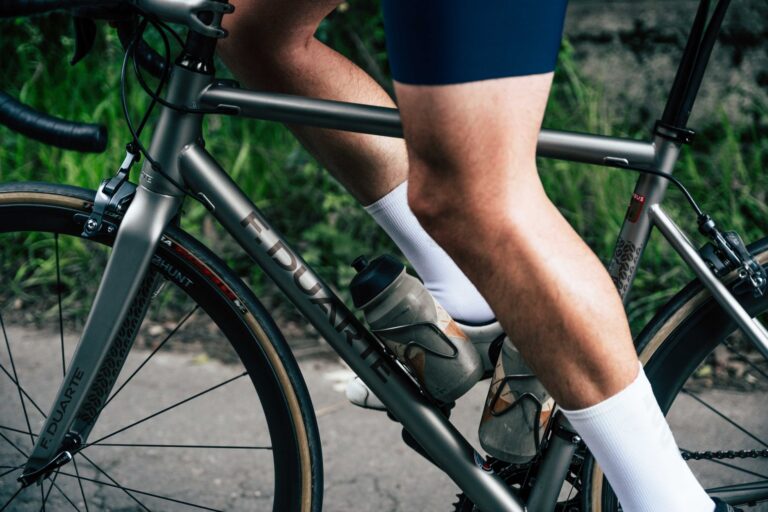
Road bike cadence training has become one of the most discussed topics among cyclists seeking to improve their performance, efficiency, and overall riding experience. Cadence””the number of pedal revolutions per minute (RPM)””directly influences how your body produces power, manages fatigue, and responds to varying terrain. Whether you are a recreational rider logging weekend miles or a competitive cyclist preparing for race season, understanding and optimizing your pedaling speed can transform your time on the bike. The question of ideal cadence has sparked decades of debate among coaches, sports scientists, and professional cyclists.
Some riders naturally gravitate toward grinding big gears at low RPMs, while others spin rapidly in easier gears. Neither approach is inherently wrong, but research and practical experience suggest that most cyclists benefit from training across a range of cadences and developing the ability to maintain efficient pedaling at higher RPMs. Finding your optimal cadence involves understanding your physiology, your goals, and the specific demands of the riding you do most often. By the end of this article, you will understand what cadence means in the context of cycling performance, why it matters for both power output and injury prevention, and how to systematically train your pedaling efficiency. You will learn specific drills, understand the science behind cadence selection, and gain practical strategies for finding the RPM range that works best for your body and riding style.
Table of Contents
- What Is Optimal Pedaling Cadence for Road Cycling?
- The Science Behind Cadence and Cycling Efficiency
- How Pedaling Speed Affects Power Output and Endurance
- Road Bike Cadence Drills for Improving Pedaling Technique
- Common Cadence Training Mistakes and How to Avoid Them
- Using Cadence Sensors and Cycling Computers for Training
- How to Prepare
- How to Apply This
- Expert Tips
- Conclusion
- Frequently Asked Questions
What Is Optimal Pedaling Cadence for Road Cycling?
Optimal pedaling cadence refers to the RPM range at which a cyclist can produce sustainable power most efficiently while minimizing fatigue and injury risk. For most trained road cyclists, this range falls between 80 and 100 RPM, though individual variation is significant. professional cyclists often maintain cadences of 90 to 110 RPM during races, while recreational riders frequently pedal at 60 to 80 RPM without structured training intervention.
The concept of an “optimal” cadence is somewhat misleading because the ideal RPM depends heavily on context. Climbing steep gradients often demands lower cadences due to gravity and gearing limitations, while flat time trials might favor higher spinning rates. Sprint efforts typically see cadences spike above 120 RPM briefly. The goal of cadence training is not to lock into a single number but to expand your comfortable range and improve efficiency across various RPMs.
- **Metabolic efficiency** peaks at different cadences for different individuals based on muscle fiber composition and training history
- **Muscular fatigue** increases at very low cadences because each pedal stroke requires greater force production
- **Cardiovascular demand** rises at higher cadences as the heart and lungs work harder to support rapid leg turnover
- **Power sustainability** over long durations often improves when cyclists train to pedal at moderate-to-high RPMs

The Science Behind Cadence and Cycling Efficiency
Research into cycling cadence efficiency has produced nuanced findings that challenge simple prescriptions. Studies from the University of Wyoming and other institutions found that metabolically optimal cadence””the RPM producing the lowest oxygen consumption for a given power output””tends to be lower than what most trained cyclists naturally choose, often around 60 to 70 RPM. However, this laboratory finding does not account for real-world factors like fatigue accumulation, muscle glycogen depletion, and the need to respond to race dynamics.
The discrepancy between metabolically optimal and self-selected cadence relates to force distribution and muscle recruitment patterns. At lower cadences, each pedal stroke requires substantially more force, placing greater stress on the quadriceps, hamstrings, and gluteal muscles. This force demand accelerates localized muscle fatigue even when overall oxygen consumption remains lower. Trained cyclists intuitively select higher cadences to distribute workload more evenly over time, preserving muscular endurance for critical moments like climbs or attacks.
- **Fast-twitch muscle fibers** fatigue more rapidly under high-force, low-cadence conditions
- **Slow-twitch fibers** handle sustained moderate efforts better, favoring higher cadences
- **Neuromuscular coordination** improves with cadence-specific training, making higher RPMs feel more natural
- **Blood lactate accumulation** tends to be lower at self-selected cadences compared to forced low-RPM pedaling
How Pedaling Speed Affects Power Output and Endurance
The relationship between pedaling speed and power output follows predictable patterns that every serious cyclist should understand. Power equals torque multiplied by angular velocity, meaning you can produce the same wattage by pushing hard at low RPM or spinning quickly with less force per stroke. This trade-off has profound implications for endurance performance and recovery between hard efforts. High-torque, low-cadence riding places enormous stress on connective tissues, including tendons and ligaments in the knee and hip.
Cyclists who habitually grind gears often report higher rates of knee pain and overuse injuries compared to those who spin at moderate cadences. The repetitive high-force loading damages tissue faster than the body can repair it, particularly during high-volume training blocks. From an endurance perspective, higher cadences shift the metabolic burden from local muscular systems toward the cardiovascular system. Your heart and lungs can sustain elevated work rates longer than individual muscle groups can maintain high-force contractions. This explains why professional cyclists in grand tours typically maintain cadences of 90 RPM or above during long stages””they are preserving leg strength for decisive moments while relying on cardiovascular capacity for baseline effort.
- **Knee joint forces** decrease approximately 14 percent when cadence increases from 60 to 90 RPM at constant power
- **Glycogen depletion rates** in working muscles are lower at higher cadences
- **Perceived exertion** often decreases when riders increase cadence after proper training adaptation

Road Bike Cadence Drills for Improving Pedaling Technique
Structured cadence drills form the foundation of effective pedaling speed development. These exercises target neuromuscular coordination, cardiovascular adaptation, and the smooth pedal stroke mechanics that distinguish efficient cyclists from inefficient ones. Incorporating dedicated drill sessions into your weekly training accelerates adaptation compared to simply riding without attention to RPM. Single-leg drills represent one of the most valuable exercises for pedaling technique improvement. By unclipping one foot and pedaling with only one leg for intervals of 30 to 60 seconds, you expose weaknesses in your pedal stroke that the other leg typically compensates for.
Most cyclists discover a “dead spot” at the top or bottom of the stroke where power application becomes choppy. Repeated single-leg work smooths these transitions. Spin-up intervals train your ability to maintain efficient form at very high cadences. Starting at your normal cruising RPM, gradually increase cadence every 30 seconds until you reach 110, 120, or even 130 RPM while staying seated. The goal is to spin as fast as possible before your hips begin bouncing in the saddle””a sign that coordination has broken down. Regular spin-up work progressively raises this ceiling.
- **Low-cadence force intervals** (50-60 RPM on moderate grades) build muscular strength applicable to climbing
- **High-cadence spin-ups** improve neuromuscular efficiency and raise your comfortable RPM ceiling
- **Cadence pyramid sets** alternate between low, moderate, and high RPMs within a single interval
- **Sustained tempo at target cadence** ingrains efficient pedaling patterns during race-intensity efforts
Common Cadence Training Mistakes and How to Avoid Them
Many cyclists approach cadence training with enthusiasm but make errors that limit progress or create new problems. The most common mistake is attempting to change cadence too dramatically too quickly. A rider accustomed to grinding at 70 RPM who suddenly tries to maintain 95 RPM will experience cardiovascular strain, coordination breakdown, and rapid fatigue. Adaptation requires gradual progression over weeks and months. Another frequent error involves neglecting gearing changes when cadence focus shifts. Cadence training should occur at appropriate power outputs for your fitness level””typically moderate endurance or tempo intensity.
Simply spinning faster in an easier gear without maintaining meaningful resistance produces limited training stimulus. Conversely, attempting high-cadence work in gears that are too difficult leads to sloppy technique and potential injury. Some cyclists become overly fixated on hitting specific cadence numbers at all times, losing the natural variability that effective cycling requires. Terrain, wind, fatigue, and tactical situations all demand cadence flexibility. The goal of training is to expand your efficient range, not to eliminate variation. A well-trained cyclist might hold 92 RPM on flats, drop to 75 RPM on steep climbs, and spike to 115 RPM during accelerations””all within a single ride.
- **Rushing adaptation** leads to cardiovascular overload and coordination problems
- **Ignoring power output** during cadence drills reduces training effectiveness
- **Obsessing over exact numbers** prevents natural, responsive riding
- **Skipping recovery** between high-cadence sessions delays neuromuscular adaptation

Using Cadence Sensors and Cycling Computers for Training
Modern cycling technology makes cadence training more accessible and effective than ever before. Dedicated cadence sensors attach to the crank arm or shoe and transmit real-time RPM data to cycling computers or smartphone applications. This immediate feedback allows precise targeting of training zones and objective measurement of progress over time. When selecting a cadence sensor, consider battery life, reliability, and compatibility with your existing devices.
Magnet-based sensors require alignment and can occasionally produce erratic readings, while accelerometer-based units measure pedal motion directly and tend to be more consistent. Many power meters include integrated cadence measurement, eliminating the need for a separate sensor. Whatever system you choose, consistent data collection enables meaningful analysis of your pedaling patterns across different rides and conditions. Training software platforms like TrainingPeaks, Strava, and Garmin Connect allow post-ride analysis of cadence distribution, showing what percentage of time you spent in various RPM ranges. This information reveals habits you might not notice while riding and guides adjustment of training focus.
How to Prepare
- **Install a reliable cadence sensor** and verify accurate readings by counting pedal strokes manually for 30 seconds, then comparing to displayed RPM. Calibrate or replace sensors that show significant deviation from actual rotation counts.
- **Perform a baseline assessment ride** at comfortable endurance pace, noting your naturally selected cadence on flat terrain, moderate climbs, and descents. Record these numbers along with power output and heart rate for future comparison.
- **Review your bike fit** with particular attention to saddle height and fore-aft position. Incorrect fit limits your ability to pedal efficiently at higher cadences and increases injury risk during intensive cadence work.
- **Plan a four-to-eight-week training block** with progressive cadence-focused sessions integrated into your existing schedule. Start with one dedicated cadence workout per week and increase volume as adaptation allows.
- **Set specific, measurable goals** for cadence improvement””for example, raising your comfortable cruising RPM from 82 to 90 by the end of the training block, or eliminating hip bounce at 110 RPM during spin-up drills.
How to Apply This
- **Begin each ride with five minutes of gradually increasing cadence** from 70 RPM to 95 RPM as part of your warmup, establishing the neuromuscular patterns you will use throughout the session.
- **Incorporate one interval session per week** specifically targeting cadence goals, whether high-RPM spin-ups, low-cadence force work, or sustained efforts at your target cruising RPM.
- **Monitor cadence during all rides** and make conscious adjustments when you notice yourself drifting significantly below target ranges without terrain or tactical justification.
- **Review weekly cadence data** using your training software, tracking gradual shifts in your RPM distribution and noting improvements in heart rate or power output at previously uncomfortable cadences.
Expert Tips
- **Practice high-cadence pedaling on a stationary trainer first**, where stability removes the distraction of balancing and steering, allowing full concentration on smooth, circular pedal strokes.
- **Use music or a metronome app** set to your target cadence during indoor training sessions; auditory cues help maintain consistent RPM without constantly watching your computer.
- **Focus on pulling through the bottom of the pedal stroke** rather than only pushing down; this engagement of hamstrings and hip flexors smooths power delivery and becomes essential at higher cadences.
- **Reduce cadence targets by 5-10 RPM when climbing** steep gradients above 7 percent; gearing limitations and gravity make high-cadence climbing impractical on most road bikes.
- **Test different cadences during training races or group rides** to discover what works under fatigue and pressure, as laboratory efficiency may not match real-world performance.
Conclusion
Road bike cadence training represents a powerful and often underutilized tool for improving cycling performance, comfort, and longevity in the sport. By understanding the science behind pedaling speed, systematically training across a range of RPMs, and using technology to measure progress, cyclists at every level can develop more efficient, sustainable, and adaptable riding styles. The investment in cadence work pays dividends through faster speeds at lower perceived effort, reduced injury risk, and the ability to respond effectively to whatever challenges a ride presents.
The path to optimal cadence is individual and evolving. What works at your current fitness level will change as you grow stronger and develop better neuromuscular coordination. Approach cadence training with patience, consistency, and willingness to experiment. Track your data, listen to your body, and trust that gradual improvement in pedaling efficiency compounds into significant gains over months and years of riding.
Frequently Asked Questions
How long does it typically take to see results?
Results vary depending on individual circumstances, but most people begin to see meaningful progress within 4-8 weeks of consistent effort. Patience and persistence are key factors in achieving lasting outcomes.
Is this approach suitable for beginners?
Yes, this approach works well for beginners when implemented gradually. Starting with the fundamentals and building up over time leads to better long-term results than trying to do everything at once.
What are the most common mistakes to avoid?
The most common mistakes include rushing the process, skipping foundational steps, and failing to track progress. Taking a methodical approach and learning from both successes and setbacks leads to better outcomes.
How can I measure my progress effectively?
Set specific, measurable goals at the outset and track relevant metrics regularly. Keep a journal or log to document your journey, and periodically review your progress against your initial objectives.
When should I seek professional help?
Consider consulting a professional if you encounter persistent challenges, need specialized expertise, or want to accelerate your progress. Professional guidance can provide valuable insights and help you avoid costly mistakes.
What resources do you recommend for further learning?
Look for reputable sources in the field, including industry publications, expert blogs, and educational courses. Joining communities of practitioners can also provide valuable peer support and knowledge sharing.