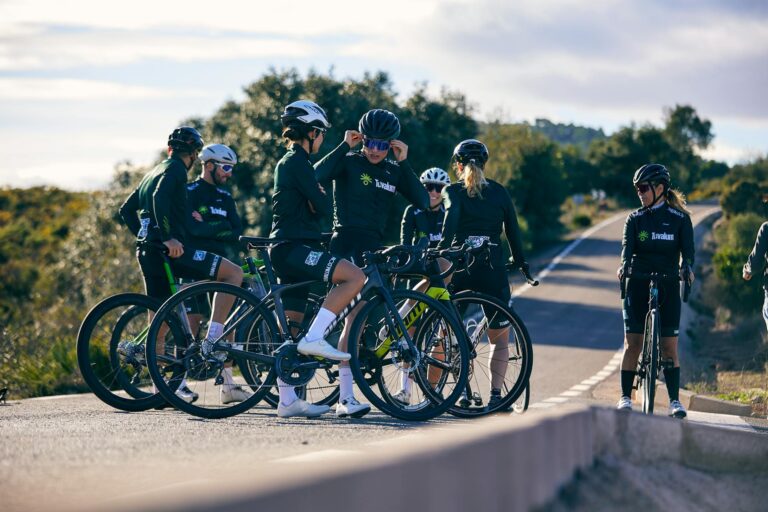
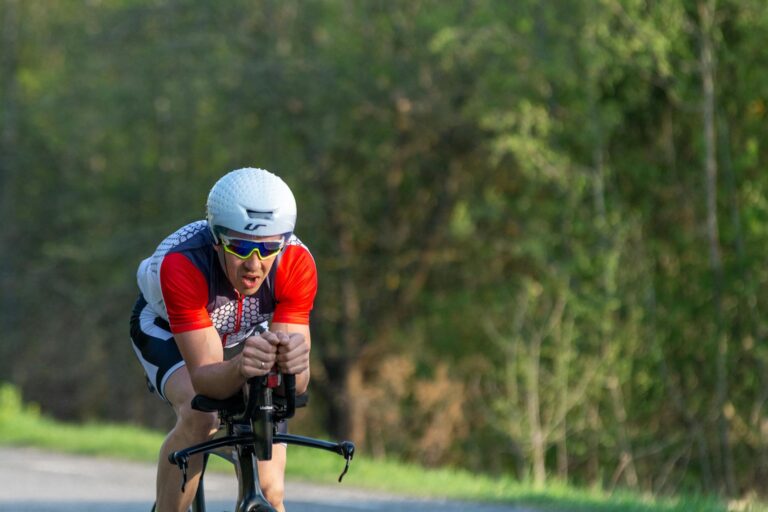
Scenic bike routes in Europe offer some of the most breathtaking cycling experiences available anywhere on the planet, combining world-class infrastructure with landscapes that range from Alpine peaks to Mediterranean coastlines. The continent has invested heavily in cycling tourism over the past three decades, creating a network of long-distance routes that traverse multiple countries and showcase Europe’s remarkable geographic and cultural diversity. Whether following ancient rivers through vineyard-covered valleys or climbing legendary mountain passes made famous by professional racing, cyclists find themselves immersed in living history while enjoying purpose-built paths designed for two-wheeled exploration. Understanding which routes deliver the most rewarding experiences addresses a fundamental challenge facing touring cyclists: the overwhelming number of options available. Europe contains over 90,000 kilometers of designated EuroVelo routes alone, plus countless regional and national cycling paths.
Many cyclists spend months researching possibilities only to discover too late that their chosen route involved excessive traffic, poor surface conditions, or underwhelming scenery. This guide cuts through the noise to identify routes that consistently earn praise from experienced cycle tourists, routes that justify the investment of time and resources required for extended European cycling adventures. By the end of this article, readers will have detailed knowledge of specific routes across Western, Central, and Southern Europe, along with practical information about difficulty levels, best seasons for riding, and logistics. The focus remains on routes accessible to reasonably fit recreational cyclists rather than extreme mountaineering challenges, though several options include significant climbing for those seeking it. Each route description includes context about what makes it special, the types of terrain and scenery involved, and honest assessments of both highlights and potential drawbacks.
Table of Contents
- What Makes a Bike Route in Europe Truly Scenic and Worth Cycling?
- The Most Celebrated Long-Distance Cycling Routes Across Western Europe
- Alpine and Mountain Cycling Routes for Experienced European Cyclists
- Planning Your European Cycling Adventure: Routes, Seasons, and Logistics
- Common Challenges on European Cycling Routes and How Experienced Cyclists Overcome Them
- Emerging Scenic Cycling Routes Gaining Recognition Across Europe
- How to Prepare
- How to Apply This
- Expert Tips
- Conclusion
- Frequently Asked Questions
What Makes a Bike Route in Europe Truly Scenic and Worth Cycling?
The question of what elevates certain European cycling routes above others involves several interconnected factors that experienced touring cyclists have identified over decades of collective exploration. Surface quality ranks among the most critical considerations, as even spectacular scenery loses its appeal when cyclists must navigate potholed roads, loose gravel, or dangerous traffic conditions. The best scenic routes in Europe combine dedicated cycling infrastructure with landscapes that reward the slower pace of bicycle travel, allowing riders to absorb details invisible to motorists rushing past in enclosed vehicles. Cultural immersion distinguishes European cycling from touring on other continents. Routes passing through historic villages, alongside medieval castles, or through regions famous for food and wine production offer daily opportunities for meaningful encounters with local traditions.
The Danube Cycle Path exemplifies this principle, connecting Germanic, Austrian, Slovakian, and Hungarian cultures along a corridor that shaped European history for millennia. Cyclists stopping in small towns experience authentic local life in ways that organized bus tours simply cannot replicate, from morning pastries at family bakeries to evening conversations with curious residents wondering about the loaded bicycles parked outside. Scenic value itself encompasses more than postcard-perfect vistas, though Europe certainly provides those in abundance. The most memorable cycling routes offer variety within their landscapes, alternating between intimate forest sections and panoramic viewpoints, between quiet agricultural zones and vibrant urban environments. Monotony represents the enemy of enjoyable touring, and the finest European routes understand this intuitively. The Via Claudia Augusta, tracing a Roman road from the Danube to the Adriatic, transitions through Alpine passes, Italian vineyards, and Venetian plain farmland, ensuring that each day brings genuinely different experiences than the day before.
The Most Celebrated Long-Distance Cycling Routes Across Western Europe
Western Europe contains several routes that have achieved near-legendary status among the international cycling community, developed over decades to offer reliable infrastructure and consistently stunning scenery. The Loire Valley route in France stretches approximately 800 kilometers from the Atlantic coast inland through the heart of French chateau country, following the last wild river in France past Renaissance castles that once housed kings and queens. Surface conditions range from excellent to outstanding, with most sections following dedicated bike paths entirely separated from motor traffic. The relatively flat terrain makes this route accessible to cyclists of varying fitness levels, though its length demands reasonable endurance for those attempting the complete journey. Germany’s Romantic Road cycling route offers a different character entirely, connecting medieval walled towns across Bavaria through rolling countryside that feels unchanged since the Brothers Grimm collected folk tales in similar landscapes.
Beginning in Wurzburg and ending at Neuschwanstein Castle near the Austrian border, the route covers roughly 460 kilometers through wine regions, farmland, and the foothills of the Alps. Infrastructure quality reflects Germany’s systematic approach to cycling tourism, with clear signage, regular rest facilities, and accommodation options ranging from budget hostels to historic inns. The route gains elevation gradually as it approaches the Alps, culminating in genuinely spectacular mountain scenery during the final stages. The Netherlands’ extensive cycling network deserves mention despite lacking dramatic elevation changes, as the country demonstrates what comprehensive cycling infrastructure can achieve. Routes connecting Amsterdam to historic cities like Bruges, Utrecht, and beyond showcase masterfully engineered paths, consistent signage, and a cycling culture so deeply embedded that tourists feel genuinely welcome rather than merely tolerated.
- The Loire Valley averages 3,000 to 4,000 cyclists daily during peak summer months, making it one of Europe’s most popular touring routes
- Romantic Road cycling typically requires 8 to 12 days for comfortable completion, depending on daily distances and sightseeing stops
- Both routes feature extensive networks of bike-friendly accommodation certified under national quality standards
- Traffic separation exceeds 85 percent on the Loire Valley route, compared to approximately 70 percent on the Romantic Road
Alpine and Mountain Cycling Routes for Experienced European Cyclists
Mountain cycling in Europe presents challenges and rewards that flat-terrain touring cannot match, demanding greater fitness while delivering scenery of almost overwhelming grandeur. The Route des Grandes Alpes in France represents perhaps the ultimate European mountain cycling challenge accessible to amateur riders, crossing 17 major Alpine passes over approximately 700 kilometers between Lake Geneva and the Mediterranean. Professional cyclists consider some of these climbs among the most difficult in competitive racing, yet recreational cyclists with proper preparation successfully complete the route each summer. The key lies in realistic daily planning, with most touring cyclists averaging 60 to 80 kilometers daily rather than attempting distances appropriate for flat terrain. Switzerland offers several iconic routes that justify the country’s reputation for cycling despite (or perhaps because of) formidable climbing requirements. The Swiss National Route 1 traverses the country from east to west, incorporating both valley cycling and significant mountain passes while showcasing Alpine landscapes at their most dramatic.
Signage and infrastructure meet the standards expected from Swiss engineering, though accommodation costs significantly exceed those in neighboring countries. Many cyclists combine Swiss mountain routes with descents into Northern Italy, where excellent roads continue through the Italian Alps before eventually reaching gentler terrain. The Dolomites in northeastern Italy present another compelling option for mountain cycling enthusiasts, featuring distinctive pale limestone peaks that create landscapes unlike anything else in the Alps. Several organized routes exist, including circuits connecting the famous Sella Ronda passes accessible to cyclists with solid climbing ability. Surface quality on Italian Alpine roads varies more than in Switzerland or Austria, with some sections showing weather damage that requires careful attention. The rewards justify the effort, however, as the Dolomites’ unique geology creates visual drama that photographers and cyclists alike find irresistible.
- Col du Galibier elevation: 2,642 meters, frequently included in Tour de France routes
- Stelvio Pass: 48 hairpin turns on the northern approach, one of the highest paved roads in the Alps at 2,757 meters
- Average gradient on major Alpine passes ranges from 6 to 9 percent, with some sections exceeding 12 percent
Planning Your European Cycling Adventure: Routes, Seasons, and Logistics
Practical planning determines whether a European cycling trip becomes a treasured memory or a frustrating ordeal, and understanding seasonal variations ranks among the most important factors. The optimal window for most European cycling falls between May and September, though specific routes have different peak periods. Alpine routes generally remain impassable until mid-June due to snow at higher elevations, while Mediterranean routes become uncomfortably hot during July and August. Shoulder seasons of May to June and September offer fewer crowds and moderate temperatures across most of the continent, though accommodation availability may be reduced in smaller towns. Transportation logistics require attention, particularly regarding bicycle transport on trains and flights. European rail systems vary dramatically in their cycling friendliness, with Germany, Austria, and the Netherlands offering extensive bike carriage services while French TGV trains impose significant restrictions.
Many experienced European cycle tourists build routes around rail connections, using trains to skip uninspiring sections or return to starting points after one-way journeys. Budget airlines’ bicycle policies demand careful research, as fees and packing requirements differ substantially between carriers. Some cyclists ship bikes separately using specialized services, though this adds complexity and cost. Accommodation along established cycling routes ranges from dedicated cycling hotels that provide secure storage, maintenance tools, and packed lunches to wild camping permitted in Scandinavian countries under right-to-roam legislation. The middle ground for most touring cyclists involves a combination of budget hotels, guesthouses, and the occasional campground, typically booked one to two days in advance during peak season. Routes like the Danube Cycle Path offer sufficient accommodation density that spontaneous touring remains possible, while more remote routes through Scandinavia or rural Spain require advance reservations, particularly during summer months.
- Average daily budget for mid-range European cycle touring: 80 to 150 euros depending on country
- Bicycle train reservations should be made minimum 48 hours in advance during peak season
- Travel insurance with specific cycling coverage costs approximately 3 to 5 percent of total trip value
Common Challenges on European Cycling Routes and How Experienced Cyclists Overcome Them
Navigation presents the first significant challenge facing cyclists on European routes, despite improvements in digital mapping technology. While major routes like EuroVelo corridors feature standardized signage, local variations in sign placement and condition create confusion, particularly at complex intersections. Experienced cyclists typically use GPS devices loaded with route-specific tracks downloaded from established cycling databases, treating physical signage as confirmation rather than primary guidance. Paper maps remain valuable as backup, particularly in areas where phone signals prove unreliable or battery life becomes critical. Physical preparation deserves more attention than many first-time European touring cyclists provide, particularly for routes involving significant climbing.
Building adequate fitness requires months of consistent training rather than weeks, with specific focus on sustained efforts mimicking touring conditions. Cyclists accustomed to short recreational rides often underestimate the cumulative fatigue of consecutive days covering 80 to 100 kilometers each. Experienced tourers recommend completing at least one multi-day ride under loaded conditions before departing for Europe, identifying equipment issues and fitness gaps while solutions remain convenient. Mechanical problems inevitably occur during extended touring, and preparation makes the difference between minor inconveniences and trip-ending disasters. Carrying appropriate spare parts depends on bicycle complexity, with simple touring bikes requiring minimal spares while internal-gear hubs or hydraulic brakes demand specialized components rarely available in small European towns. Learning basic maintenance skills before departure prevents expensive shop visits for simple adjustments, while identifying bike shops along routes provides insurance against problems exceeding field-repair capabilities.
- Most common mechanical issue on European tours: punctures, averaging one per 1,500 to 2,000 kilometers on paved routes
- Second most common: spoke breakage on heavily loaded touring bikes
- Average wait time for bike shop service during peak season: 2 to 5 days without appointment
Emerging Scenic Cycling Routes Gaining Recognition Across Europe
Beyond established classics, several European cycling routes have gained significant attention in recent years as infrastructure investment extends into previously overlooked regions. Portugal’s Atlantic coast route has transformed from a local secret into an internationally recognized cycling destination, offering dramatic ocean scenery, excellent seafood, and substantially lower costs than Western European alternatives. The EuroVelo 1 corridor through Portugal features improving infrastructure, though some sections still require riding on roads shared with motor traffic.
Eastern Europe increasingly attracts cycling tourists seeking authentic experiences away from crowded Western European routes. The Greenways network connecting Prague to Vienna through Czech Republic and Austrian countryside offers understated beauty and genuine cultural immersion at fraction of costs further west. Poland’s Baltic coast cycling infrastructure has developed rapidly, providing access to beaches, historic Hanseatic towns, and landscapes bearing little resemblance to tourist stereotypes. These emerging routes reward cyclists willing to accept occasional rough sections or limited signage in exchange for encounters with regions still discovering their potential as cycling destinations.
How to Prepare
- Begin building cycling fitness at least four months before departure by gradually increasing weekly distance and incorporating rides with elevation gain similar to your target route. Focus on building endurance through longer weekend rides rather than intensity, as touring rewards sustained moderate effort over sprint capability. Include at least three rides exceeding 100 kilometers during preparation to verify that nutrition and hydration strategies work under realistic conditions.
- Evaluate bicycle suitability for touring by considering tire clearance for wider touring tires, mounting points for racks and fenders, and overall durability for loaded riding. Many road bikes designed for unloaded performance prove unsuitable for touring with panniers, while dedicated touring frames accommodate the demands of loaded travel. Schedule professional mechanical service approximately six weeks before departure, allowing time to address any issues discovered during final preparation rides.
- Research specific route requirements including visa regulations, cycling-specific insurance, and any permits required for protected areas along your chosen path. European Union citizens enjoy simplified travel, while others must verify entry requirements for each country on multi-nation routes. Download GPS tracks from reliable sources like Komoot, RideWithGPS, or official EuroVelo databases, verifying that tracks match current route alignments rather than outdated paths.
- Develop a realistic daily schedule based on typical touring speeds of 15 to 20 kilometers per hour including breaks, rather than fitness-ride averages that prove unsustainable over consecutive days. Build in rest days approximately every five to seven riding days, particularly on routes involving significant climbing. Identify accommodation concentrations along your route to understand where flexibility exists versus segments requiring advance booking.
- Create equipment lists verified through test rides under loaded conditions, packing only items that prove genuinely useful rather than theoretical necessities. Experienced tourers emphasize that most cyclists carry too much rather than too little, with excessive weight penalizing climbing performance and increasing fatigue accumulation.
How to Apply This
- Select your primary route based on honest assessment of fitness, available time, and interests rather than aspirational goals, recognizing that successful shorter routes generate more satisfaction than failed ambitious attempts. Research variations and alternatives along your chosen route to build flexibility into planning.
- Book international transportation first, as flight and train availability constrain overall scheduling more than other factors. Coordinate bike transport arrangements with carrier requirements, whether packing in approved cases, paying excess fees, or arranging separate shipping.
- Create day-by-day frameworks identifying target destinations while remaining flexible about precise scheduling. Pre-book accommodation only at specific constraint points such as mountain passes with limited options or popular destinations during peak periods, leaving other nights for spontaneous decisions based on actual progress and conditions.
- Establish communication and emergency protocols including insurance provider contacts, embassy locations along route, and designated check-in points with contacts at home. Download offline maps and translation applications before departure to ensure functionality without reliable data connections.
Expert Tips
- Begin each touring day early, ideally departing by 8 AM, to complete significant distance before afternoon heat and thunderstorm risks that affect many European regions during summer months. Early starts also ensure arrival at destinations before accommodation reception desks close.
- Carry a minimal toolkit including multi-tool, tire levers, spare tube, patch kit, and chain quick-links, supplemented by a small bottle of chain lubricant. These items resolve approximately 90 percent of roadside mechanical issues while adding negligible weight.
- Learn basic phrases in local languages along your route, as small villages often lack English speakers and genuine attempts at local communication generate goodwill and assistance. “Do you have a room?” and “Where is the bicycle shop?” prove especially valuable.
- Photograph important documents including passport pages, insurance cards, and bicycle serial numbers, storing copies in cloud services accessible from any device. This preparation simplifies replacement processes if originals become lost or stolen.
- Pack a lightweight rain jacket accessible without dismounting from the bike, as European weather changes rapidly and sheltering under trees during lightning storms creates unacceptable risk. Quality cycling rain gear represents one area where investment genuinely improves touring experiences.
Conclusion
European cycling routes offer experiences that justify their global reputation, combining infrastructure quality, cultural richness, and landscape diversity in ways that other continents rarely match. From the gentle wine country of the Loire Valley to the dramatic Alpine passes that challenge professional racers, the continent provides options for cyclists across the full spectrum of ability and ambition. Understanding which routes deliver on their promises, how to prepare appropriately, and what challenges to anticipate transforms aspiration into achievable adventure.
The investment required for European cycle touring extends beyond financial considerations to include months of physical preparation, hours of logistical research, and willingness to accept occasional discomfort in exchange for extraordinary experiences. Cyclists who approach these routes with realistic expectations and adequate preparation consistently describe their journeys among life’s most memorable experiences. The roads exist, the infrastructure awaits, and the landscapes have inspired travelers for centuries. What remains is simply the decision to begin preparing for your own European cycling adventure.
Frequently Asked Questions
How long does it typically take to see results?
Results vary depending on individual circumstances, but most people begin to see meaningful progress within 4-8 weeks of consistent effort. Patience and persistence are key factors in achieving lasting outcomes.
Is this approach suitable for beginners?
Yes, this approach works well for beginners when implemented gradually. Starting with the fundamentals and building up over time leads to better long-term results than trying to do everything at once.
What are the most common mistakes to avoid?
The most common mistakes include rushing the process, skipping foundational steps, and failing to track progress. Taking a methodical approach and learning from both successes and setbacks leads to better outcomes.
How can I measure my progress effectively?
Set specific, measurable goals at the outset and track relevant metrics regularly. Keep a journal or log to document your journey, and periodically review your progress against your initial objectives.
When should I seek professional help?
Consider consulting a professional if you encounter persistent challenges, need specialized expertise, or want to accelerate your progress. Professional guidance can provide valuable insights and help you avoid costly mistakes.
What resources do you recommend for further learning?
Look for reputable sources in the field, including industry publications, expert blogs, and educational courses. Joining communities of practitioners can also provide valuable peer support and knowledge sharing.