Choosing the right e-bike battery represents one of the most consequential decisions any electric bicycle buyer or owner will make, directly affecting how far you can ride, how long your investment lasts, and ultimately how much value you extract from your purchase. The battery typically accounts for 30 to 40 percent of an e-bike’s total cost, making it the single most expensive component on the entire machine. Yet despite this significance, many riders purchase e-bikes without fully understanding the specifications that determine real-world performance, leading to disappointment when their shiny new ride falls short of expectations. The confusion surrounding e-bike batteries stems from the technical jargon manufacturers use and the gap between advertised claims and actual riding conditions. Terms like watt-hours, amp-hours, and voltage create a fog of numbers that obscures meaningful comparisons.
Meanwhile, range estimates printed on specification sheets often reflect ideal laboratory conditions rather than the hills, headwinds, and cargo loads that define everyday cycling. This disconnect leaves consumers vulnerable to making uninformed choices based on marketing materials rather than genuine performance data. By the end of this article, you will understand exactly what battery specifications mean in practical terms, how to calculate realistic range expectations for your specific riding style, and what factors most significantly impact battery longevity. The information covers everything from basic terminology to advanced maintenance strategies, equipping you with the knowledge to evaluate any e-bike battery on the market. Whether you’re purchasing your first electric bicycle or replacing an aging battery pack, this guide provides the foundation for making a decision you won’t regret.
Table of Contents
- What Determines E-Bike Battery Capacity and Why Does It Matter?
- Understanding E-Bike Range: Realistic Expectations vs. Manufacturer Claims
- E-Bike Battery Lifespan: Factors That Affect Longevity
- How to Choose Battery Capacity Based on Your Riding Needs
- Battery Technologies and Common Issues to Understand
- Integrated vs. External Battery Designs
- How to Prepare
- How to Apply This
- Expert Tips
- Conclusion
- Frequently Asked Questions
What Determines E-Bike Battery Capacity and Why Does It Matter?
Battery capacity refers to the total amount of electrical energy a battery can store, measured in watt-hours (Wh). This single number provides the most useful metric for comparing different batteries because it accounts for both voltage and amp-hours in one figure. A 500Wh battery, for example, can theoretically deliver 500 watts of power for one hour, or 250 watts for two hours. Most e-bike batteries on the market today range from 250Wh for basic commuter models to 1000Wh or more for high-performance mountain bikes and cargo haulers.
Understanding capacity requires grasping the relationship between volts and amp-hours. Voltage (V) represents the electrical pressure pushing current through the system, while amp-hours (Ah) indicate how much current the battery can supply over time. Multiplying these two values yields watt-hours: a 48V battery rated at 14Ah delivers 672Wh of capacity. Higher voltage systems generally provide more responsive acceleration and better hill-climbing performance, which explains why premium e-bikes increasingly use 48V or 52V configurations rather than the older 36V standard.
- Watt-hours (Wh) serve as the universal comparison metric regardless of voltage
- Higher capacity batteries add weight, typically 2.5 to 3 kilograms per 250Wh
- Battery capacity degrades over time, with most units retaining 70-80% capacity after 500-1000 charge cycles
- Premium cells from manufacturers like Samsung, LG, and Panasonic maintain capacity longer than budget alternatives

Understanding E-Bike Range: Realistic Expectations vs. Manufacturer Claims
Manufacturer range estimates deserve skepticism because they typically reflect optimal conditions that rarely exist in real-world riding. These figures usually assume a lightweight rider (around 70kg), flat terrain, minimal wind resistance, moderate temperatures, and heavy use of lower assist levels. When companies advertise 100 kilometers of range, they often neglect to mention this number applies only when using the lowest power setting on smooth pavement with no elevation change. Switch to maximum assist on hilly terrain, and that range might shrink to 35 or 40 kilometers.
Several variables dramatically affect how far your battery will take you. Rider weight matters enormously—a 90kg rider will see roughly 15-20% less range than a 70kg rider using identical equipment and assist levels. Terrain plays an equally significant role, with steep climbs consuming four to six times more energy than flat riding at the same speed. Headwinds create substantial drag, reducing range by 10-25% depending on wind speed. Tire pressure, rolling resistance, and even ambient temperature all influence consumption, with cold weather (below 10°C) potentially reducing capacity by 10-20%.
- Expect 15-25 Wh per kilometer in real-world mixed riding conditions
- Calculate realistic range by dividing battery capacity by 20 for conservative estimates
- A 500Wh battery typically delivers 25-35 km in high-assist mode, 40-60 km in medium, and 60-100+ km in eco mode
- Stop-and-go urban riding consumes more energy than steady-state cruising due to acceleration demands
E-Bike Battery Lifespan: Factors That Affect Longevity
Lithium-ion batteries, the standard chemistry in modern e-bikes, follow predictable degradation patterns determined primarily by charge cycles, storage conditions, and thermal management. A charge cycle counts as using 100% of the battery’s capacity, though this can accumulate across multiple partial charges—draining 50% on two separate rides equals one full cycle. Quality batteries typically maintain 80% of their original capacity through 500-1000 cycles, translating to three to seven years of typical use depending on riding frequency.
Heat represents the greatest enemy of battery longevity. Lithium-ion cells degrade rapidly when temperatures exceed 40°C, whether from ambient conditions, charging, or heavy use. Parking your e-bike in direct summer sunlight or charging immediately after a strenuous ride accelerates chemical breakdown within the cells. Similarly, freezing temperatures don’t permanently damage batteries but temporarily reduce available capacity and can stress cells if discharged too aggressively while cold.
- Store batteries at 40-80% charge for extended periods rather than fully charged or depleted
- Avoid leaving batteries below 20% for extended periods, which can cause cell damage
- Quality battery management systems (BMS) protect against overcharging, deep discharge, and thermal runaway
- Replacement costs typically range from $400 to $1000 depending on capacity and brand
How to Choose Battery Capacity Based on Your Riding Needs
Selecting appropriate capacity begins with honest assessment of your typical riding patterns. Commuters covering 15-25 kilometers daily on relatively flat routes will find 400-500Wh perfectly adequate, providing enough reserve for detours, headwinds, and the gradual capacity loss that occurs over years of use. Weekend recreational riders covering variable distances benefit from similar capacity, with the flexibility to use lower assist levels for extended adventures when desired.
Riders facing demanding terrain or carrying substantial cargo should prioritize larger batteries despite the added weight and cost. Hilly regions can easily double or triple energy consumption compared to flat riding, making 600-750Wh a sensible minimum for anyone regularly climbing significant elevation. Cargo e-bike users hauling children, groceries, or work equipment face similar demands, as the motor works harder to move the additional mass. Some manufacturers offer dual-battery systems for these applications, combining two 500Wh packs for serious range capability.
- Daily commuters: 400-500Wh covers most needs with comfortable margin
- Recreational riders on varied terrain: 500-700Wh provides flexibility
- Mountain biking and hilly regions: 625-750Wh minimum recommended
- Cargo and delivery applications: 700Wh+ or dual battery systems
- Calculate your needs: multiply typical distance by 25Wh, then add 30% buffer
Battery Technologies and Common Issues to Understand
The e-bike industry has standardized around lithium-ion chemistry, but significant variations exist within this category. Lithium Nickel Manganese Cobalt (NMC) cells dominate the premium segment, offering excellent energy density, longevity, and thermal stability. Lithium Iron Phosphate (LFP) batteries sacrifice some energy density for superior cycle life and enhanced safety, making them increasingly popular for cargo and commercial applications where thousands of cycles justify the added weight. Budget e-bikes sometimes use older lithium-ion formulations with shorter lifespans and less sophisticated protection circuits.
Common battery problems typically stem from cell imbalance, connection failures, or BMS malfunctions rather than wholesale cell failure. Cell imbalance occurs when individual cells within a pack age at different rates, reducing effective capacity even when total energy storage remains acceptable. Symptoms include reduced range, inconsistent charge readings, and premature low-battery warnings. Quality chargers include balancing functions that equalize cell voltages during charging, but the process requires full-charge cycles that some riders never complete when using partial charging.
- Avoid no-name battery replacements lacking proper certification and testing
- Look for UN 38.3 certification indicating the battery has passed safety testing
- Swelling, unusual odors, or excessive heat during charging indicate serious problems requiring immediate attention
- Water intrusion remains a leading cause of battery failure—ensure seals and connections stay intact
Integrated vs. External Battery Designs
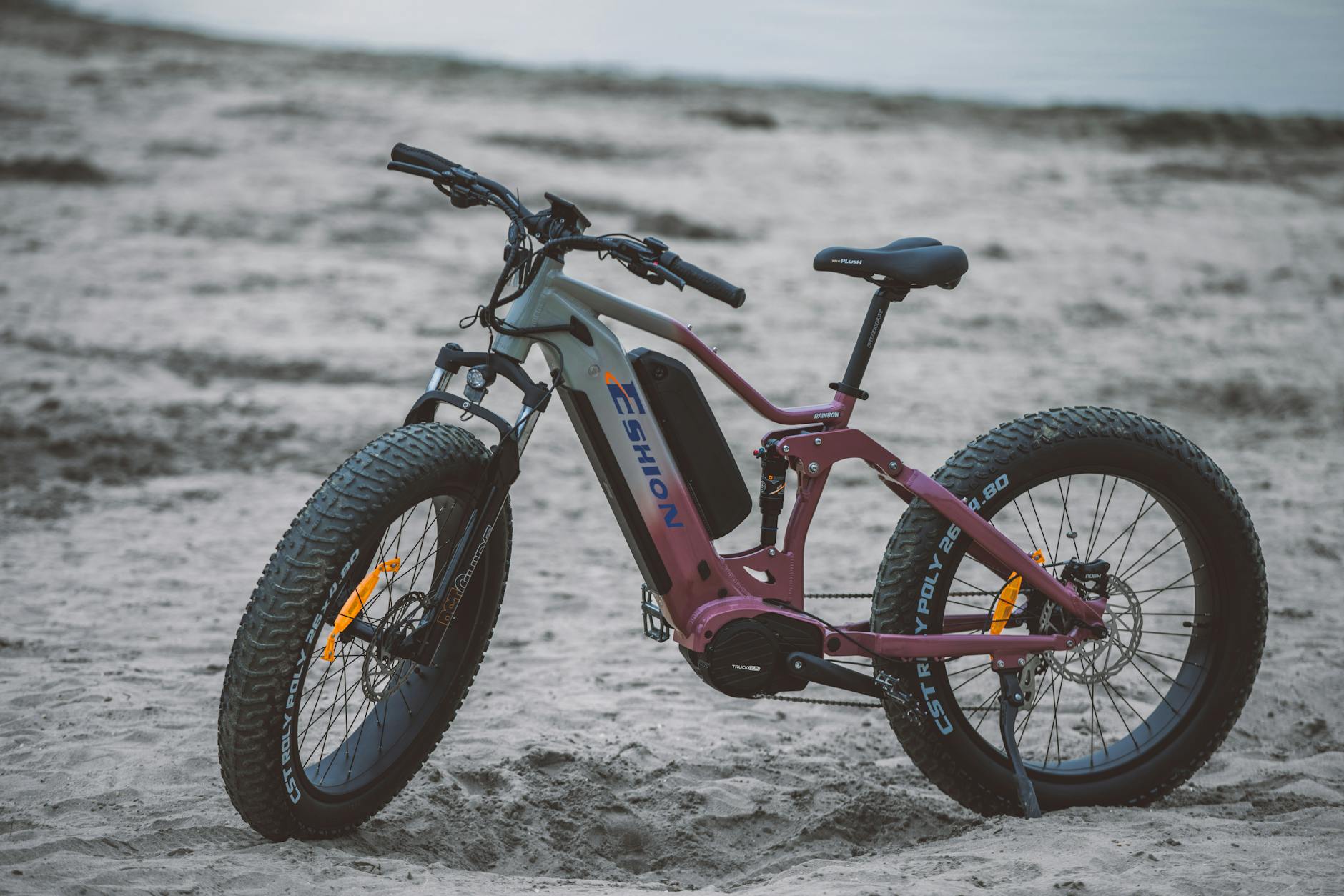
Battery placement and integration significantly affect both aesthetics and practicality. Integrated batteries mounted within the downtube create sleek, bicycle-like profiles and lower the center of gravity for improved handling. These designs typically require more complex removal procedures, sometimes involving keys and specialized mounting systems, but offer better protection from impacts and theft. External rack-mounted or frame-attached batteries prioritize easy swapping and often allow carrying spare packs for extended range.
The choice between integrated and external mounting often comes down to how you plan to charge. Integrated batteries frequently require parking near outlets or removing the battery and carrying it indoors—a meaningful consideration given that e-bike batteries weigh 2.5 to 4 kilograms. External designs generally accommodate easier removal but may compromise weather sealing and create additional points of potential failure. Neither approach is inherently superior; the right choice depends on your storage situation, security concerns, and aesthetic preferences.
How to Prepare
- **Track your typical riding distances** by recording commute lengths, weekend ride distances, and any regular routes for at least two weeks. Include variations like grocery runs, social visits, or fitness rides to capture your full usage pattern rather than just daily commuting.
- **Assess your terrain profile** by noting significant hills along your regular routes. Use mapping applications that display elevation profiles, or simply pay attention to how much climbing your rides involve. A route with 200 meters of climbing per 10 kilometers demands significantly more battery than flat riding.
- **Calculate your total load** including your body weight, any regular cargo, and the bike itself. A 90kg rider carrying 10kg of gear creates very different demands than a 65kg rider with an empty rack. This total mass directly impacts motor effort and battery consumption.
- **Evaluate your charging situation** by determining where and how often you can charge. Apartment dwellers without ground-floor access face different considerations than homeowners with garage outlets. Consider workplace charging availability if planning longer commutes.
- **Research battery availability and cost** for any e-bike models under consideration. Some proprietary battery systems limit replacement options to manufacturer-specific parts at premium prices, while others use standardized formats with broader third-party support.
How to Apply This
- **Match capacity to realistic needs** by multiplying your longest regular ride by 25Wh per kilometer, then adding 40% for terrain variation, aging capacity, and unexpected detours. A 30km maximum ride suggests minimum 1050Wh capacity before buffers, pointing toward 500-600Wh batteries.
- **Prioritize reputable cell manufacturers** when comparing similar-capacity options. Batteries built with Samsung, LG, or Panasonic cells command premiums for good reason—they outlast budget alternatives and maintain capacity through more charge cycles.
- **Test actual range** before purchase if possible by renting or borrowing the model you’re considering. Ride your actual routes with your typical cargo to verify manufacturer claims hold up under your specific conditions.
- **Plan for capacity degradation** by selecting slightly more capacity than minimum requirements. A battery delivering exactly enough range when new will fall short after two or three years of regular cycling.
Expert Tips
- **Partial charging extends lifespan**: Lithium-ion batteries experience less stress when charged to 80-90% rather than 100%. If your charger lacks adjustable limits, simply unplug before reaching full charge for daily use, reserving complete charges for maximum-range days.
- **Temperature management matters more than most realize**: Never charge a battery that’s hot from riding—wait at least 30 minutes for temperatures to normalize. Store batteries indoors during extreme cold or heat, and avoid leaving your e-bike in direct sunlight during summer months.
- **Monthly full cycles help maintain accuracy**: Even if you typically partial-charge, run the battery from full to near-empty once monthly. This allows the battery management system to accurately calibrate remaining capacity readings.
- **Invest in a quality charger**: The charger included with budget e-bikes sometimes lacks proper balancing functions or temperature monitoring. Aftermarket smart chargers with adjustable voltage limits and cell balancing pay for themselves through extended battery life.
- **Document your battery’s performance**: Note initial range capabilities and track changes over time. Sudden capacity drops may indicate cell failure or BMS problems warranting warranty claims, while gradual decline simply reflects normal aging.
Conclusion
Selecting the right e-bike battery requires balancing capacity needs against weight, cost, and practical considerations like charging access and intended lifespan. The optimal choice provides enough range for your regular riding with meaningful reserve for variations, all while fitting your budget and physical requirements. Understanding that manufacturer range claims rarely reflect real-world conditions empowers you to make realistic assessments and avoid the disappointment of insufficient capacity.
Battery technology continues improving, with energy density increasing roughly 5-7% annually while costs decline. Today’s mid-range options deliver performance that exceeded premium specifications just five years ago, and this trend will continue. For most riders, selecting a quality battery from a reputable manufacturer, treating it with reasonable care, and planning for eventual replacement represents the most practical approach. The battery you choose will define your e-bike experience for years to come—invest the time to choose wisely, and your rides will reward that effort through reliable, consistent performance.
Frequently Asked Questions
How long does it typically take to see results?
Results vary depending on individual circumstances, but most people begin to see meaningful progress within 4-8 weeks of consistent effort. Patience and persistence are key factors in achieving lasting outcomes.
Is this approach suitable for beginners?
Yes, this approach works well for beginners when implemented gradually. Starting with the fundamentals and building up over time leads to better long-term results than trying to do everything at once.
What are the most common mistakes to avoid?
The most common mistakes include rushing the process, skipping foundational steps, and failing to track progress. Taking a methodical approach and learning from both successes and setbacks leads to better outcomes.
How can I measure my progress effectively?
Set specific, measurable goals at the outset and track relevant metrics regularly. Keep a journal or log to document your journey, and periodically review your progress against your initial objectives.
When should I seek professional help?
Consider consulting a professional if you encounter persistent challenges, need specialized expertise, or want to accelerate your progress. Professional guidance can provide valuable insights and help you avoid costly mistakes.
What resources do you recommend for further learning?
Look for reputable sources in the field, including industry publications, expert blogs, and educational courses. Joining communities of practitioners can also provide valuable peer support and knowledge sharing.