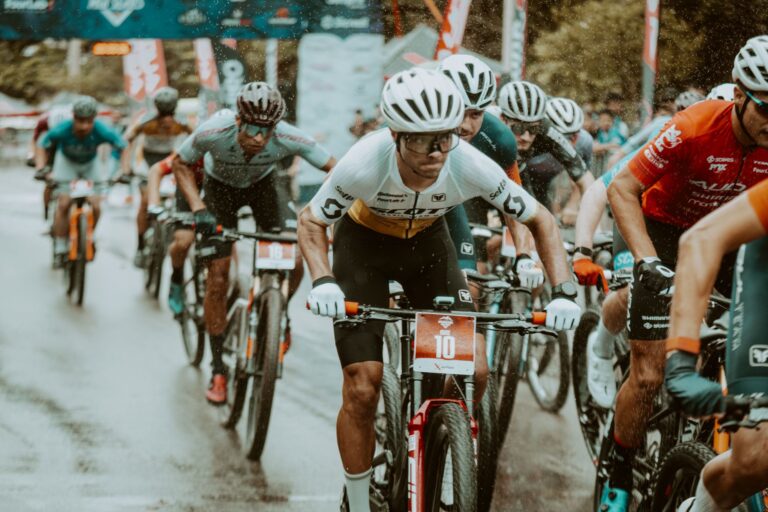
Descending confidence separates nervous riders from those who enjoy downhill trails. Many riders struggle with fear and tension that limits their descending ability. Building confidence requires understanding technique, practicing deliberately, and progressively challenging yourself within manageable limits.
This guide addresses the mental and physical aspects of building descending confidence. With proper approach, intimidating descents become enjoyable features of mountain biking.
Table of Contents
- Understanding Your Fear
- Body Position Fundamentals
- Vision and Looking Ahead
- Brake Control Confidence
- Progressive Practice
- Mental Approach
- Expert Tips
- Frequently Asked Questions
Understanding Your Fear
Fear of descending usually stems from specific concerns. Fear of going over the bars, fear of losing control, fear of crashing, or fear of specific features. Identifying exactly what frightens you helps address that specific issue rather than vague anxiety.
Some fear is healthy. It keeps you from attempting things beyond your ability. The goal is not eliminating fear but managing it appropriately. Excessive fear limits progression while appropriate caution protects you. Finding balance matters.
- Identify specific fears
- Fear of going over bars common
- Fear of losing control
- Some fear is healthy
- Balance caution with progression
Body Position Fundamentals
Correct body position creates control and prevents many feared outcomes. Weight back, heels dropped, knees and elbows bent, eyes forward. This athletic stance centers your weight appropriately for steep terrain and allows your body to absorb impacts.
Stiff, tense body positions transmit every bump directly through you. They also prevent the weight shifts needed for control. Relaxed limbs act as suspension. Practice the position on easier terrain until it becomes automatic before applying it to challenging descents.
- Weight back, heels dropped
- Knees and elbows bent
- Eyes looking ahead
- Relaxed, not stiff
- Practice on easy terrain first
Vision and Looking Ahead
Looking at obstacles often leads to hitting them. Your body follows your eyes. Looking ahead at where you want to go rather than at hazards you want to avoid improves line choice and reduces target fixation.
Scan terrain 10-20 feet ahead while descending. This distance provides time to process information and make decisions. Looking at your front wheel reduces reaction time to nearly zero. Trust peripheral vision to handle immediate terrain while you look ahead.
- Look where you want to go
- Avoid staring at hazards
- Scan 10-20 feet ahead
- Trust peripheral vision
- Body follows eyes
Brake Control Confidence
Confidence in your ability to slow down reduces fear of descending. Practice braking on various surfaces until you understand the limits. Know what it feels like just before the wheels skid. This threshold knowledge lets you brake confidently without locking up.
Trust your front brake. Many nervous descenders avoid the front brake fearing going over the bars. Proper weight position makes effective front braking safe. The front brake provides most of your stopping power. Learn to use it.
- Practice braking limits
- Know the skid threshold
- Trust the front brake
- Weight back enables front braking
- Front brake is primary stopper
Progressive Practice
Confidence builds through repeated success at achievable challenges. Riding descents far beyond your ability does not build confidence; it reinforces fear. Find descents slightly outside your comfort zone and ride them repeatedly until comfortable.
Celebrate small progressions. Each section conquered builds toward tackling larger challenges. The rider confidently flying down black diamonds started on greens. There are no shortcuts to genuine confidence. It comes from accumulated successful experiences.
- Slight challenges, not overwhelming
- Repeat until comfortable
- Then progress incrementally
- Celebrate small victories
- No shortcuts to confidence
Mental Approach
Breathing affects tension. Many nervous descenders hold their breath. Forced exhales release tension and help you relax. Breathe deliberately when approaching challenging sections.
Positive visualization helps. Imagine yourself riding smoothly down the section. Mental rehearsal prepares your body for the movements. Conversely, imagining crashes primes you for failure. Direct your imagination toward success.
- Breathe deliberately
- Exhale to release tension
- Visualize success
- Mental rehearsal helps
- Avoid imagining failure
Expert Tips for Building Confidence
- Follow more confident riders to learn lines
- Session specific sections repeatedly
- Consider skills coaching for feedback
- Accept that progress takes time
- Walk sections that exceed your current ability rather than riding scared
Conclusion
Descending confidence builds through understanding technique, progressive practice, and managing the mental aspects of challenging riding. There are no quick fixes, but genuine confidence is achievable through patient, deliberate practice.
Focus on the fundamentals of body position, vision, and braking. Challenge yourself incrementally. Celebrate progress without rushing. The confidence to enjoy descending is worth the investment in development.
Frequently Asked Questions
Why am I so scared of descending?
Fear is natural and often based on valid concerns about crashing or losing control. Identifying the specific fear helps address it. Common fears include going over the bars, losing traction, and inability to stop. Each has solutions through technique improvement.
How do I stop going over the bars?
Keep weight back by dropping your heels and moving hips behind the saddle. The steeper the terrain, the more rearward weight shift needed. Bend your arms to absorb impacts. Excessive front braking on steep terrain requires more rearward weight.
Should I walk sections I am scared of?
Walking is better than riding terrified. Fear creates tension that makes crashing more likely. Walk sections currently beyond your ability, then work on building skills on similar but easier terrain. Walking is not failure; it is appropriate risk management.
Does bike setup affect descending confidence?
Yes. Proper brake setup ensures reliable stopping. Suspension tuned for your weight handles impacts better. Tire pressure affects grip. However, technique matters more than equipment. Do not blame the bike for skill-based issues.
How long until I get confident descending?
Confidence develops gradually with practice. Expect months to years of progressive improvement rather than sudden transformation. Each session builds on the last. Consistent practice matters more than occasional intense sessions.
Is coaching worth it for descending?
Quality coaching accelerates improvement significantly. Coaches identify technique issues you cannot see yourself. They provide drills and progressions suited to your level. If available and affordable, coaching is valuable for riders struggling with descending.